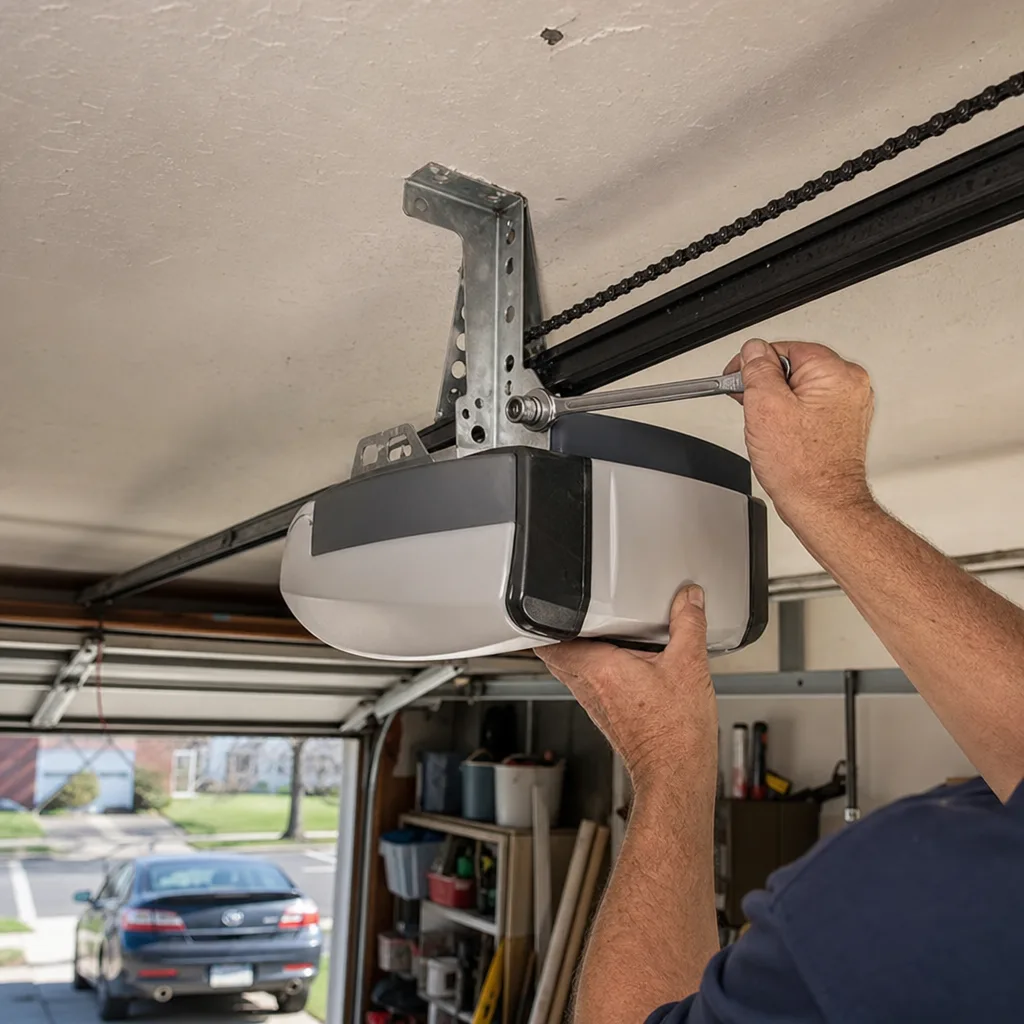
Last updated November 23, 2026
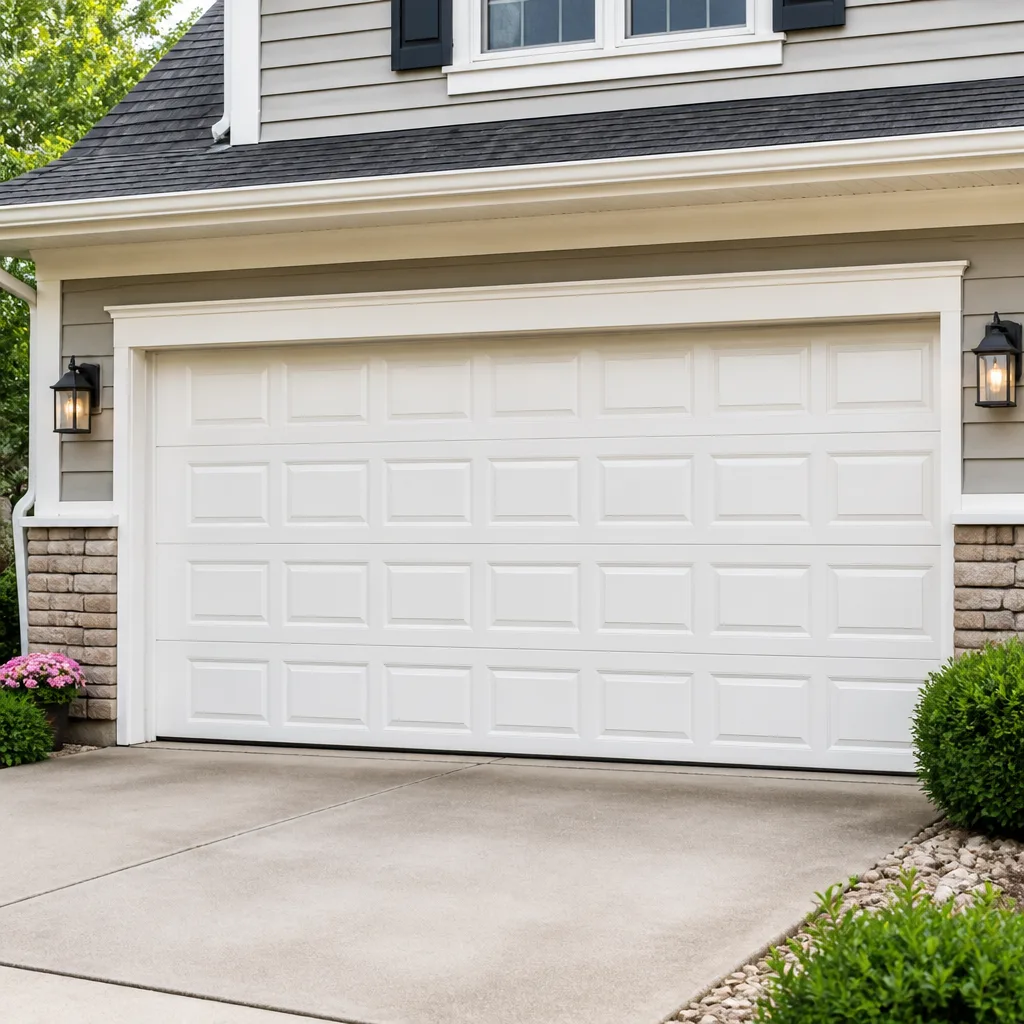 Raised-panel steel
 Carriage house
 Modern flush
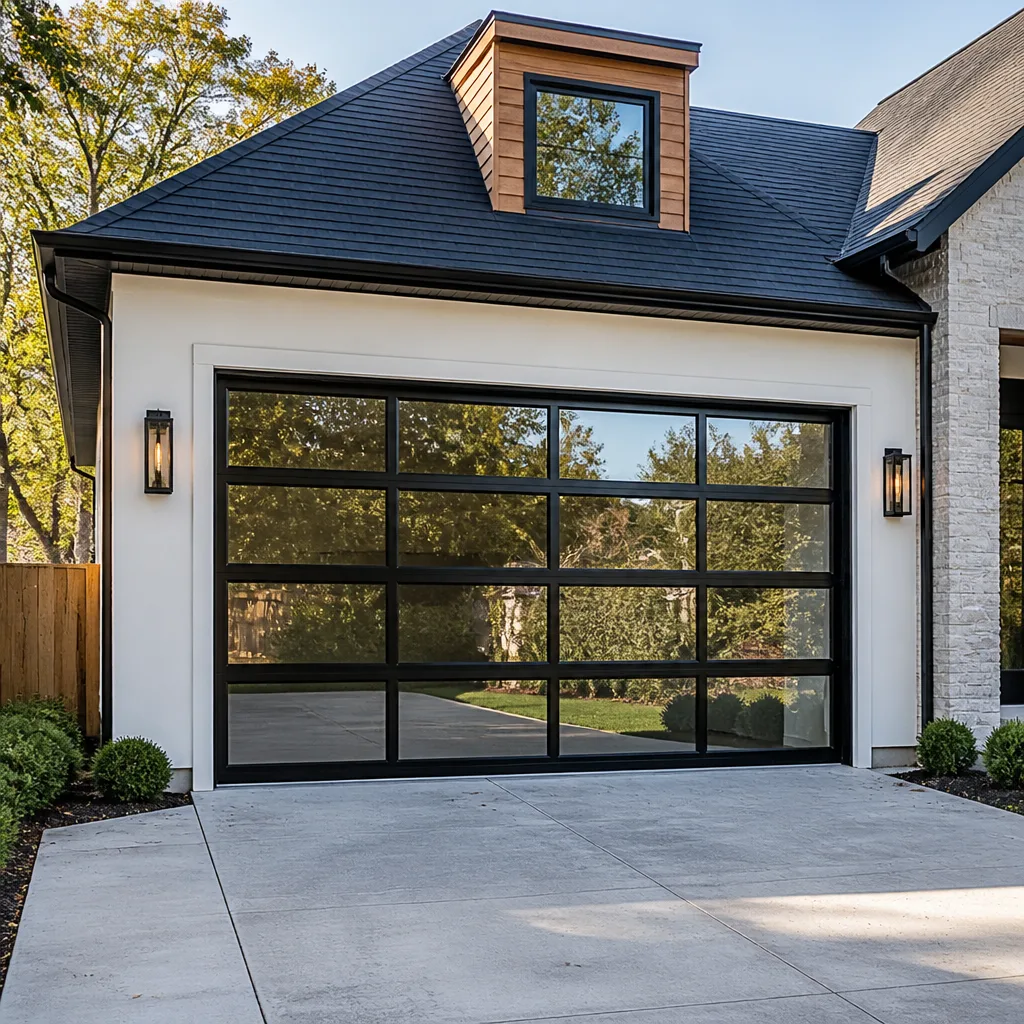 Full-view glass
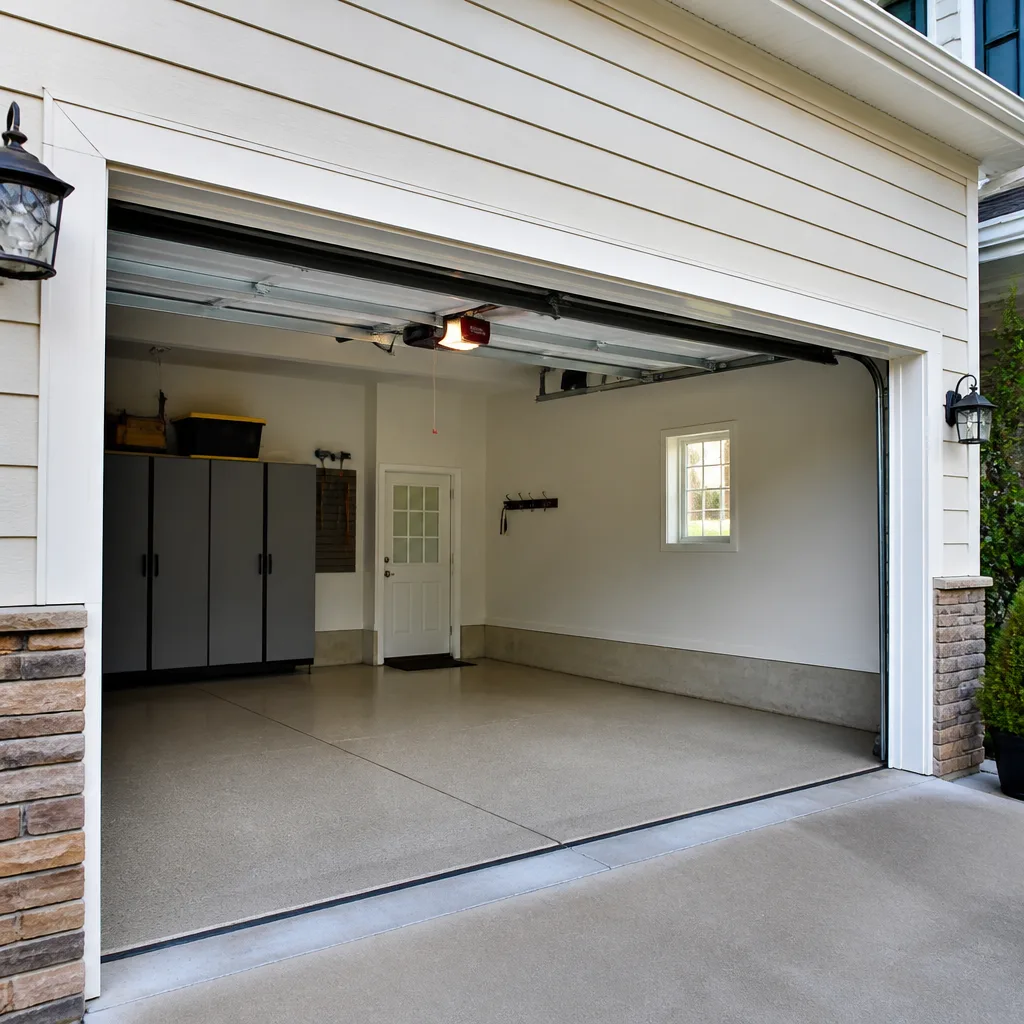 LiftMaster openers
 Chamberlain openers
Full 25-point door and opener safety check with every visit - springs, cables, rollers, tracks, and your LiftMaster or Chamberlain opener included
You get a price before we start. It does not change when the pro arrives.
Get your free estimateGarage Door Repair Maintenance Checklist for Roseville Homeowners
The call we get most often after a hard New Jersey winter isn’t the dramatic one. It’s the door that was one ignored maintenance step away from becoming a problem, and it finally gave out on a morning when somebody needed to get to work. Springs, cables and rollers don’t fail at random; they fail after months of small stresses nobody checked. That’s why we built this checklist around what actually breaks in Roseville, not a generic ten-point list copied from a national site. Read on and you’ll know exactly which five components matter here, how to test them safely, which products help and which quietly wreck your rollers, and what should stay in a technician’s hands.
Quick Answer
A practical garage door maintenance checklist for Roseville covers five high-failure components: springs and cables, rollers and hinges, tracks, the opener and safety sensors, and the weather seal along the bottom. Inspect these monthly during the colder half of the year and once every season for the rest, lubricate moving metal parts with a silicone or lithium spray (never a heavy grease), and leave spring tension, cable replacement and any panel or track straightening to a trained technician because those carry real injury risk.
Styles & brands we work with
- Raised-panel steel
- Carriage house
- Modern flush
- Full-view glass
- LiftMaster openers
- Chamberlain openers
Table of Contents
- The Five Components That Fail Most Often in Roseville
- Lubrication: Which Products Help and Which Destroy Your Rollers
- How to Test Spring Tension Safely Without Tools
- Month-by-Month Task Timing for Roseville’s Seasons
- DIY vs. Licensed Technician: Where the Line Sits in NJ
- Opener and Safety Sensor Maintenance
- The Weather Seal and Why It Matters Here
- Common Mistakes to Avoid
The Five Components That Fail Most Often in Roseville
Roseville’s climate puts a specific kind of wear on garage doors. Freezing winters, damp spring thaws, and humid summers all work the same parts harder than a mild climate would. In our experience, these five are where nearly every repair call starts.
1. Torsion and extension springs
Springs bear the full weight of the door and cycle thousands of times over their life. Cold weather makes the steel less forgiving, and a spring that’s been slowly losing tension will often snap on the first cold morning of the season. Listen for a loud bang from the garage and check whether the door suddenly feels much heavier when you lift it by hand. If it does, stop lifting.
2. Cables and drums
Cables run alongside the springs and wind around the drums at each end of the shaft. Fraying, kinks or a cable that’s jumped its drum are all signs of trouble. A worn cable is under extreme tension and should never be handled by a homeowner. This is one of the most dangerous parts of the whole system.
3. Rollers and hinges
Nylon rollers last longer than steel ones but still wear out. A roller that’s flat-spotted, cracked or grinding is dragging on the track. Hinges loosen and bend over time, especially at the bottom and middle panels where the door takes the most flex. On brands we see regularly in Roseville, like Amarr and Wayne Dalton, the hinge and roller layout is standard, so replacement parts are easy to match when a technician knows the model.
4. Tracks
Tracks collect grit, and a small dent or bend throws the door out of alignment. Look for gaps between the track and the door’s rollers, and listen for a rhythmic thump as the door travels. A bent vertical or horizontal track is a professional fix, not a hammer-it-back job.
5. The opener and safety sensors
Openers on modern systems from LiftMaster, Chamberlain, Genie and Craftsman are reliable, but the sensors at the bottom of the door are the usual culprit behind a door that won’t close. A sensor knocked slightly out of alignment, or one with a dusty lens, will stop the door every time. Wipe the lenses and check that both lights are steady.
Lubrication: Which Products Help and Which Destroy Your Rollers
This is where a lot of well-meaning maintenance goes wrong. Not every lubricant belongs on a garage door, and the wrong one can shorten the life of the parts you’re trying to protect.
Products that help
- Silicone spray lubricant – the safest general choice for hinges, rollers and the torsion shaft. It doesn’t attract grit and won’t degrade nylon rollers.
- Lithium grease (white lithium) – good for the opener’s rail and the metal-to-metal contact points on hinges. Apply sparingly.
- Garage-door-specific spray – products formulated for the trade, often sold under brand names you’ll recognize, are a fine all-round option for hinges and rollers.
Products that hurt
- WD-40 or general-purpose penetrating oil – this is a solvent, not a lubricant. It strips the factory lubricant from nylon rollers and leaves them running dry. Use it to free a stuck bolt, never on the door’s moving parts.
- Heavy grease or engine oil – collects dust and grit in the track, forming a paste that wears rollers faster than no lubrication at all.
- Cooking spray or household oils – seem harmless but attract dirt and go tacky in the cold.
Apply silicone spray lightly to each hinge, roller stem and the bearing plates, then wipe off any excess. Never spray the track itself; tracks should be clean and dry, not slick. Doing this two or three times a year is one of the simplest habits that stretches the life of every component on the door.
How to Test Spring Tension Safely Without Tools
You don’t need tools to know whether your springs are healthy, and you don’t need to touch them. This is a check you can do from a safe distance.
- Close the door and disconnect the opener. Pull the emergency release cord (usually red) so the door is on manual operation. Never test with the opener engaged.
- Lift the door about halfway by hand. Use the bottom panel handle, keep your feet clear, and let the door’s own weight tell you the story.
- Let go gently at the halfway point. A door with healthy springs should stay roughly where you left it, maybe drifting a few inches.
- Interpret the result. If the door slams down hard, the springs have lost tension or failed. If it rises on its own, the springs are over-tensioned. Either way, stop testing and call a technician.
- Reconnect the opener only after the door is closed. Pull the release cord back toward the opener and run the door once to re-engage.
That’s the whole test, and it tells you more about spring health than any visual inspection. What you must not do is try to adjust the springs yourself. Torsion springs are wound under hundreds of pounds of force, and the winding bars a technician uses are the only safe way to handle them. A spring that slips during a DIY adjustment can cause serious injury in an instant. If your test shows a problem, a trained professional is the right call, and it’s a service we handle routinely.
Month-by-Month Task Timing for Roseville’s Seasons
A generic quarterly schedule doesn’t line up with how the weather actually works here. This calendar is built around the moments when Roseville garage doors are most likely to fail.
January to March: the hard freeze window
- Test spring tension monthly, since this is when failures cluster.
- Check the bottom weather seal for cracks; cold makes rubber brittle and lets drafts in.
- Listen for a door that runs slower or louder than it did in autumn; cold thickens lubricant that hasn’t been refreshed.
April to May: the thaw and rain season
- Inspect the floor seal and the door’s base for water tracking in after heavy rain.
- Clean the tracks of grit and debris that winter swept inside.
- Re-lubricate hinges and rollers; the winter spray has likely worn thin.
June to August: heat and humidity
- Check the door panels for warping or bubbling paint, which shows up in humid stretches.
- Test the opener’s safety sensors and the auto-reverse function monthly, since these are the parts most families rely on daily.
- Look at the opener’s light and listen for unusual grinding; the summer is when a failing opener tends to show itself.
September to December: pre-winter prep
- Tighten any loose hinge bolts and check the roller stems.
- Lubricate everything on the door before the first freeze so it’s protected through the cold months.
- Book a professional tune-up if you’ve noticed anything that felt off during the year. Getting ahead of a winter failure is far easier than fixing one in the cold.
Keeping this calendar on the fridge and doing the checks when you walk out to the car is all the routine most Roseville homeowners need. If a check turns up something beyond lubrication and cleaning, see the section below on what belongs in a technician’s hands.
DIY vs. Licensed Technician: Where the Line Sits in NJ
Some maintenance is safe for anyone with a spray can and a rag. Other tasks genuinely require training and a professional’s tools. Getting this distinction right protects both your door and your family.
Safe DIY maintenance
- Lubricating hinges, rollers and the opener rail.
- Wiping down and realigning the safety sensor lenses.
- Cleaning the tracks of dirt with a dry cloth or soft brush.
- Testing the door’s balance by hand, using the method above.
- Washing the panels and touching up paint.
- Replacing the remote’s battery or reprogramming a remote.
Tasks that need a professional
- Any adjustment or replacement of springs and cables. These store enormous energy and must be handled with the right bars and technique. This is non-negotiable.
- Straightening or replacing bent tracks.
- Realigning the door panels or repairing a panel that’s come out of its hinges.
- Replacing the opener, the logic board or the main drive gear.
- Any work involving the door’s structural safety, such as the bottom bracket or the torsion shaft.
Whether your town requires a permit for an opener replacement or a track repair depends on the municipality; ask your local building department before booking structural work, and a reputable technician can tell you what’s typical in your area. The point is simple: a checklist helps you spot problems early, but the moment a check uncovers a spring, cable or track issue, stop and call. Our technicians have up to 9 years of experience, and they’re the people to trust with the parts that bite back.
Opener and Safety Sensor Maintenance
Your opener is the brain of the system, and it deserves the same care as the door itself. Modern openers from LiftMaster, Chamberlain and Genie come with Wi-Fi and app control, which means there’s one more layer to check when something goes wrong.
- Test the auto-reverse every month. Place a roll of paper towels or a piece of wood flat on the floor in the door’s path and close the door. It should reverse on contact with an object about an inch or two high. If it doesn’t, the opener needs attention.
- Test the safety sensors. Wave a hand slowly between the two sensors at the bottom of the tracks while the door closes. The door should stop and reverse. If a sensor light is flickering or dark, wipe the lens and check the wiring.
- Check the opener’s force and travel settings. If the door stops midway or reverses for no reason, the opener may think the door is jammed. This is a setting a technician can reset, and it’s often a sign the door itself is heavier than the opener can handle.
- Update the Wi-Fi firmware. If you control your door from an app, check the app for firmware updates. A stale firmware version can cause connection drops and, on some systems, unreliable closing.
- Listen during operation. A grinding noise from the opener usually means a worn gear or a failing chain. A loud hum with no movement means the motor is struggling; stop using it and book a repair.
If the opener is well past its service life and repairs are piling up, a replacement may save you money over the long run. We can talk you through the options and match a new unit to your existing door. If you’d rather have a professional take over, our garage door opener repair team can diagnose the issue on the first visit.
The Weather Seal and Why It Matters Here
The rubber seal at the bottom of the door is the cheapest part on the whole system, and it’s one of the most important in a Roseville winter. A cracked or flattened seal lets cold air, water and small pests into the garage. That moisture then works its way into the door’s frame and threshold, which can cause real problems over time.
Run your hand along the bottom of the closed door and feel for gaps or stiff, brittle rubber. Look at the seal’s profile where it meets the floor; it should sit snugly across the width. If you can see daylight under a closed door, the seal needs replacing. This is a straightforward DIY job on most doors and takes under an hour. Make sure the replacement is the right size for your door’s threshold, since a seal that’s too thick will make the door hard to close and strain the opener.
The side and top weatherstripping matters too, though it’s less visible. Check for peeling or gaps where it meets the door frame. In older homes around Roseville, this trim often dries out and pulls away over time. Replacing it seals drafts and keeps small animals out of the garage. If you’re not sure your seal is doing its job, a technician can take a look during any service visit.
Common Mistakes to Avoid
Most of the problems we see in Roseville started with one of these mistakes. Avoiding them is nearly free.
- Spraying WD-40 on the rollers. This is probably the single most common mistake we see. It strips the built-in lubrication from nylon rollers, and they wear out twice as fast as a result. Use silicone spray instead.
- Greasing the tracks. The tracks are supposed to be clean and dry. Grease collects dirt and forms a paste that drags on the rollers, which is worse than doing nothing at all.
- Ignoring a soft or slow door. A door that feels heavy or runs quieter than usual is often a spring that’s losing tension. Waiting for it to snap in the cold is the expensive way to fix it.
- Testing the safety sensors with a fast-moving hand only. A sensor can pass a quick wave and still fail the real test. Use a solid object, like a piece of wood, that mimics something the door might actually hit.
- Adjusting torsion springs without the right bars. This is the mistake that causes the most serious injuries in the trade, not just door damage. Springs need proper winding bars and a trained hand.
- Skipping the pre-winter tune-up. A door that ran fine all summer can fail the first cold morning. Getting a professional check in the fall is the cheapest insurance against a January breakdown.
- Forgetting that the opener and door are separate systems. A heavy door can wear out a healthy opener quickly. Fix the door’s balance and the opener lasts longer, which is a point worth remembering when a technician gives you an estimate.
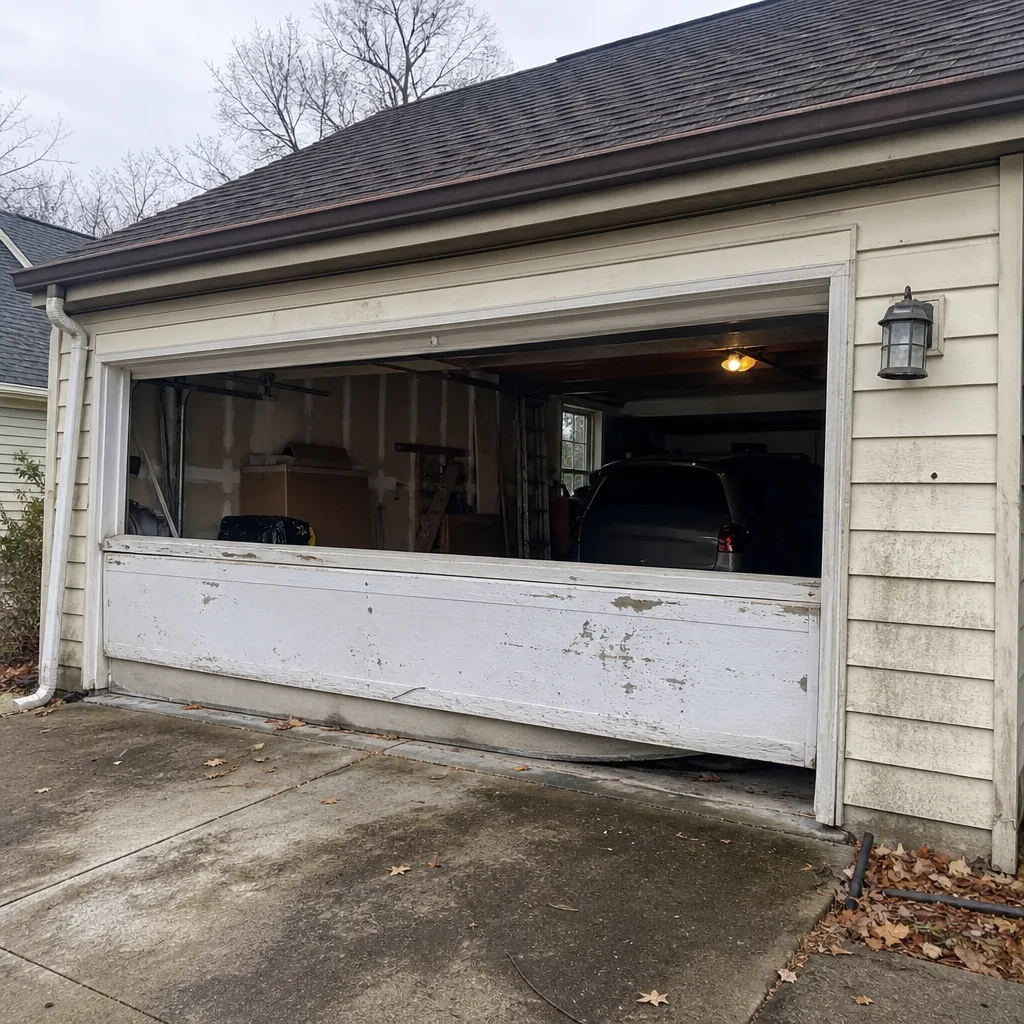
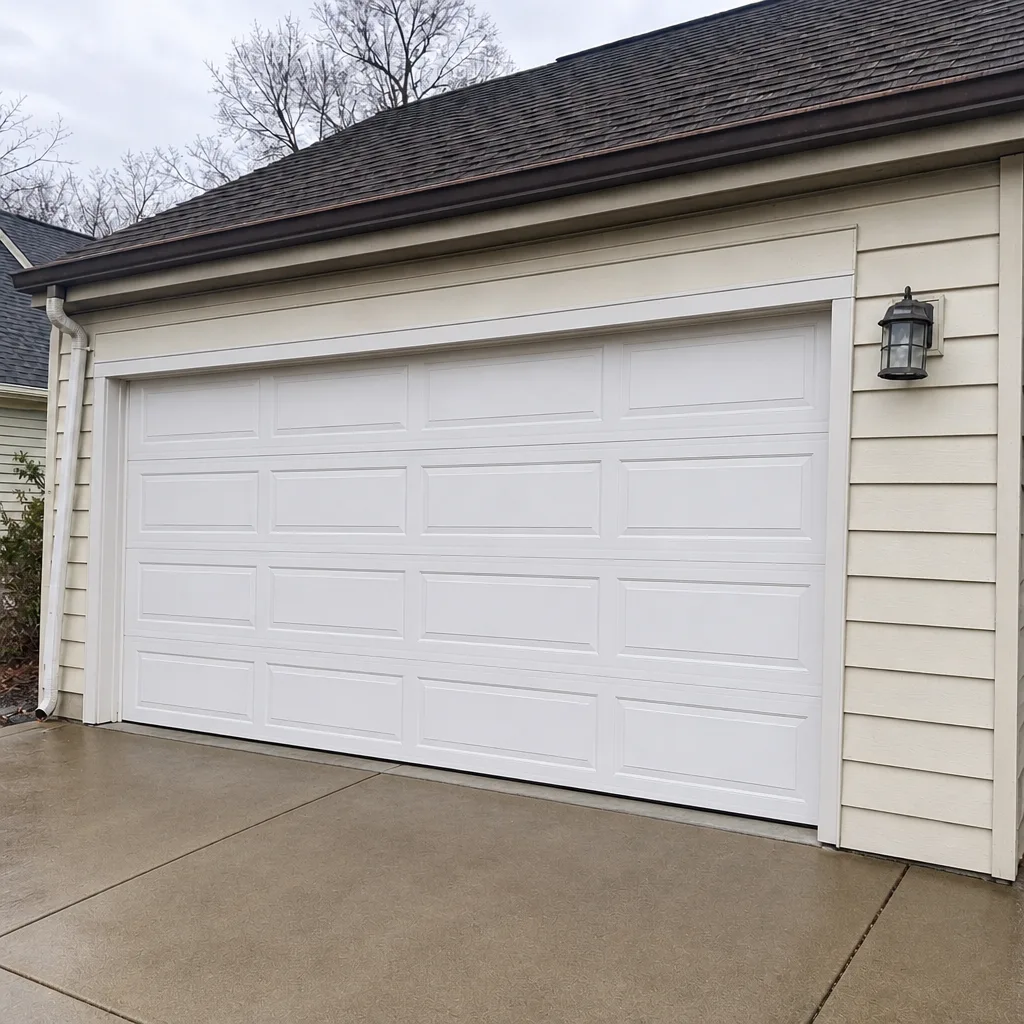
See the difference
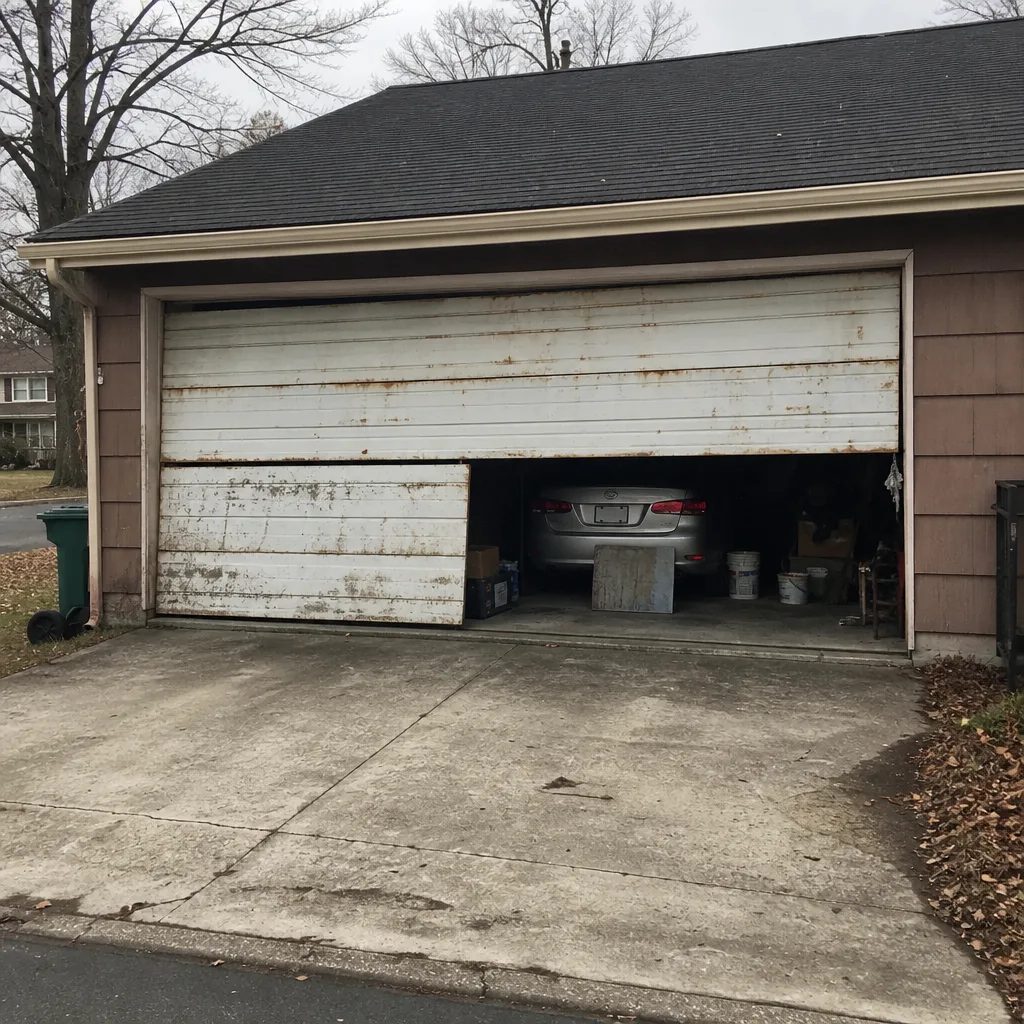 Before
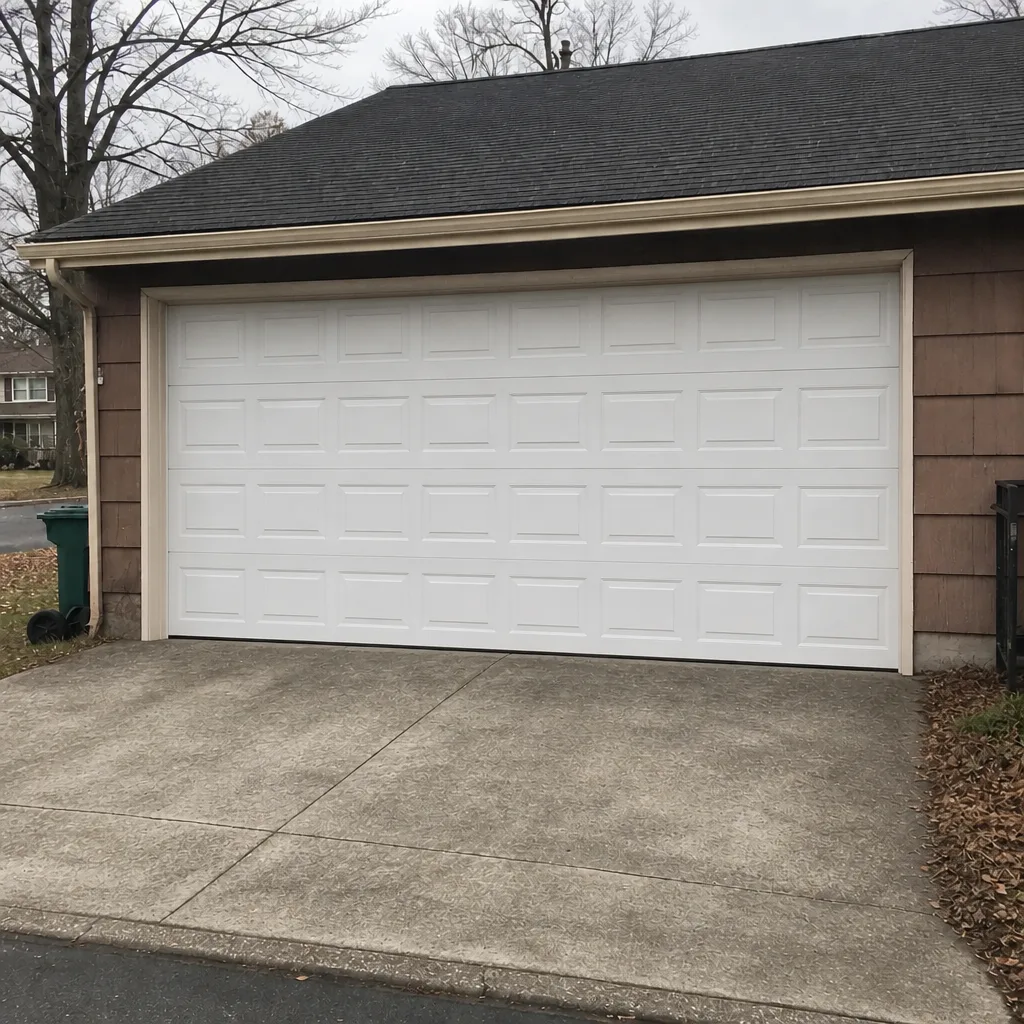 After
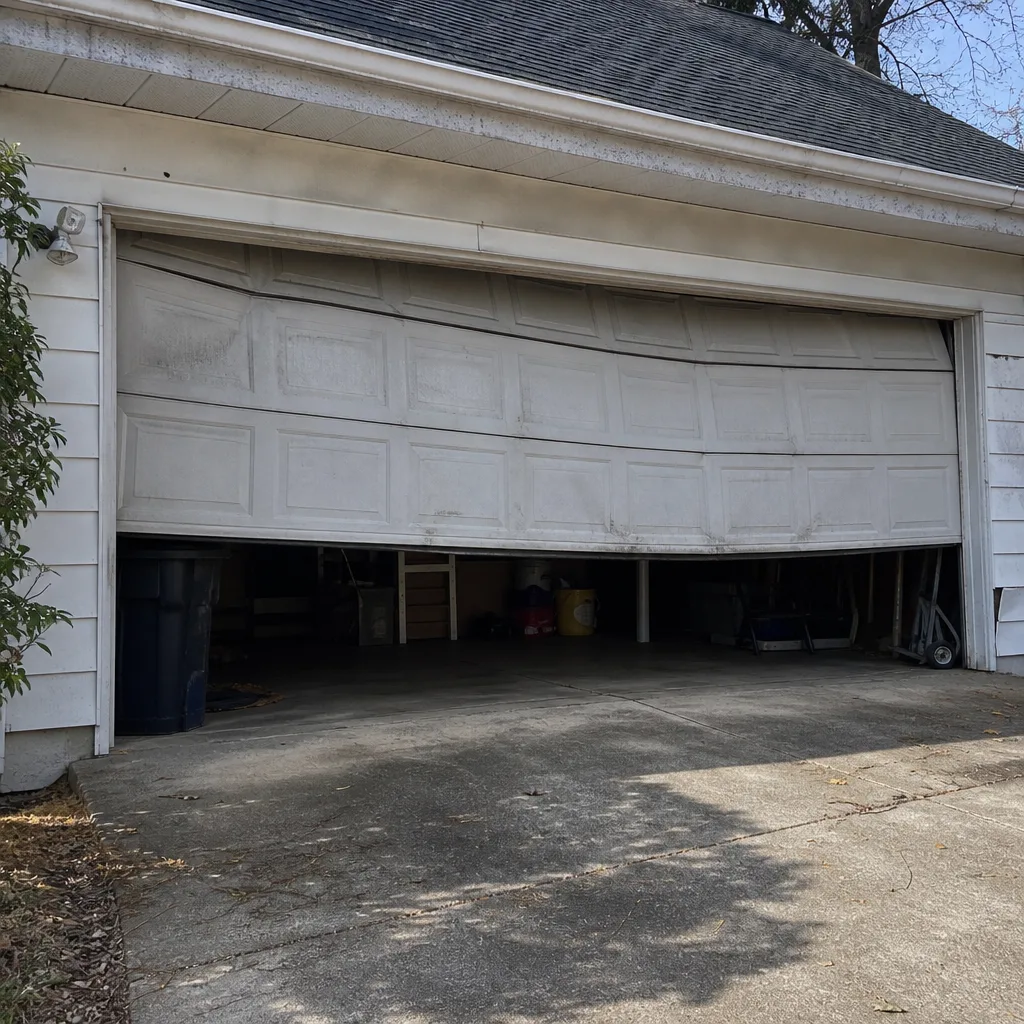 Before
 After
 Before
 After
When to Call a Professional
Bring in a professional if the door won’t lift or drops with a slam, if you hear the sharp bang of a spring, if a cable looks frayed, if tracks are bent, or if the door has come off its track. A door stuck in the open position is a security problem, and a stuck-closed door traps a car in the garage, so both are worth an urgent call. We also recommend a professional for opener failures on any brand, since diagnostics are faster when the tech already knows the system. Roseville Garage Door Repair Pros offers free estimates in Roseville, and we can be reached at (844) 443-4585. Emergency garage door service is a core part of what we do, so if the door fails when it matters, call us.
Frequently Asked Questions
Do a quick visual and safety check monthly from October through March, when cold weather stresses springs and cables, and a full lubrication pass two to three times a year. Test the safety sensors every month regardless of season, since they protect anyone walking under the door.
Yes, with the right product. Use a silicone spray or a garage-door-specific lubricant on the roller stems and hinges, and avoid WD-40 and heavy grease. A light application two to three times a year is enough.
Often it does, by catching a worn roller or a stretched spring before it fails. Pricing for a tune-up and for common repairs varies by door type and brand, so the written estimate is the number that matters. Call (844) 443-4585 to discuss your door.
A broken spring usually makes a loud bang and leaves the door too heavy to lift by hand. A spring that’s losing tension makes the door drift down when released halfway. Test it with the manual method above, then stop and call a technician for either result.
The core checklist is the same, but the parts and diagnostics differ by brand. We work on Amarr, Wayne Dalton, Craftsman, Raynor and the other major brands, which means a technician can spot the right part and the right adjustment for your specific model faster.
Check the safety sensors first. A dusty or slightly misaligned sensor is the usual cause, and wiping the lenses and repositioning them often fixes it. If the sensors look clean and aligned and the door still won’t close, call us for a free estimate at (844) 443-4585; the opener or the door’s balance may need attention.
The Bottom Line
A good maintenance routine for a Roseville garage door is mostly about doing the small, safe checks regularly and knowing when to stop. Test the springs by hand, lubricate with the right product, keep the tracks clean, and test the sensors every month. Then leave the springs, cables and track repairs to a professional who has the right tools and knows the brands inside and out. Springs, openers, panels, and tracks – one call covers it. If a check has already turned up a problem, or your door has failed when you needed it most, call us at (844) 443-4585 for a free estimate. We can have a tech out, and for many repairs, back up and running the same day.
Written by the team at Roseville Garage Door Repair Pros.
Ready to get your door sorted? We handle garage door repair, garage door opener repair, and garage door installation across Roseville. Head back to our Roseville garage door repair home page to explore everything we do, or give us a call at (844) 443-4585 for a free estimate.