Last updated November 23, 2026
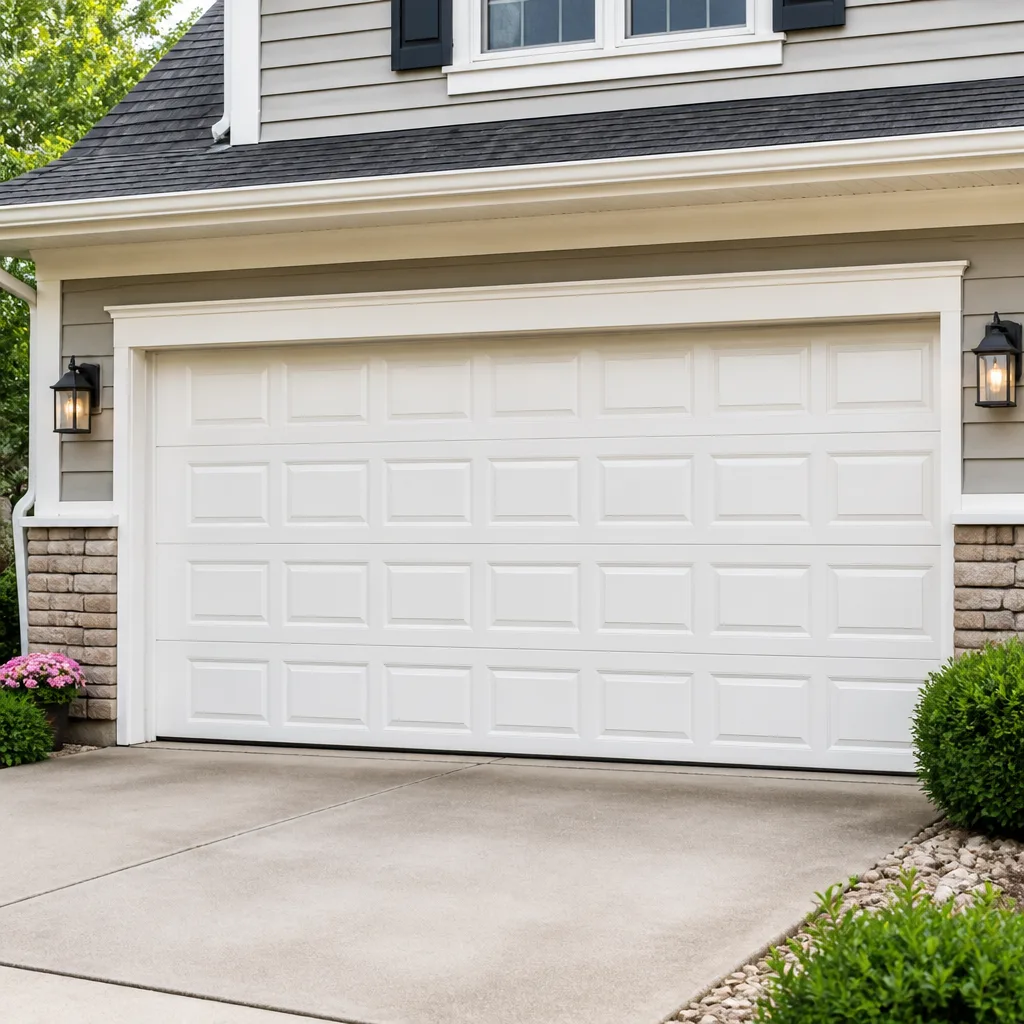 Raised-panel steel
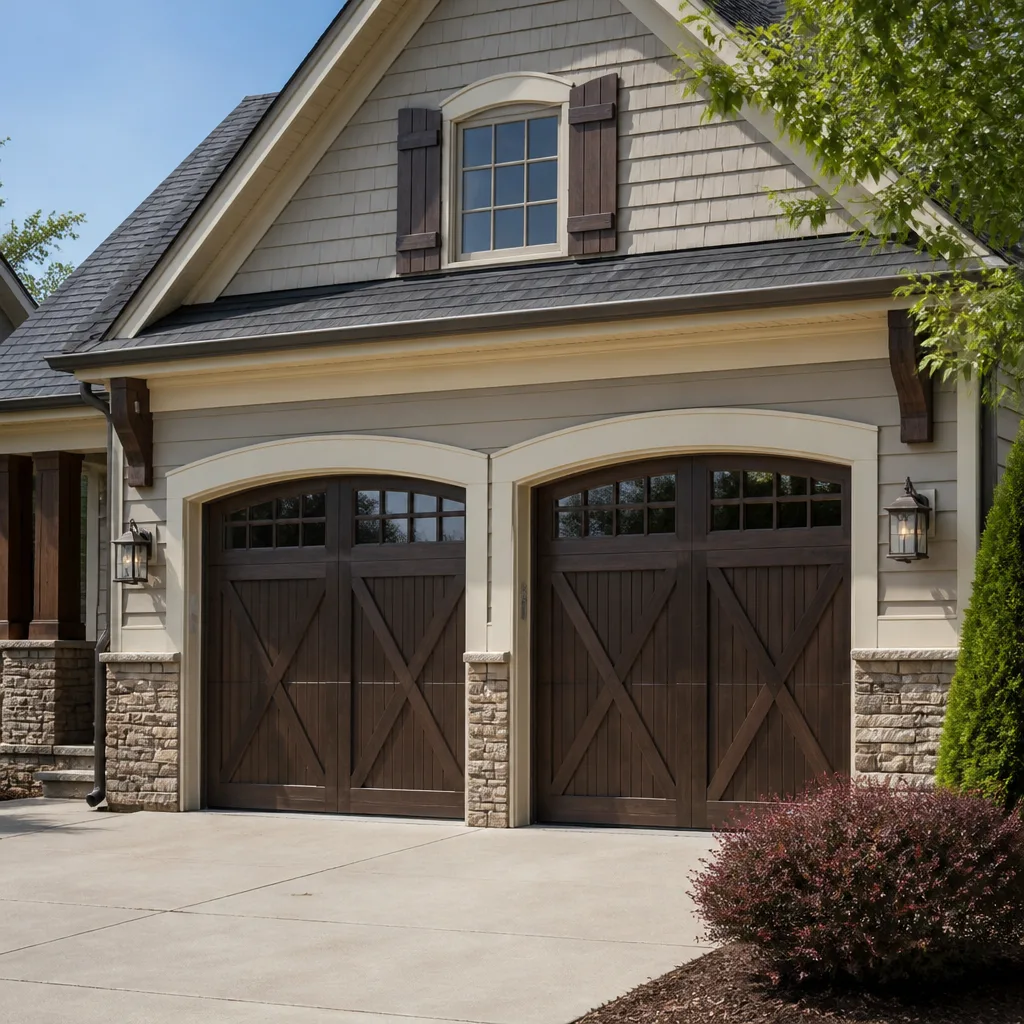 Carriage house
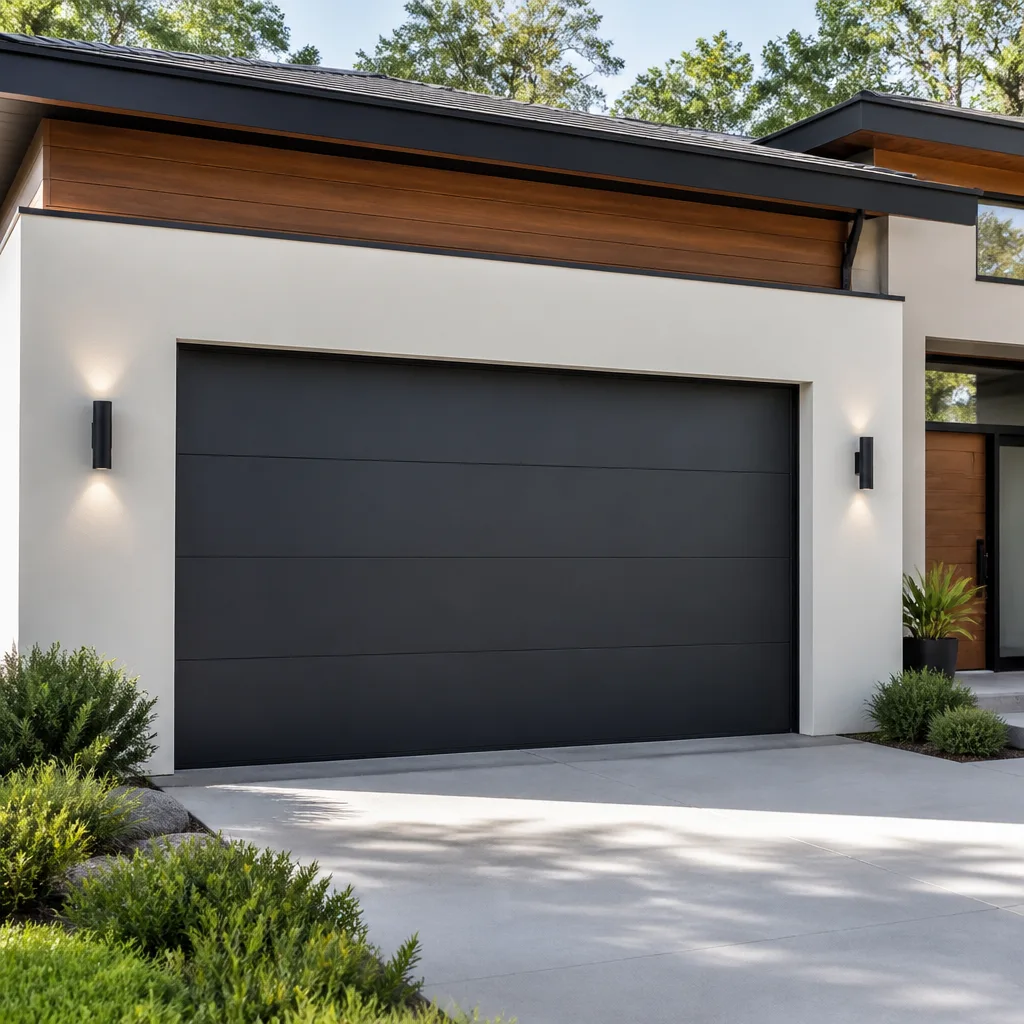 Modern flush
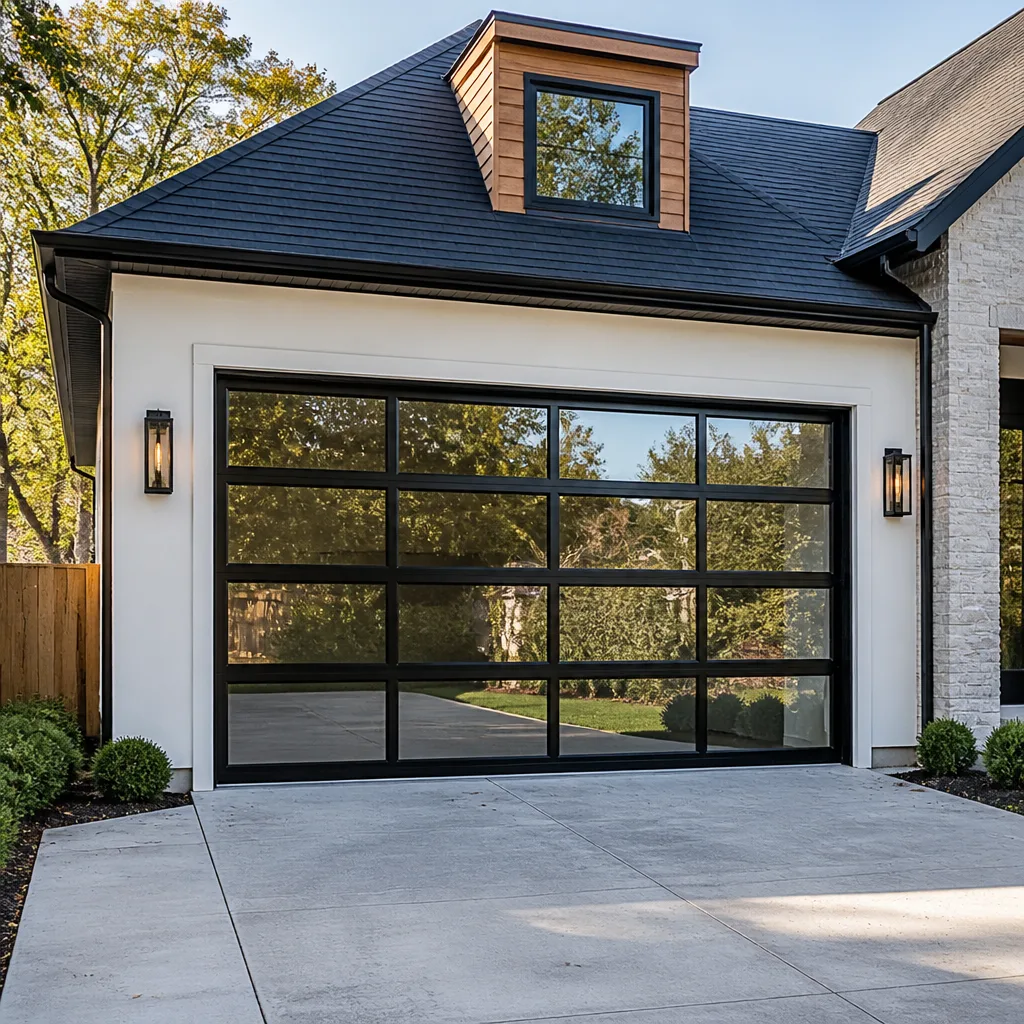 Full-view glass
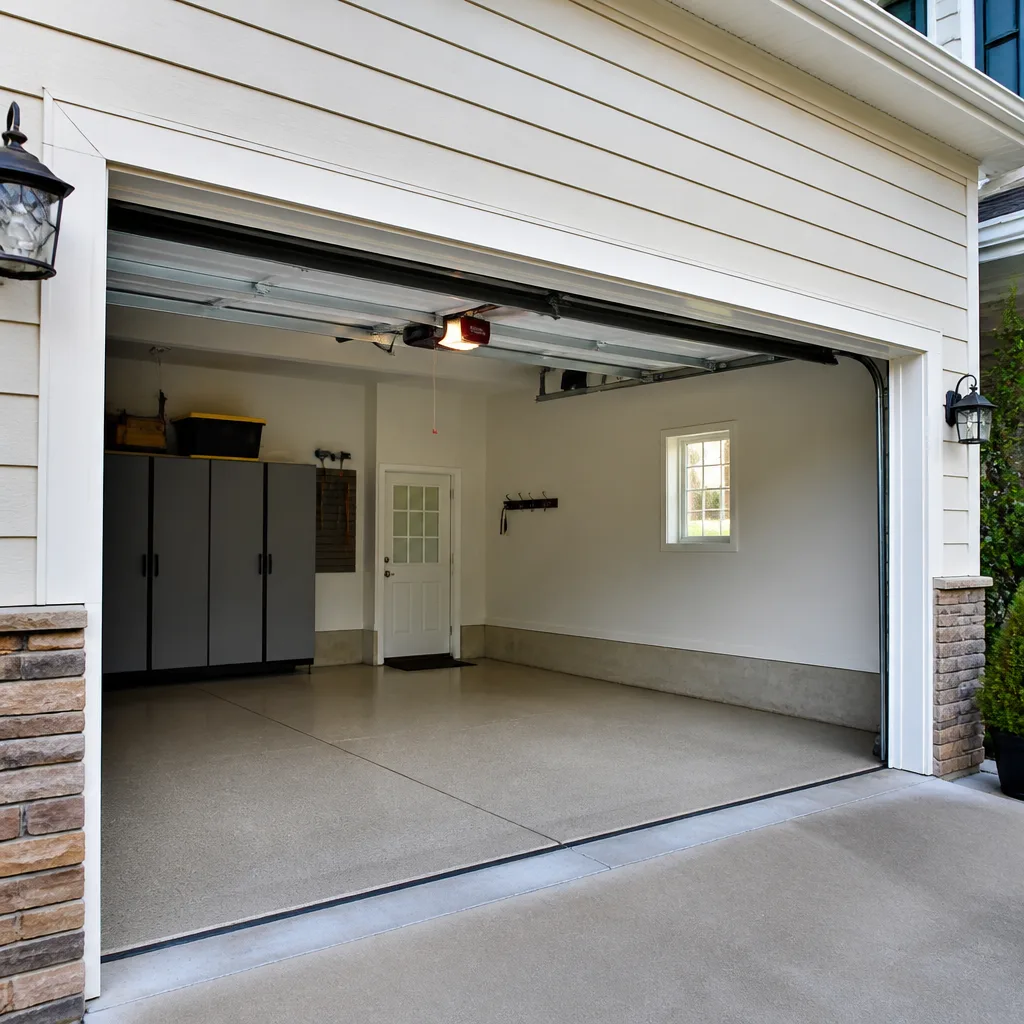 LiftMaster openers
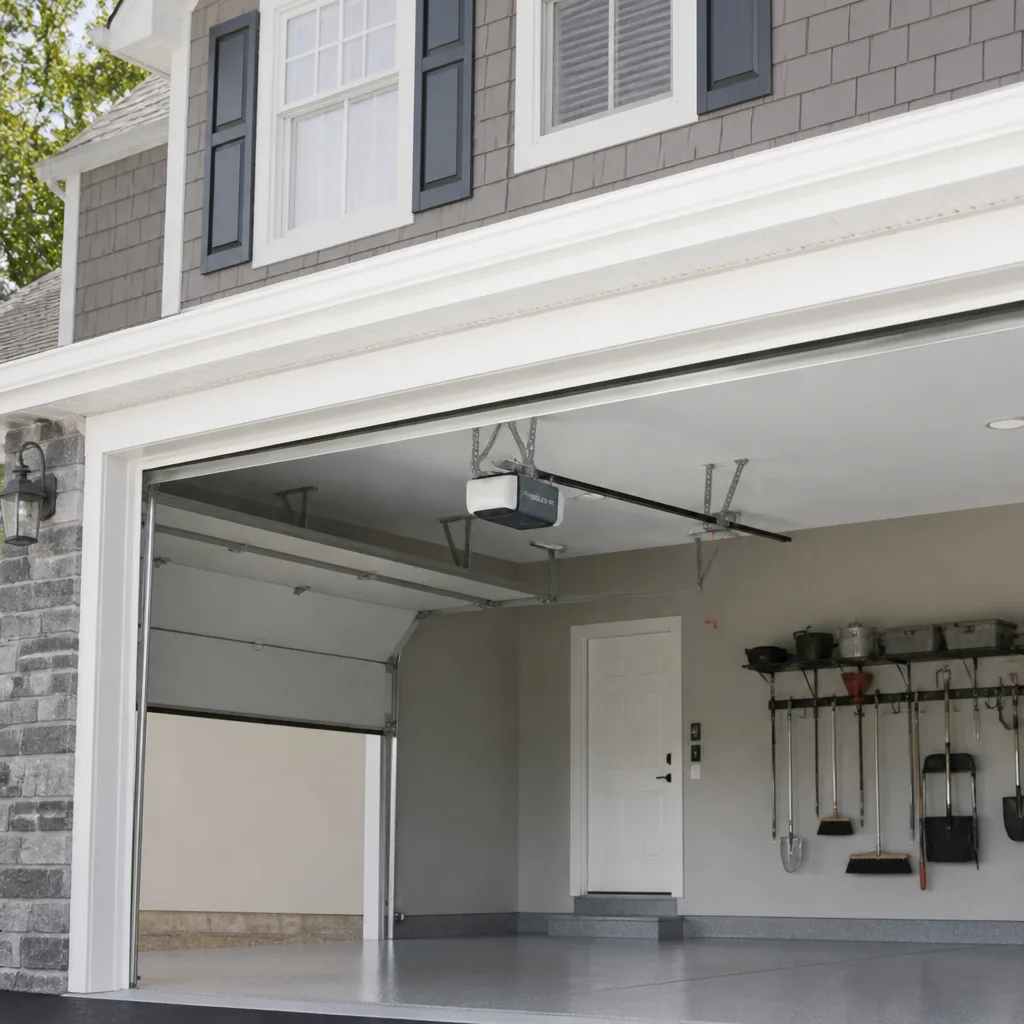 Chamberlain openers
Full 25-point door and opener safety check with every visit - springs, cables, rollers, tracks, and your LiftMaster or Chamberlain opener included
You get a price before we start. It does not change when the pro arrives.
Get your free estimateGarage Door Permits, Codes & Inspections in Roseville, NJ: What You Need to Know
Skipping a permit on a garage door replacement can quietly become a real estate problem the day you list your Roseville home. Buyers’ inspectors find it, and sellers pay for it. The part most homeowners miss is that New Jersey’s Uniform Construction Code doesn’t treat every door swap the same way. A straight swap of like-for-like panels is one thing. Structural changes, new openings, and fire-rated assemblies attached to a living space are another, and those land squarely in permit territory. In this guide, we walk through the thresholds that trigger a permit in Roseville, what a building inspector actually looks at, how unpermitted work surfaces at sale, and how HOA rules layer on top of municipal code. Our technicians have up to 9 years of experience with these requirements, and we’ve seen the confusion firsthand.
Quick Answer
In Roseville, NJ, a garage door replacement usually needs a permit when the work changes the door’s structural framing, the size of the opening, the door’s fire rating (on an attached garage), or the door’s wind or impact rating. A straight replacement with the same size, same type, and same rated assembly often doesn’t. The only reliable answer comes from the Roseville building department before work begins, not from a contractor’s assumption. When in doubt, pull the permit. It’s cheaper than the alternative at sale.
Styles & brands we work with
- Raised-panel steel
- Carriage house
- Modern flush
- Full-view glass
- LiftMaster openers
- Chamberlain openers
Table of Contents
- What Does the NJ Uniform Construction Code Say About Garage Doors?
- When Does a Garage Door Project Need a Permit in Roseville?
- What Does a Roseville Building Inspector Check?
- Fire-Rated Door Requirements for Attached Garages
- How Unpermitted Garage Door Work Surfaces at Sale
- How HOA Rules Interact With Roseville Municipal Code
- Choosing a Contractor Who Handles the Paperwork
- Common Mistakes to Avoid
What Does the NJ Uniform Construction Code Say About Garage Doors?
New Jersey regulates construction through the Uniform Construction Code, administered by the state’s Department of Community Affairs and enforced locally by each municipality’s construction office. Garage doors fall under the building subcode, and in some cases the fire subcode when the door separates an attached garage from living space. That dual-subcode overlap is where a lot of Roseville homeowners get tripped up. A contractor telling you “it’s just a door” isn’t wrong about the product, but they may be wrong about the paperwork.
The code treats a garage door as a component of the building envelope, not a piece of furniture. That means anything that affects the envelope’s integrity, its fire separation, or its structural performance triggers review. The categories that matter most:
- Structural changes. Enlarging the opening, replacing a header, adding a new opening, or altering the framing all require a building permit.
- Fire separation. Doors that separate an attached garage from the house must maintain the required fire rating. Replacing one with a non-rated door is a code violation.
- Wind and impact ratings. If the door’s design pressure rating is part of the home’s approved envelope, swapping to a lower-rated door requires review.
- Electrical work. New opener circuits, new outlets, or rewiring for a smart opener typically needs an electrical permit separate from the building permit.
Straight replacement with an identical door – same size, same rating, same material, same operation – is the case where local construction offices most often say “no permit needed.” But that’s a local call, not a rule you should assume. If you’re in doubt, a quick call to the Roseville construction office settles it in minutes. We’d rather see you spend five minutes on the phone than five figures at closing.
When Does a Garage Door Project Need a Permit in Roseville?
The clearest way to think about it: if the door’s job, size, rating, or mounting changes, get a permit. If it’s a genuine replace-in-kind, ask the building department to confirm before you buy the door. Here’s the practical breakdown we use when a Roseville homeowner asks us whether their project needs paperwork.
Projects That Typically Need a Permit
- Changing the door size. Going from a single 9-foot door to a double wide, or vice versa, changes the opening and the framing. Permit required.
- Swapping a standard door for a fire-rated door, or vice versa. Any change to the rated assembly requires review, even if the new door is “better.”
- Replacing an opener circuit or adding a new circuit. Electrical permit through the electrical subcode.
- Adding a new garage door where none existed. Framing, header, and envelope changes. Building permit required.
- Replacing a door damaged in a storm when the structural framing is affected. Cosmetic panel damage doesn’t usually trigger it. Structural damage does.
- Adding a door operator to a door that was never automated. Depends on the wiring involved; usually an electrical permit if new circuits are added.
Projects That Often Don’t Need a Permit
- Replace-in-kind with the identical door model and rating, same size, same track configuration.
- Panel replacement alone (no structural change, no rated assembly change).
- Opener replacement using the existing wiring and circuit.
- Spring, cable, roller, and hinge repair (maintenance, not construction).
Everything on that second list is a maintenance or repair act. Everything on the first list changes the built environment. That’s the fundamental distinction the code is drawing. If you want a straight answer specific to your Roseville address, our team can walk through it with you, and you can book a garage door installation consultation to nail down the scope before you ever call the town.
What Does a Roseville Building Inspector Check?
A Roseville building inspection for a garage door is not a casual look. The inspector is verifying that the installed assembly matches the approved plans and meets the safety requirements of the code. The scope varies depending on whether the inspection is for a new installation, a structural change, or a fire-rated door replacement, but the checklist looks roughly like this:
- Door size and opening dimensions. Measured against the approved plan. Even small deviations get flagged because sizing affects headroom and clearances.
- Fire rating and labeled assembly. On an attached garage door, the inspector confirms the door and any frame components carry the required listing. A cut or modified label voids the rating.
- Automatic reverse and safety features. On an automated door, the operator’s safety reversing system and any entrapment protection features are checked against the manufacturer’s installation instructions.
- Fasteners and anchoring. The track, brackets, and spring system must be anchored to structural material, not drywall or siding, with fasteners of the correct type and length.
- Headroom and clearances. Vertical clearances above the door and the travel path of the operator.
- Electrical connections. The opener circuit, disconnects, and any junction box work are checked when electrical permits are part of the scope.
- Weather sealing and envelope continuity. In projects that touch the envelope, the inspector confirms the perimeter sealing matches the plan.
What the inspector does not do is evaluate whether your new door matches your house’s color scheme or fits the neighborhood aesthetic. That’s an HOA or zoning question. Keeping the process tight is one reason we recommend booking garage door repair and installation work through a contractor who knows the local inspection routine and can anticipate what the town will ask for. If a project needs a permit, our technicians come to the inspection with the plans, the product literature, and the ratings documentation.
Fire-Rated Door Requirements for Attached Garages
If your Roseville home has an attached garage, the door between the garage and the living space is a fire separation assembly. This is the single most misunderstood part of New Jersey garage door code. It is not optional, it is not a suggestion, and it is not something a homeowner can “upgrade around” with a nice-looking non-rated door.
The requirement exists because an attached garage houses vehicles, fuel, and household chemicals. The door and the wall it sits in are designed to slow a fire from reaching the living space long enough for occupants to get out and for the fire department to arrive. Removing or downgrading that rated assembly, even accidentally, undermines the safety design of the whole house.
What “Fire-Rated” Actually Means
- The door carries a listing or label from a recognized testing agency, and that label is visible, intact, and matched to the door.
- The frame and any glazing in the assembly are part of the rated system; a rated door in a non-rated frame is not a rated assembly.
- The self-closing mechanism (or an equivalent automatic closure) is present and functioning if the code requires one for that wall.
- Any modification to the door – cutting for a pet door, drilling for a new handle, adding a window – typically voids the rating.
Which Door Products Qualify
Several manufacturers make fire-rated assemblies for residential garage-to-house openings, including steel and insulated steel options. Amarr and Wayne Dalton both offer products that address this application, and a knowledgeable installer will pull the correct model for your wall’s rated configuration rather than a generic door. The label matters more than the brand. If your inspector can’t find a label, the assembly fails, even if the door physically works.
If you’re unsure whether your existing door is rated, check the edges and the frame for a label. If you can’t find one, assume it may not be rated and have it evaluated. Our team handles brand-specific sourcing for rated doors and knows which products match which assemblies.
How Unpermitted Garage Door Work Surfaces at Sale
Unpermitted garage door work often stays hidden for years. It surfaces during a real estate transaction, when the buyer’s inspector requests documentation, or when the buyer’s attorney asks for the open and closed permits on the property. That request is standard practice in New Jersey. When the paperwork doesn’t exist, the deal doesn’t just stall – it gets expensive for the seller.
Here’s how the discovery usually unfolds:
- The buyer’s inspector flags the door. Signs of a recent replacement with no visible permit sticker, a door that doesn’t match the house’s other features, or a rated door on the wrong side of a fire wall all catch attention.
- The buyer’s attorney requests the permit history. Municipalities maintain an open and closed permit record. If the door was replaced, added, or structurally changed, and no permit exists, it shows up as a gap.
- The seller has to resolve it before closing. Options include retroactive permitting (which often requires inspection and sometimes corrections), removal of the unpermitted work, or a price concession to the buyer.
- Lender and insurer reviews can compound the problem. If the garage assembly is part of the home’s insurable envelope, some lenders require proof that the work was permitted and inspected.
The typical resolution costs more than the original permit would have. Retroactive permitting means the town has to inspect work it didn’t see installed, which may require opening up the wall or removing finishes to verify fasteners and fire separation. Sellers who assumed a swap didn’t need a permit find themselves paying for a second round of work, a delay, and sometimes both. We’ve walked Roseville sellers through this exact scenario, and the fix is always easier before the listing goes live than after the buyer’s inspector has written the report.
If you bought a Roseville home with an older garage door installation and you’re not sure whether it was permitted, the answer isn’t to worry – it’s to check the town’s records now, while there’s no transaction clock running. If the work is unpermitted and needs to be brought into compliance, a licensed contractor and a professional inspection are the fastest path. For an initial assessment, a call to garage door repair service is a reasonable first step to identify what’s actually installed.
How HOA Rules Interact With Roseville Municipal Code
Roseville’s residential communities include a mix of older established neighborhoods and newer subdivisions, and HOA rules vary significantly from one to the next. Municipal code sets the minimum safety and structural requirements. HOA rules layer additional aesthetic and material requirements on top. When the two conflict, the more restrictive rule usually governs, and the homeowner is caught in the middle.
Where HOAs Typically Add Requirements
- Door style. Carriage-house, raised-panel, and flush styles are often restricted by the association’s architectural guidelines. A door that’s perfectly code-compliant can still be rejected by an HOA design review committee.
- Color and finish. Specific paint colors and wood tones are frequently dictated. Changing the color of an existing door often requires approval even when the door itself isn’t being replaced.
- Window configuration. The number, arrangement, and material of windows in the door assembly often fall under the association’s architectural review.
- Material restrictions. Some Roseville associations restrict steel, aluminum, or wood doors depending on the neighborhood’s original construction era.
- Approval process. Design review often requires a submission packet with manufacturer literature, color swatches, and occasionally a rendering of the finished look.
Where Municipal Code Adds Requirements the HOA Doesn’t Consider
Fire separation, structural attachment, safety reversing systems, and rated assemblies are municipal code requirements that most HOAs don’t address at all. That means passing your HOA design review does not mean your door is code compliant, and it certainly doesn’t mean a permit has been pulled. The two processes are parallel, and a homeowner with a Roseville attached garage has to satisfy both.
The practical approach: get the HOA design approval first, since it determines which door product you can install. Then confirm with the Roseville building department whether that specific product triggers a permit. Then book the installation through a contractor who can present both sets of paperwork at the point of inspection.
Choosing a Contractor Who Handles the Paperwork
Not every garage door contractor is comfortable with the permit side of the job. Some will tell you “you don’t need a permit for a door” without checking. Others will pull the permit but treat the inspection as an afterthought. The difference matters when you’re the one whose name is on the property record.
When you’re evaluating contractors in Roseville, these are the questions that separate a professional from a hobbyist:
- “Will you confirm the permit requirement with the Roseville building department before we proceed?” A good contractor does this as part of the estimate, not after the fact.
- “If a permit is required, will you pull it, schedule the inspection, and be on site when the inspector arrives?” The answer should be yes to all three.
- “Do you have product literature and rated-assembly documentation for the door we’re installing?” Essential for fire-rated doors and any envelope-touching work.
- “How do you handle HOA design review submission?” A contractor who’s been through this in Roseville associations knows what the submissions require.
- “Who is responsible for corrections if the inspection fails?” The contractor should own corrections on workmanship and installation; the homeowner owns the design decisions.
Our approach is straightforward. We confirm the permit requirement, we pull it if it’s needed, and we’re on site for the inspection. Our technicians have up to 9 years of experience, and we work on every major brand, including Amarr, Wayne Dalton, Craftsman, and Raynor, so the product documentation is never a guess. If a permit isn’t required, we say so and move forward with a fast garage door repair or installation. If it is, we handle it. For homeowner-level opener work and diagnostic questions, our garage door opener repair team can also answer whether a permit is needed on the electrical side of a project.
Common Mistakes to Avoid
- Assuming “it’s just a door so it doesn’t need a permit.” The threshold isn’t the product, it’s whether the work changes the opening, the rating, or the structure. Confirm with the Roseville building department, not a contractor’s opinion.
- Replacing a fire-rated door between garage and house with a standard door. This is a safety violation and a common inspection failure. The rating has to be maintained or the assembly is out of compliance.
- Trusting a verbal “we’ll pull the permit.” Get it in writing on the estimate, with the permit listed as a line item and the inspection included in the scope of work.
- Skipping HOA design review because the code doesn’t require it. Passing the building inspection doesn’t satisfy the association, and the association can require you to remove and replace a rejected door at your own cost.
- Buying a door online and having it installed by a handyman to avoid the paperwork. The paperwork is not the bottleneck – the corrections after an inspection are. A handyman who installs without a permit leaves the homeowner holding the liability.
- Assuming the sale paperwork will “just work itself out.” Roseville buyers’ attorneys routinely request the permit history. A gap in the record is a negotiation, and the seller almost always pays for it.
- Not keeping the permit and inspection records after the install. Future buyers, insurers, and appraisers will want them. Keep a copy with the other home documentation.
See the difference
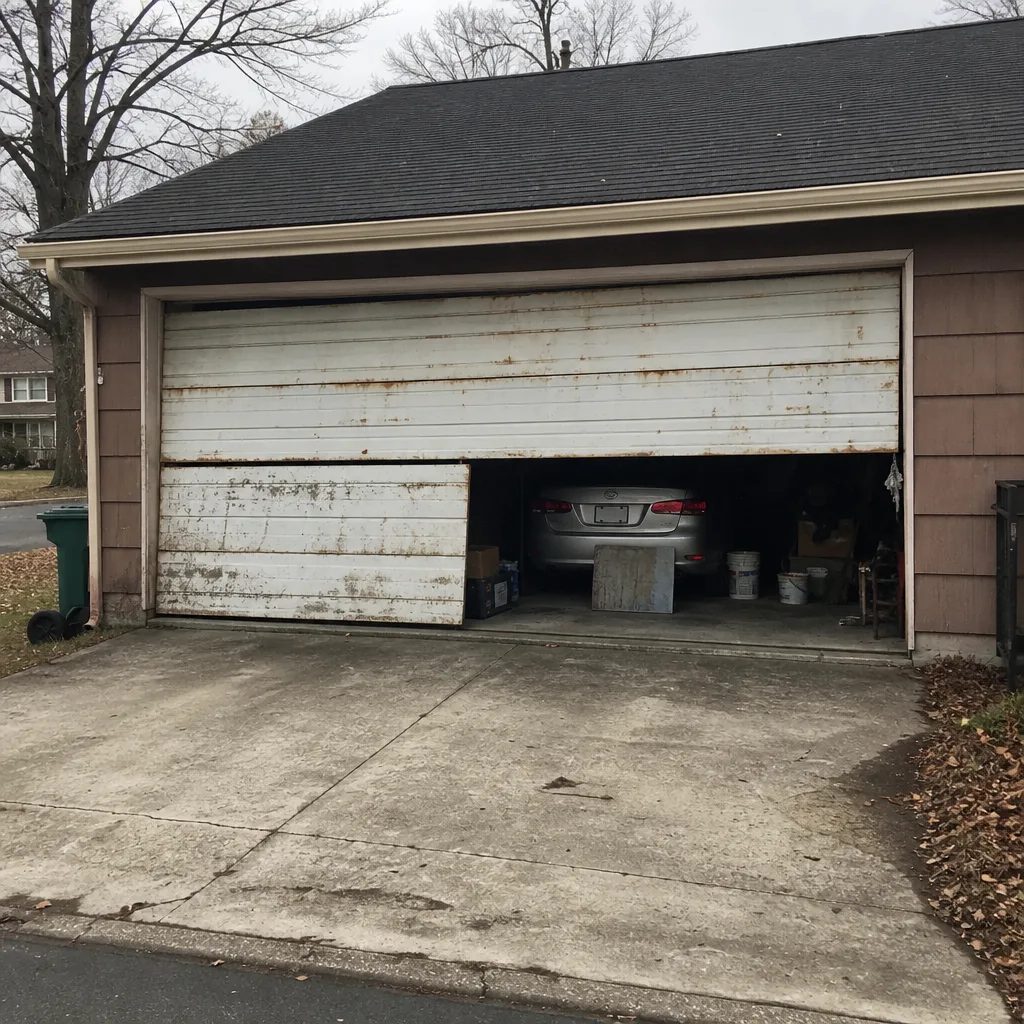 Before
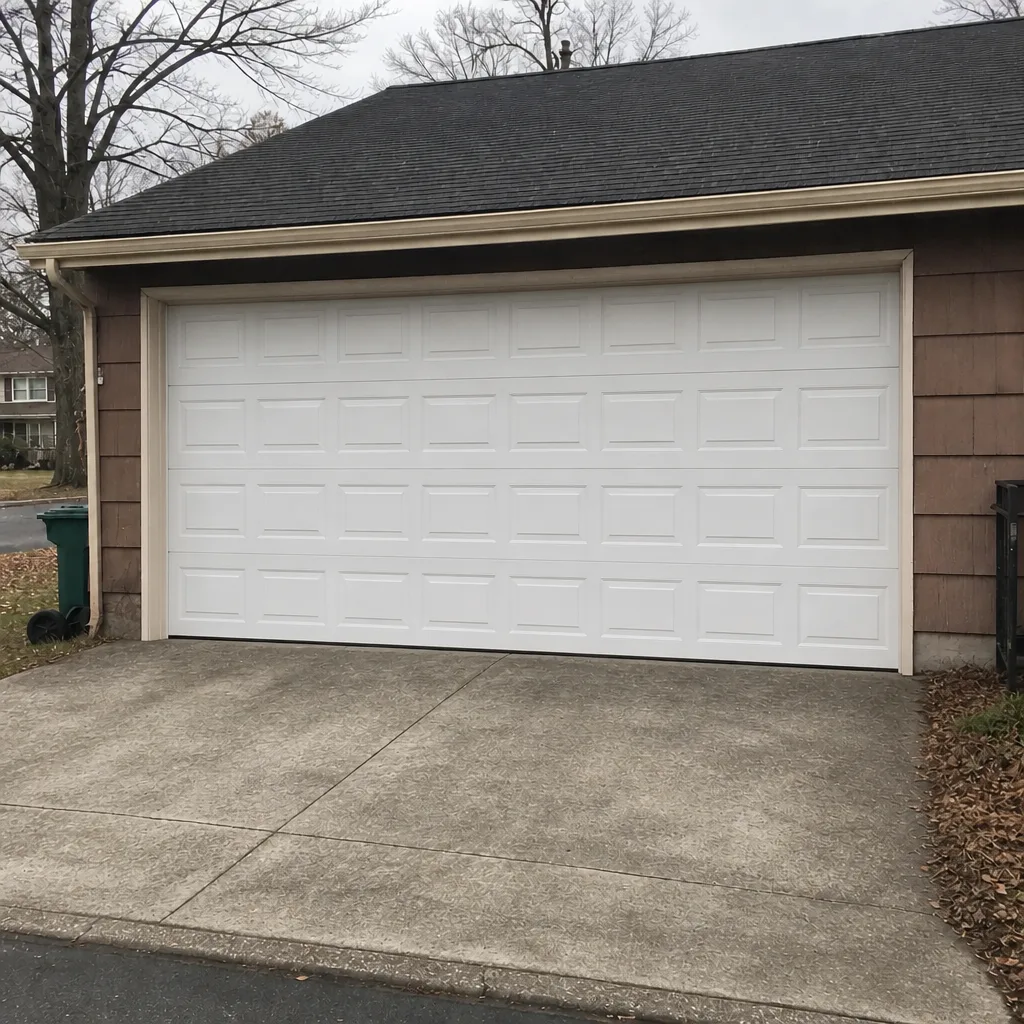 After
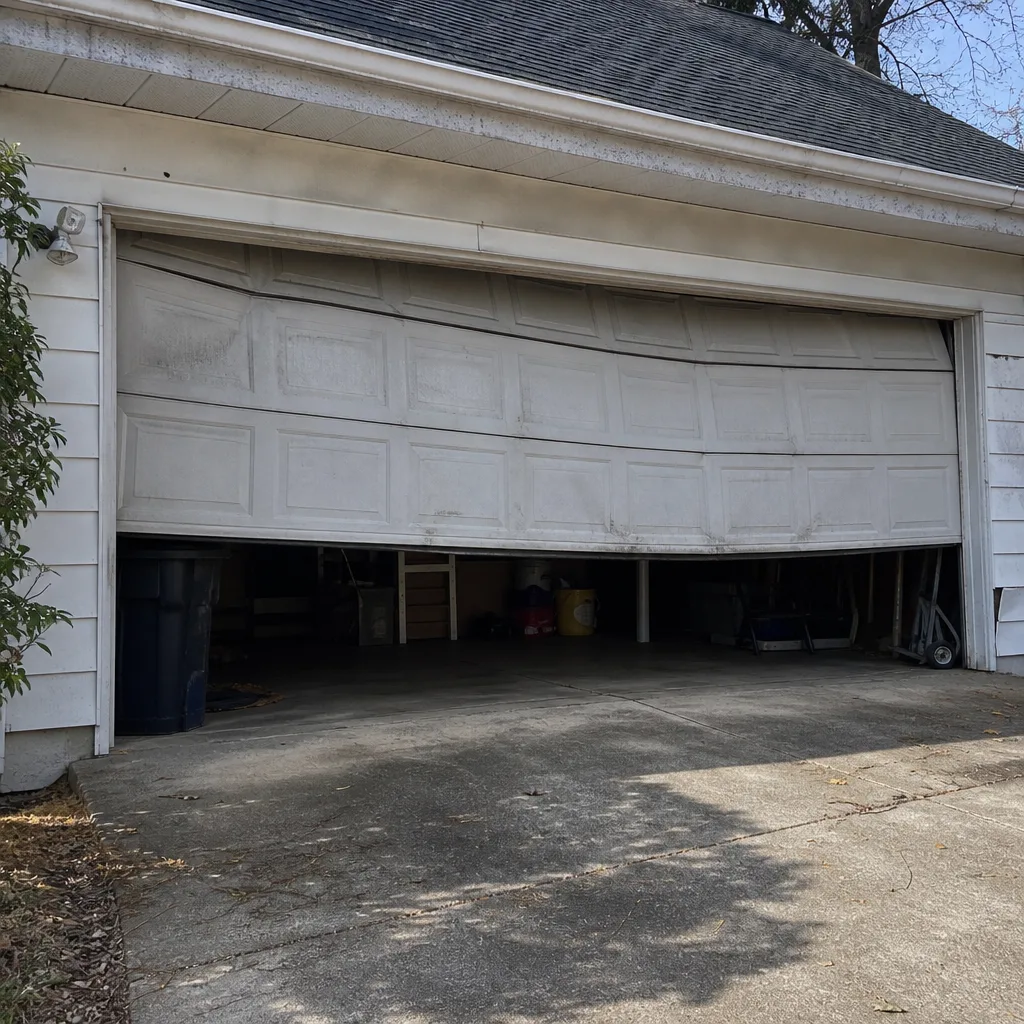 Before
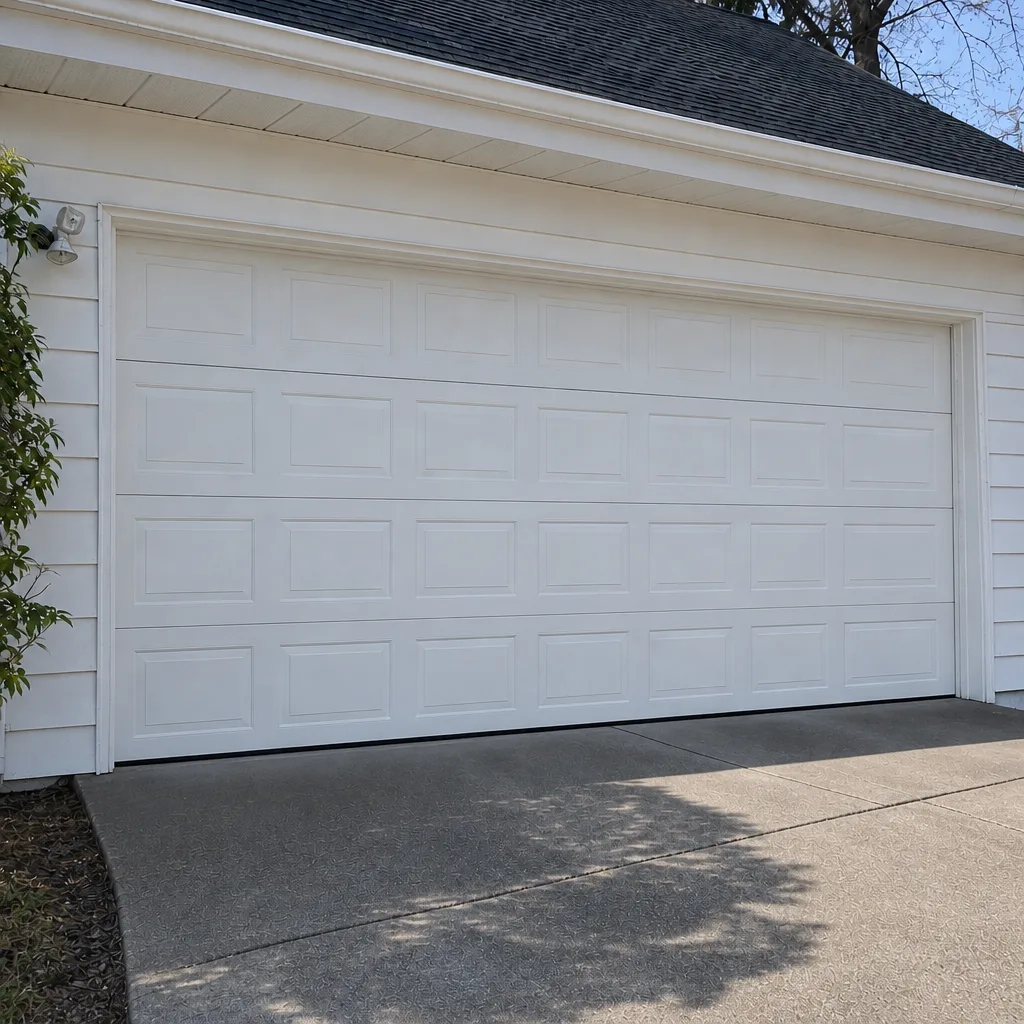 After
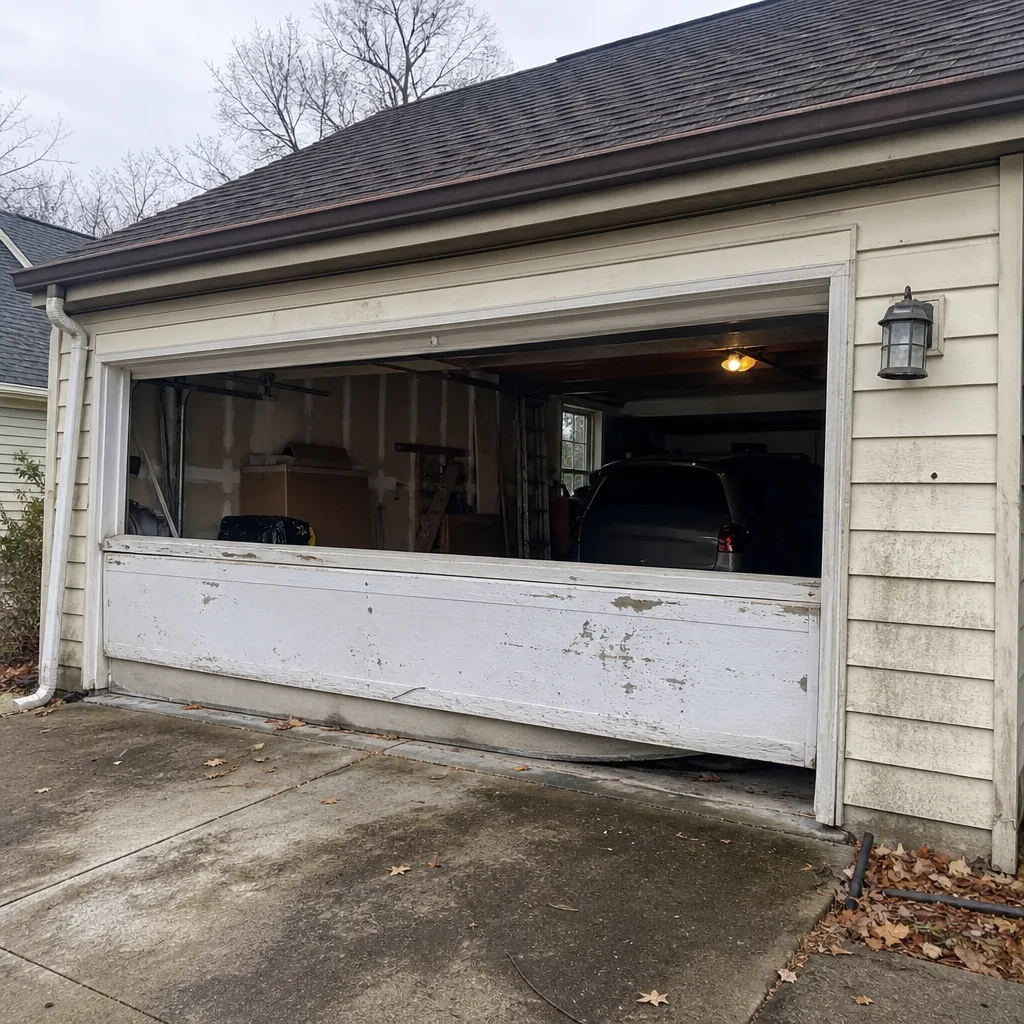 Before
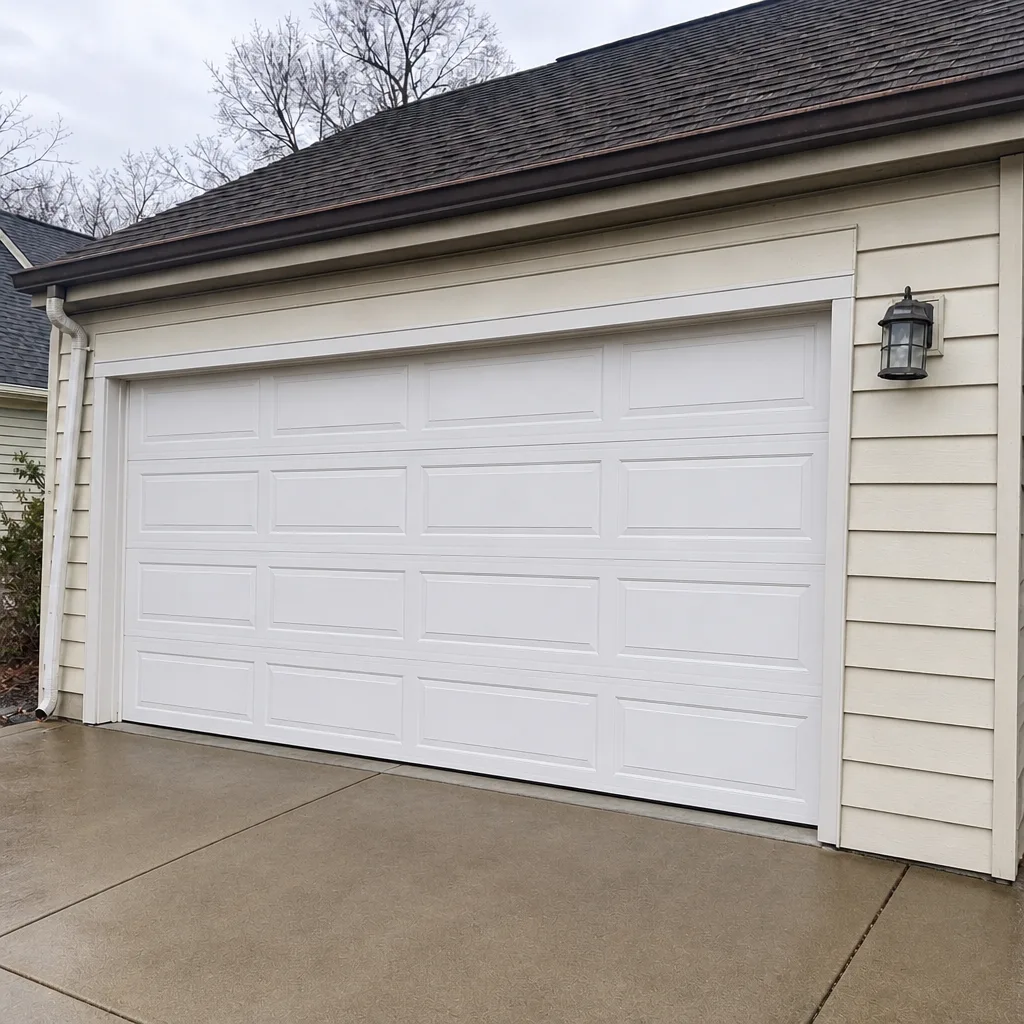 After
When to Call a Professional
Some garage door work is straightforward maintenance. Some of it is structural, rated, or permit-related, and that’s when calling a specialist pays for itself. Call us if the door between your attached garage and your home needs replacement, if you’re changing the size of an opening, if the door’s safety features or operator need evaluation, or if a storm has damaged the framing and you’re unsure about the extent. Call us if you’re buying or selling a Roseville home and the buyer’s inspector flagged the garage door. Call us if your HOA has rejected a door design and you need a compliant option. Our technicians handle the full range of residential garage door work, from routine spring repair to brand-specific installations, and we work through the paperwork with you. Roseville Garage Door Repair Pros offers free estimates in Roseville – call (844) 443-4585 and we’ll walk through what your project needs. The quote is agreed before any work starts.
Frequently Asked Questions
In Roseville, a permit is typically required when the work changes the door’s size, structural framing, fire rating, or wind/impact rating. A straight replace-in-kind with the identical door model often doesn’t require one, but the only authorized answer comes from the Roseville building department. Confirm before you order the door. Call (844) 443-4585 for help walking through the scope.
A Roseville building inspector checks door size against the approved plan, fire-rated assembly labels, automatic reverse and safety features, fastener anchoring, headroom and clearances, electrical connections, and weather sealing. The inspection confirms the installed assembly matches the plans and meets code. If you’re unsure what your project will need to pass, our team can review the scope before you schedule.
Yes, an attached garage door separating the garage from living space must maintain the fire-rated separation required by the New Jersey Uniform Construction Code. The door, its frame, and its closure all need to match the rated assembly. Cutting, drilling, or replacing the door with a non-rated product voids the rating and creates a safety violation. A professional installer will confirm the assembly carries the correct listing before installation.
The buyer’s inspector or attorney will typically flag it during the transaction, and the seller has to resolve it before closing through retroactive permitting, removal of the work, or a price concession. The cost of resolution usually exceeds the original permit, and lenders may require proof of permitted work. Checking the permit history at the town before listing avoids the surprise. If you’re mid-transaction and need documentation, call (844) 443-4585 to discuss options.
Yes, an HOA can reject a door even when it fully meets municipal code, because HOA rules usually address style, color, material, and window configuration rather than safety or structure. The association’s design review process runs parallel to the building permit. Get HOA approval before ordering the door so you don’t end up removing a compliant install.
Permit fees are set by the Roseville construction office and vary based on the scope of work, so we don’t quote a number here. For an exact figure, the building department gives it over the phone. Our written estimate lists permit costs as a line item when they apply, and the price is agreed before any work starts. Call (844) 443-4585 for a free estimate that includes the permit scope.
The Bottom Line
A garage door replacement in Roseville is sometimes a permit-free swap and sometimes a permitted construction project. The line between them comes down to whether the door’s size, structure, rating, or electrical system changes. Fire-rated assemblies on attached garages are the part most homeowners underestimate, and unpermitted work is what surfaces at sale when the buyer’s inspector and attorney start asking questions. When in doubt, call the Roseville building department, put the permit and inspection in writing with your contractor, get HOA approval before ordering, and keep the records. If a project needs a specialist who handles the paperwork and the work, we’re Roseville Garage Door Repair Pros – call (844) 443-4585 for a free estimate.
Written by the team at Roseville Garage Door Repair Pros.