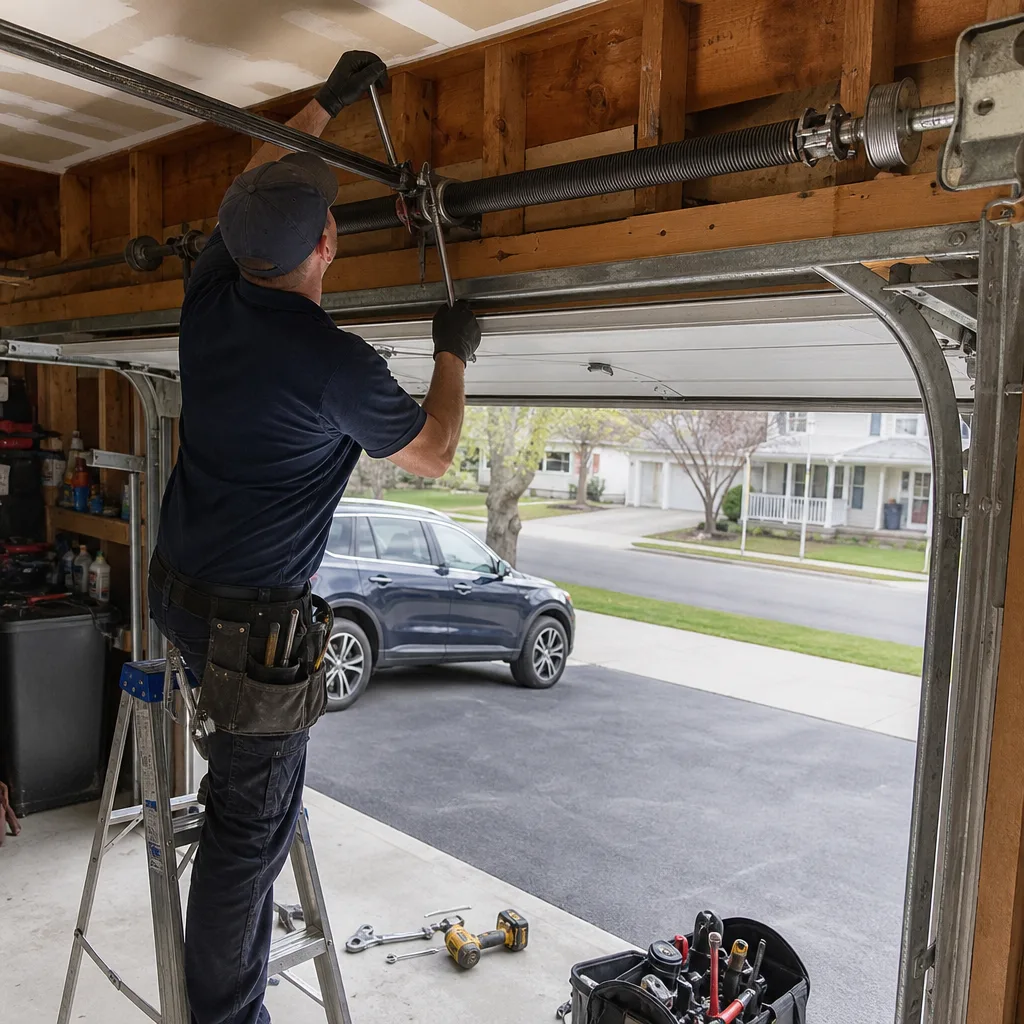
Last updated November 23, 2026
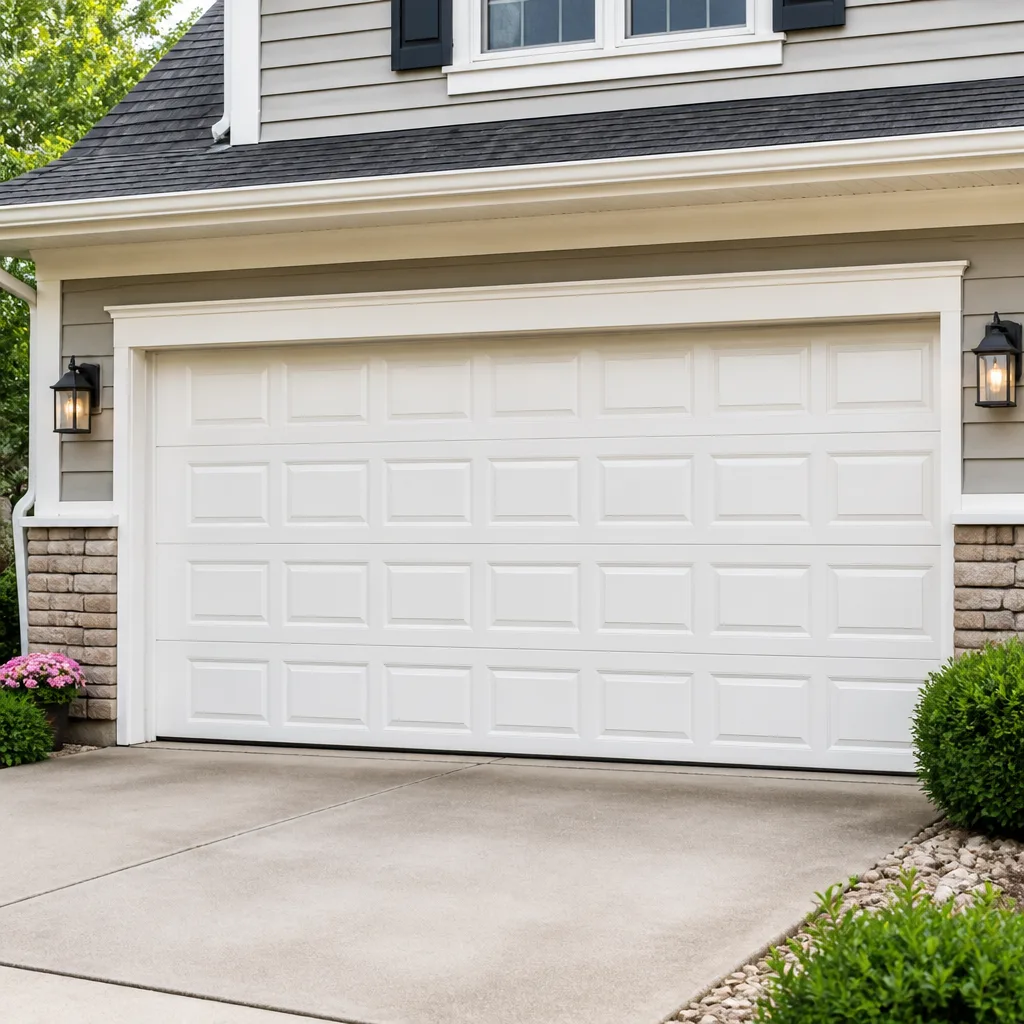 Raised-panel steel
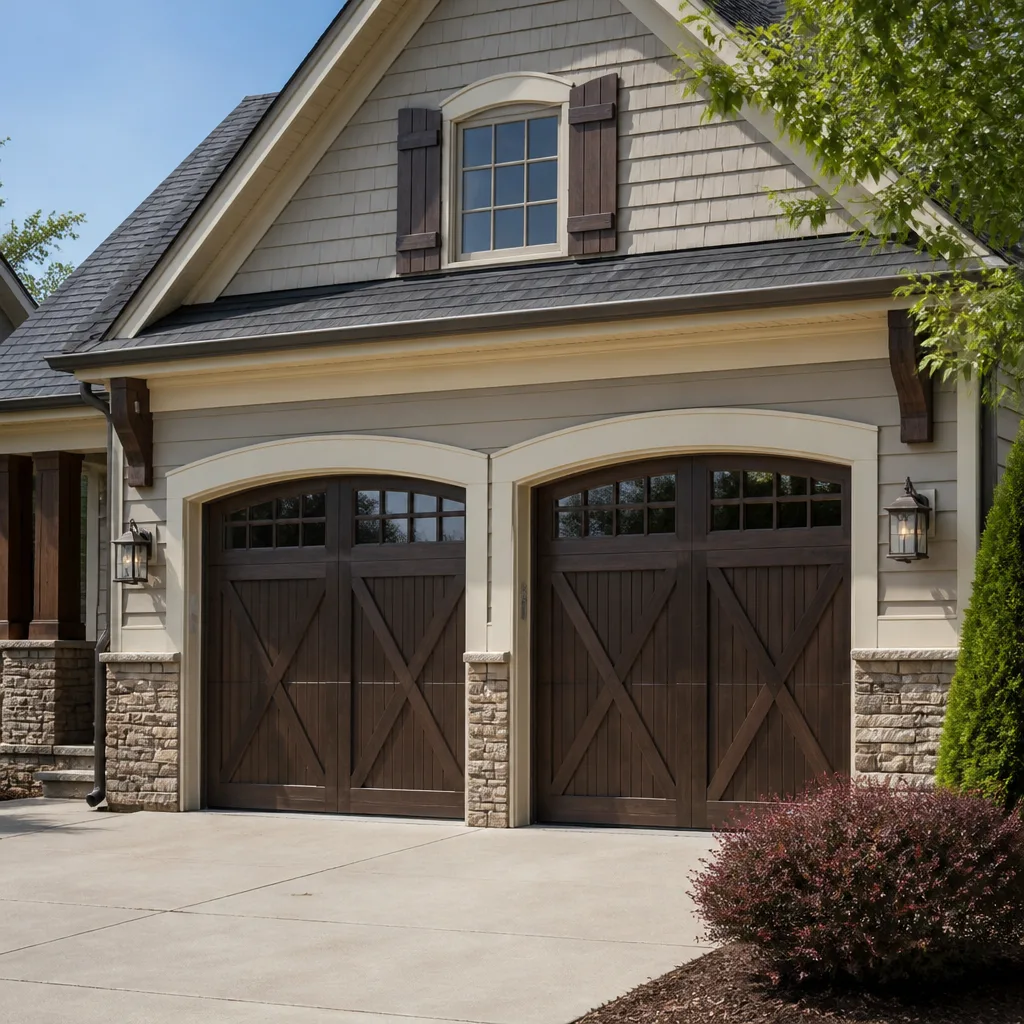 Carriage house
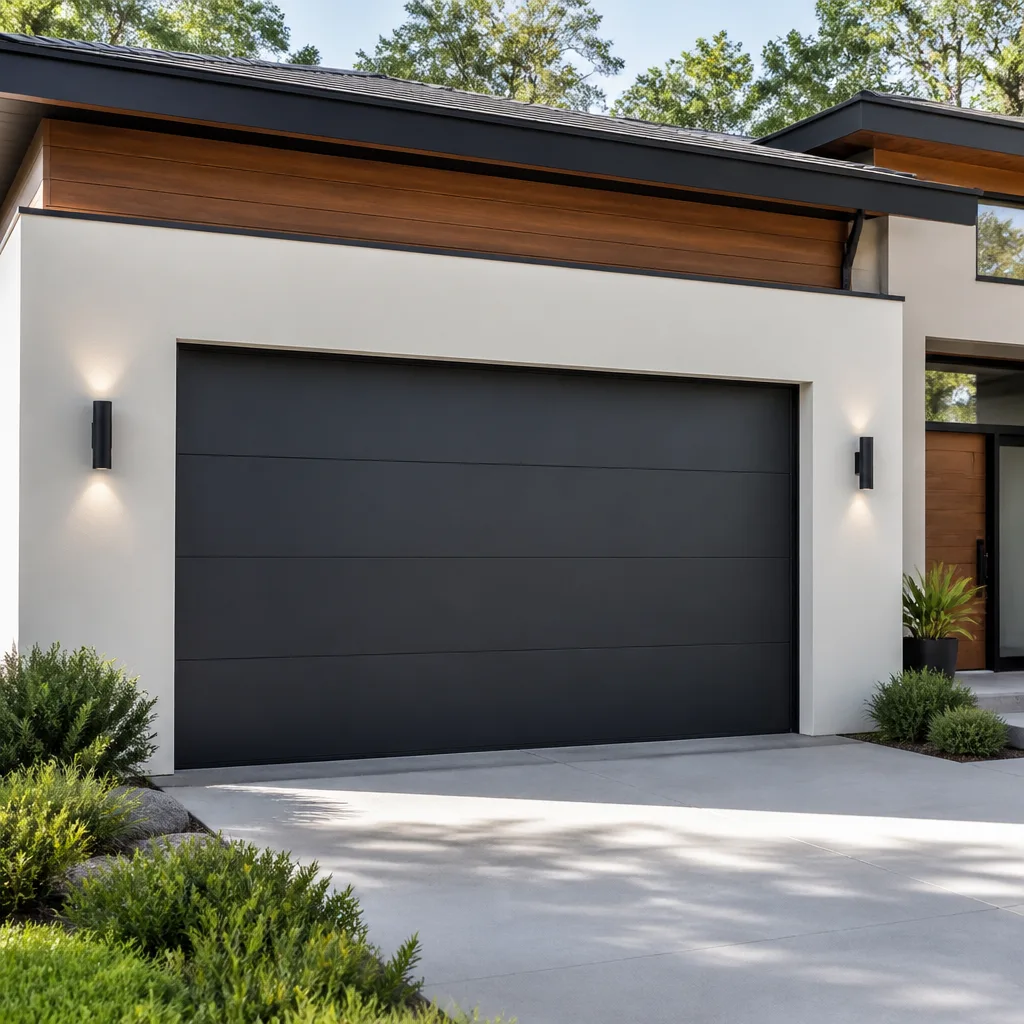 Modern flush
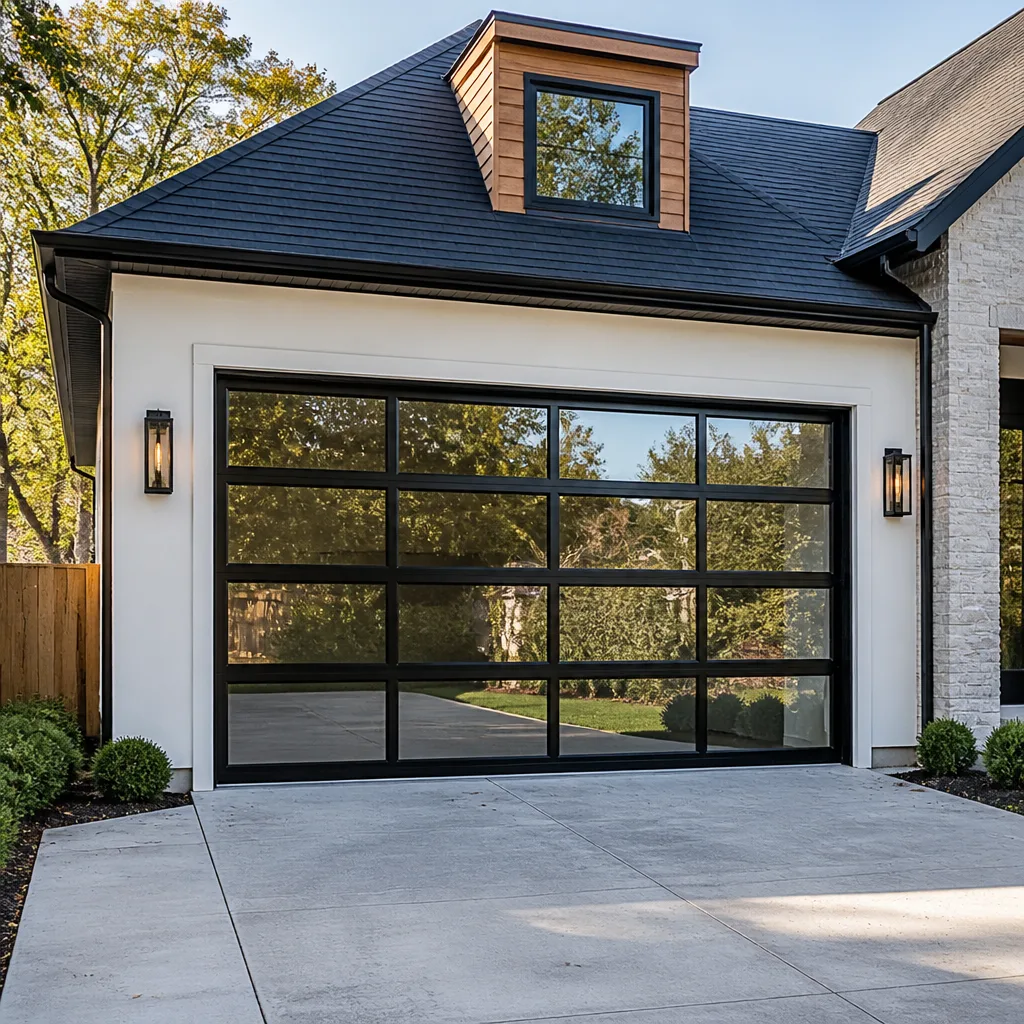 Full-view glass
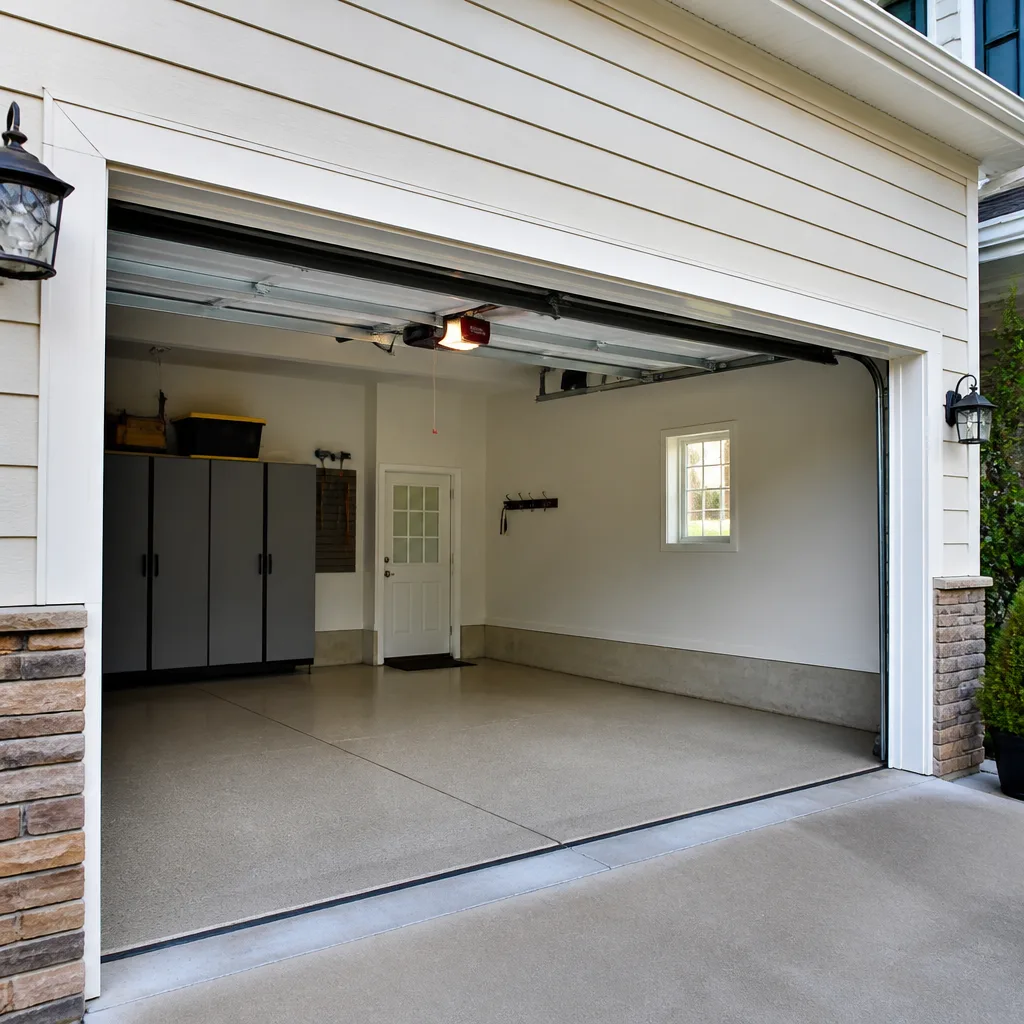 LiftMaster openers
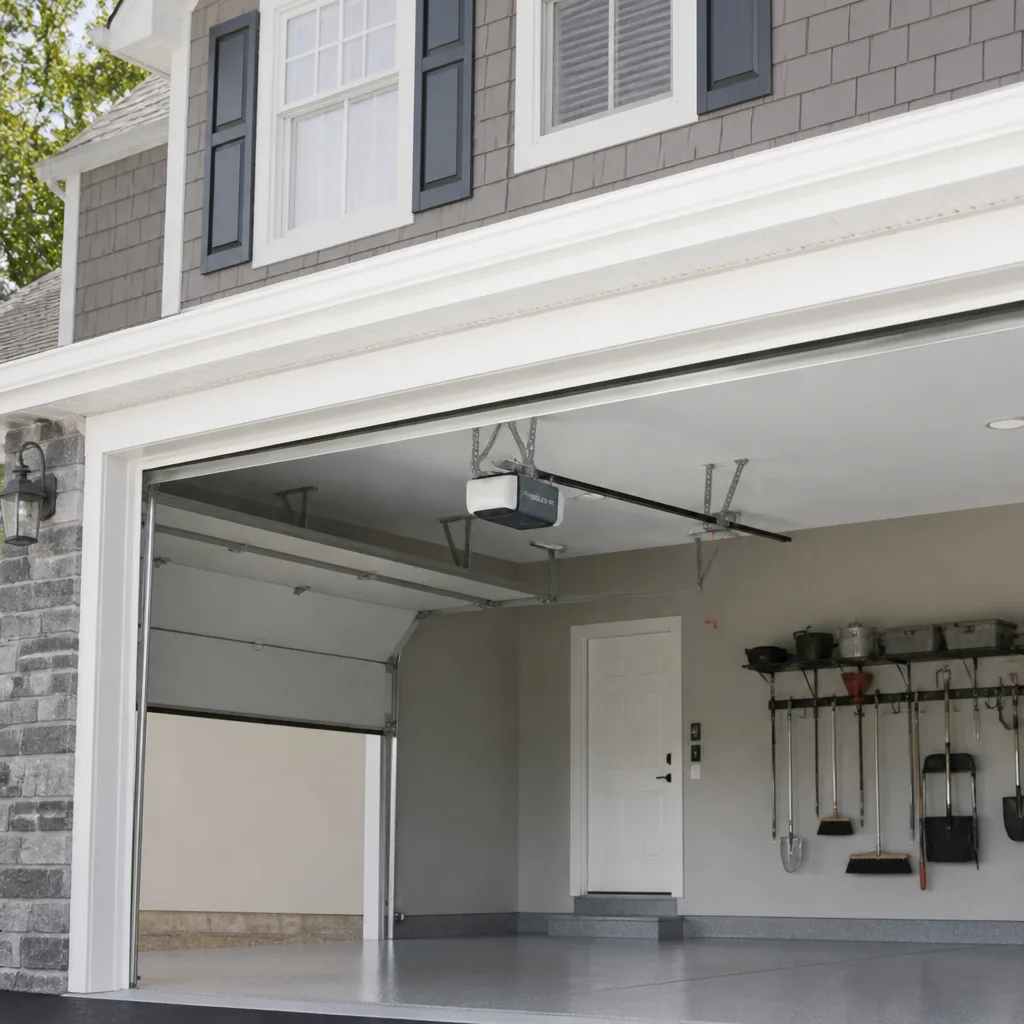 Chamberlain openers
Full 25-point door and opener safety check with every visit - springs, cables, rollers, tracks, and your LiftMaster or Chamberlain opener included
You get a price before we start. It does not change when the pro arrives.
Get your free estimateDIY vs Professional Garage Door: The Roseville Homeowner’s Decision Guide
Almost every Roseville homeowner who calls us about a garage door starts the conversation the same way: “I watched a video, and it really doesn’t look that hard.” And they’re usually right about the parts they can see. Weatherstripping is easy. Lubrication is easy. Re-pairing a remote takes two minutes. But the question isn’t whether you can handle the easy jobs, it’s whether you know exactly where the easy jobs stop. That line isn’t about how handy you are. It’s drawn by stored spring energy, by New Jersey contractor law, and by warranty language that voids coverage the moment the wrong person touches a torsion system. This guide gives you a straight answer on where that line sits for your specific door, your specific repair, and your specific budget.
Quick Answer
The honest answer is that most garage door work splits cleanly into two piles: safe DIY and never DIY. Weatherstripping, lubrication, safety sensor alignment, and remote programming are genuinely fine to do yourself. Anything involving torsion or extension springs, cables, drums, tracks that have bent under load, and new door installation requires a trained professional. In New Jersey, installation and some structural repair also carry contractor licensing and permit implications, and manufacturer warranties from brands like Clopay, LiftMaster, and Amarr commonly void coverage if installation or spring work is done by an unlicensed party. For springs, cables, and openers, call a pro. For everything soft and cosmetic, save the money.
Styles & brands we work with
- Raised-panel steel
- Carriage house
- Modern flush
- Full-view glass
- LiftMaster openers
- Chamberlain openers
Table of Contents
- Where the DIY Line Actually Sits
- Safe DIY Tasks in Roseville
- What Requires a Professional, No Exceptions
- NJ Code, Licensing, and Liability
- How Clopay, LiftMaster, and Amarr Handle DIY
- Real Cost Comparison: Five Common Roseville Repairs
- The Middle Path: Parts Yourself, Labor Hired
- Common Mistakes to Avoid
Where the DIY Line Actually Sits
Here’s the part most DIY guides skip. A torsion spring on a standard residential door holds the full weight of the door in stored rotational energy. When that spring is wound, it is under tension that would break a wrist or worse if released incorrectly. When it snaps under load, the energy releases in a fraction of a second. The reason professionals treat spring work with a specific, careful procedure isn’t caution for its own sake, it’s that the physics don’t forgive inexperience. A misjudged wind, a wrong-sized winding bar, or a poorly seated set screw can cause a serious injury to you or damage to your door in the time it takes to blink.
That’s why the DIY-versus-pro question shouldn’t be framed as “am I skilled enough?” It should be framed as “does this task involve stored energy, structural load, or a legal requirement?” If the answer to any of those is yes, the task belongs to a professional, regardless of how confident you feel.
For Roseville homeowners, this matters more than it does in a lot of towns. The area’s residential stock includes a mix of older homes with original extension spring systems and newer builds with modern torsion setups, and the two are handled completely differently. Working on one as if it were the other is one of the most common ways a small repair becomes a large one.
The three-question test
Before you pick up a wrench, ask:
- Is there stored energy? Springs and cables. If yes, stop.
- Does the door’s weight depend on the part you’re touching? Tracks, hinges, and rollers under load. If yes, get help.
- Does the job trigger a permit, license, or warranty requirement? Installation, opener replacement, and structural work. If yes, professional.
If none of the three applies, you’re in soft, safe DIY territory, and you should absolutely save the money.
Safe DIY Tasks in Roseville
The following jobs are within reach for most homeowners with basic tools and reasonable patience. None involve stored energy or structural load, and getting one wrong (short of a ladder fall) won’t hurt you or void a warranty.
Genuinely safe DIY list
- Weatherstripping replacement. The rubber or vinyl seal along the bottom of the door and around the frame. A sharp knife, some screws, an hour or two. Roseville’s freeze-and-thaw cycles wear bottom seals out faster than warm climates do, so this is a frequent small job here.
- Lubrication. Hinges, rollers, and the opener rail take a garage-door lubricant a few times a year. Never grease the tracks themselves; that attracts grit.
- Safety sensor alignment. If the door reverses on its own, check that the two sensor eyes on the bottom of the tracks are facing each other and clean. A bumped sensor is one of the most common causes of a door that suddenly won’t close.
- Remote programming. New remotes, keypad codes, and most smart-app pairings on LiftMaster, Chamberlain, and Craftsman openers are documented in your owner’s manual and easy to complete.
- Visual inspection. Look and listen. The door should run smoothly, quietly, and in a straight line. Anything new and loud deserves a look.
- Light bulb replacement and rail cleaning. Minor and safe.
- Panel wiping and paint touch-ups. Cosmetic and safe if the door is fully down and the power is disconnected.
If you’re in doubt whether a job belongs on this list, it probably doesn’t. And a quick call costs nothing to find out.
What Requires a Professional, No Exceptions
We’re not in the business of telling you everything needs a pro. Plenty of home repair tasks are worth doing yourself, and we’ll say so. But the following genuinely require a trained technician, and that’s not a marketing claim, it’s a description of the physics and the liability.
Never-DIY list
- Torsion spring replacement and winding. This is the highest-risk job in the trade. Different door sizes and manufacturers require different springs, different winding procedures, and different cycle ratings. Getting it wrong can seriously injure you.
- Extension spring replacement. Slightly less stored energy than torsion in the moment of failure, but still a snap-back hazard. Same rule applies.
- Lift cable replacement. Cables are under load and can snap violently. They also have specific routing that varies by door. A cable that’s serviced incorrectly can cause the door to fall.
- Track realignment after a door has come off the tracks. The door’s weight has to be supported while the tracks are reset. Doing this without proper support is a common way to damage panels or hurt yourself.
- Hinge and roller replacement on a loaded door. The bottom brackets and hinges take the full load and must be serviced with the springs relaxed.
- Opener replacement. Wiring, encoder, and force-safety sensor setup all have to be correct. A wrongly installed opener can fail to reverse on an obstacle.
- New door installation. Panel alignment, spring sizing, torque calibration, and frame anchoring all have to be right.
Spring repair in particular is a specialty, not a general handyman task. If you’re going to hire help on a spring, hire a company that does it as a dedicated service. A general contractor who handles a garage door “on the side” is exactly the wrong person to call for the highest-risk repair on the door.
We handle spring work as a core service, and we do garage door repair across the whole door system, so the same technician who diagnoses a snapped spring can check the cables, rollers, and opener at the same time. One call covers it.
NJ Code, Licensing, and Liability
New Jersey doesn’t have a single statewide “garage door license,” but that doesn’t mean there aren’t rules. Garage door installation and certain structural work typically fall under local building permit requirements, and the permit process usually requires the contractor performing the work to hold a Home Improvement Contractor (HIC) registration with the New Jersey Division of Consumer Affairs. Electrical work associated with a new opener circuit may require a licensed electrician. Rules vary by municipality, and Roseville is no exception, so the authoritative answer for your address is your local building department, not a video or a forum post.
What liability looks like if you DIY
- Injury on the job. If you hurt yourself working on your door, your homeowner’s insurance covers it, but only within your policy terms. A professional carries their own coverage.
- Injury to someone else later. If an improperly serviced spring fails and damages a vehicle or injures a family member, the liability lands on the person who did the work.
- Failed inspection at resale. Unpermitted structural work around the door can become a problem during a home sale inspection.
- Insurance claim complications. If a door-related loss occurs after unpermitted or unlicensed work, an insurer may scrutinize the installation history.
For soft DIY jobs like weatherstripping, none of this applies. For anything electrical, structural, or spring-related, the calculus changes quickly.
How Clopay, LiftMaster, and Amarr Handle DIY
This is where the DIY-versus-pro question gets expensive fast. Manufacturer warranties on doors and openers are written for professional installation. In practice, that means the warranty can be reduced or voided if the equipment is installed or serviced by a party that isn’t a qualified professional, and the details vary by brand and product line. A few examples of where problems show up:
Clopay
Clopay’s door warranties are typically written around professional installation, with provisions that the door must be installed per the manufacturer’s written instructions and local code. If a homeowner installs the door themselves and a panel or section fails, the claim can be denied on the grounds that installation wasn’t performed by a qualified installer. Clopay’s limited warranties also typically have cycle limits on springs and hardware, which are only honored when the correct matched components are used.
LiftMaster
LiftMaster’s opener warranties specify proper installation, and certain safety features (the reversing system, the photo-eye system) require correct setup to function. An opener installed with incorrect force settings, or without proper sensor alignment, can fall outside warranty coverage for related failures. LiftMaster also specifies the door-and-opener combination must be compatible; a mismatched pairing is a common reason a claim gets denied. We work with LiftMaster openers regularly, and the number of problems we see stem from incorrect setup rather than from the equipment itself is a big part of why we take opener work seriously. If you’re troubleshooting a newly dead opener, garage door opener repair is the right first call.
Amarr
Amarr warranties are similar: professional installation is expected, and coverage on springs, hardware, and painted finishes assumes the door was installed to spec. Where homeowners get tripped up is when a spring gets replaced with a non-Amarr-matched component during a DIY repair. That can invalidate the warranty on the spring and, in some cases, adjacent hardware.
The pattern across all three brands is the same. If you want the warranty to survive, the work has to be done by someone with the correct parts and procedure. We work on every major brand, including Craftsman, Raynor, LiftMaster, and Chamberlain, so the technician who shows up already knows the platform before they see the door.
Real Cost Comparison: Five Common Roseville Repairs
Here’s the honest cost picture, side by side. The DIY numbers are parts-only estimates for typical residential installations. The pro numbers are typical all-in ranges for Roseville; the written estimate you get before work starts is the final price, always. Every job begins with a quote agreed in writing before any tool comes out of the bag.
1. Broken torsion spring
- DIY parts-only: $30 to $80 for one replacement spring, but the wrong spring size will fail or break the door. A matched pair is usually replaced together, so parts run roughly double when both are due.
- Professional: $180 to $340 for one spring, roughly twice that for a matched pair. Includes matched springs, correct winding, cable and roller inspection, and balance test.
- Cost of a DIY mistake: A mis-wound spring can bend a shaft or distort the door. Correction typically runs hundreds more than the original repair.
2. Dead opener replacement
- DIY parts-only: $150 to $350 for a comparable unit and rail.
- Professional: $350 to $650 all-in, including removal, install, wiring check, force calibration, and safety reversing test.
- Cost of a DIY mistake: An opener installed without a working safety reverse is a real hazard and typically has to be redone.
3. Off-track door
- DIY parts-only: Not recommended for a door that has come off the tracks under load.
- Professional: $180 to $400 depending on whether tracks, rollers, or panels were damaged. Often same-day.
- Cost of a DIY mistake: Attempting to force a loaded door back on track can crack panels, which can turn a $200 repair into a $900 panel replacement.
4. Lift cable snapped
- DIY parts-only: $20 to $50 for a cable kit.
- Professional: $150 to $300, typically for both cables as a matched pair, including proper tensioning and balance.
- Cost of a DIY mistake: An incorrectly routed cable can drop the door or bend a shaft.
5. Weatherstripping replacement
- DIY parts-only: $20 to $60 for the bottom seal and any side or top seals.
- Professional: $150 to $300 if you’d rather not do it.
- Verdict: Safe DIY. Save the labor on this one.
The pattern is clear. Springs, openers, tracks, and cables belong in the professional column, not just because they’re harder but because the downside of a mistake is expensive. Weatherstripping and lubrication belong in the DIY column.
The Middle Path: Parts Yourself, Labor Hired
There’s a workable middle route that a lot of Roseville homeowners don’t know about. On certain jobs, buying the part yourself and hiring labor only can save money without compromising safety or warranty. But it only works if the job is one where (a) you’re confident you’ve identified the correct part for your exact door or opener model, and (b) the brand permits owner-supplied parts without voiding coverage.
Where the middle path works well
- Cosmetic panel replacement. If you’re replacing a single panel on a matched door and you can confirm the model number, buying it yourself and hiring the install saves a step.
- Opener rails or accessory kit upgrades. Adding a second remote, a keypad, or a Wi-Fi module to a compatible Chamberlain or LiftMaster opener.
- Bottom seals on unusual door sizes. If your door is a non-standard width, buying the seal yourself is often the fastest route.
Where it doesn’t work
- Springs. Spring matching is more precise than it looks. Getting a spring that fits but isn’t rated for your door is a setup for premature failure.
- Warranty-sensitive parts. If you’re inside a manufacturer’s warranty window, buy the part through a professional service to preserve coverage.
- Opener heads. A wrong or mismatched opener can trip safety sensors or fail to reverse correctly.
If you’re not sure which category your job falls into, call and ask. We’ll tell you honestly which side of the line it’s on, even if that means telling you to save the money and do it yourself.
Frequently Asked Questions
No. Replacing a garage door torsion or extension spring is not a safe DIY job because of the stored energy involved. The spring is holding the entire weight of the door, and it can release that energy in a fraction of a second. Hire a professional for this. Call (844) 443-4585 for a free estimate.
It can, especially on warranty-sensitive work like spring replacement or opener installation. Clopay, LiftMaster, and Amarr warranties are written around professional installation, and using non-matched parts or incorrect installation procedures can result in a claim being denied. Always check the specific warranty language for your model before DIY.
Permit requirements vary by municipality, so the correct answer for your address is your local building department. In New Jersey, installation generally involves building permit considerations, and the contractor typically needs to hold a Home Improvement Contractor registration. A professional installer should be able to walk you through what’s needed for your town.
Start with the safety sensors. If the door goes partway down and reverses, the two sensor eyes on the bottom of the tracks are either misaligned, dirty, or blocked. Clean them and check alignment first. If that doesn’t fix it, the door likely has a spring, track, or opener problem and needs a professional. Call (844) 443-4585 for a free estimate.
Sometimes, yes, but only if the opener is the correct model for your door weight and you’re confident in the compatibility. Most Roseville homeowners find they save very little once they factor in the rail kit, wiring, and warranty differences. It’s worth asking before you buy. Call (844) 443-4585 and we’ll tell you straight.
Emergency service for broken springs and doors stuck open is a core part of what we do, so it’s often handled the same day. If your door is stuck open and you can’t secure it, call (844) 443-4585 right away rather than waiting. Estimates are free.
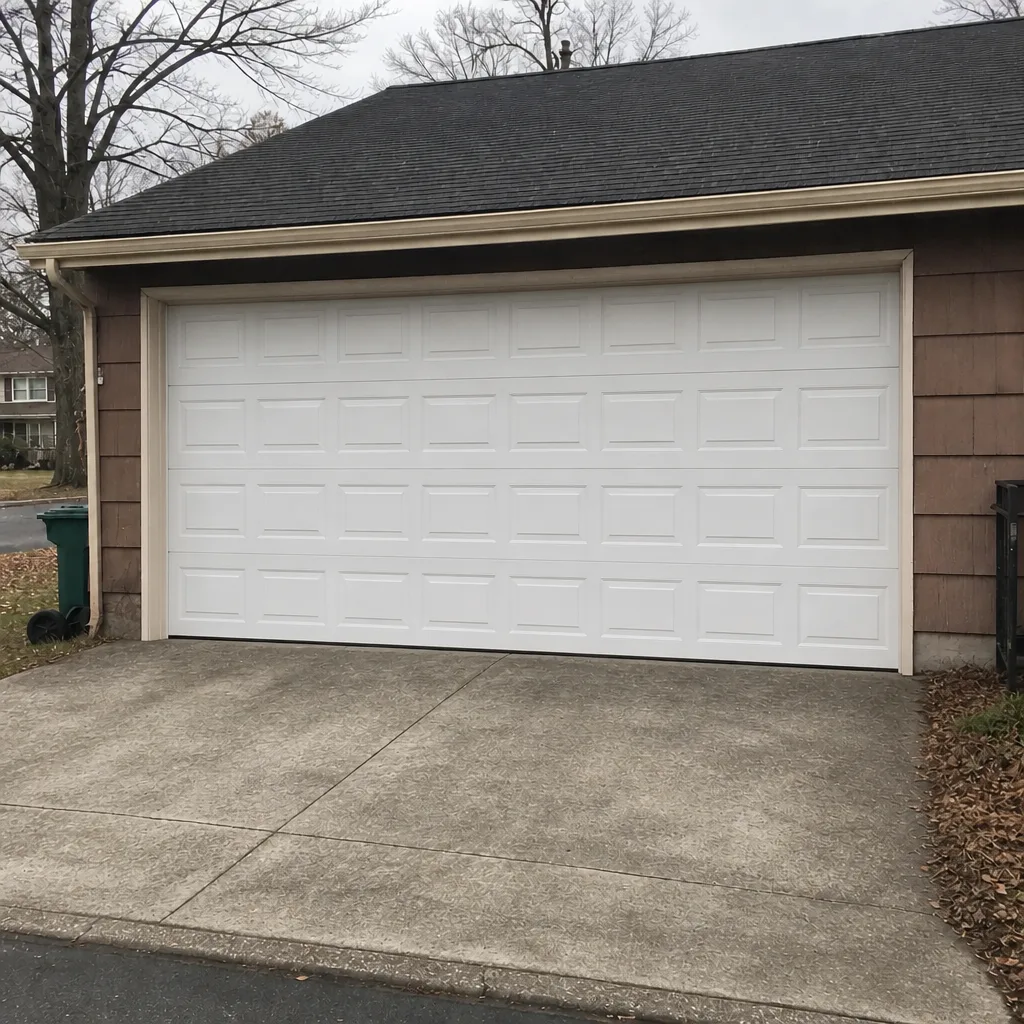
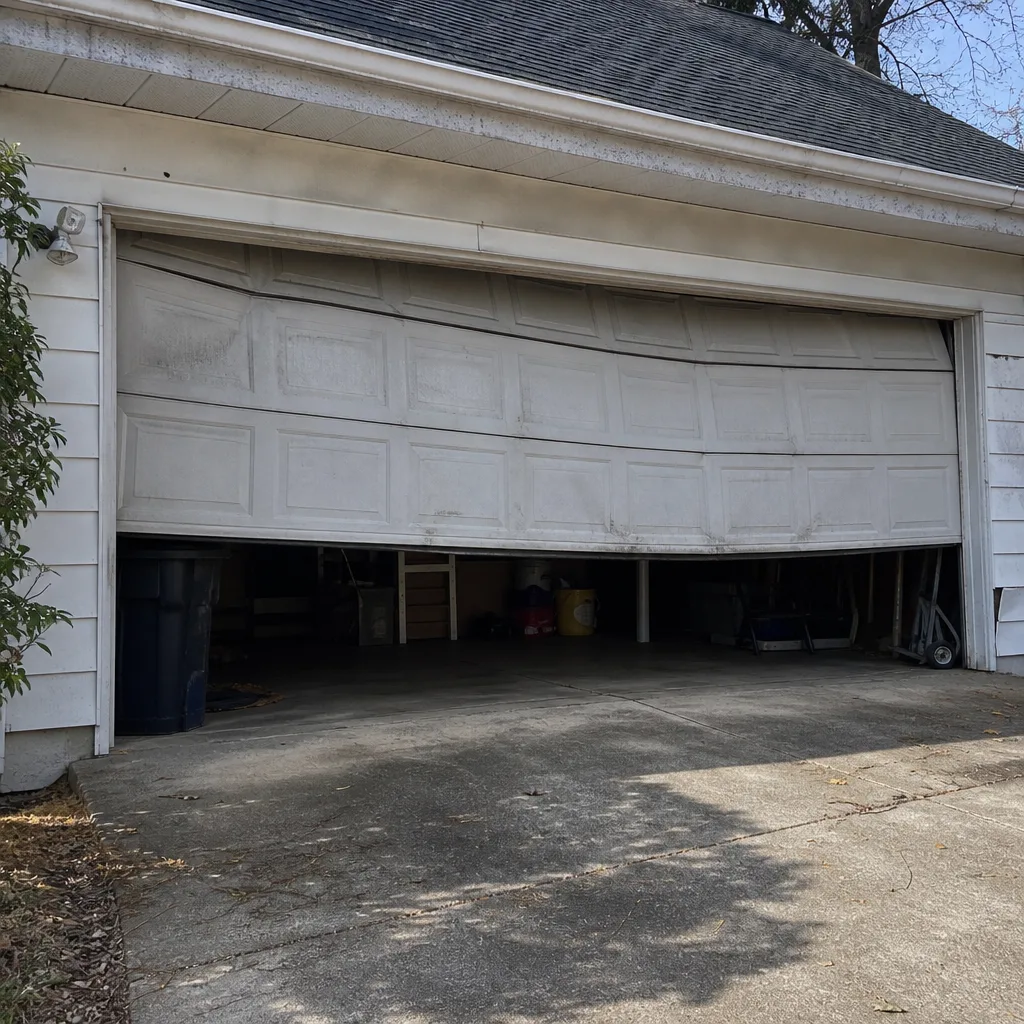
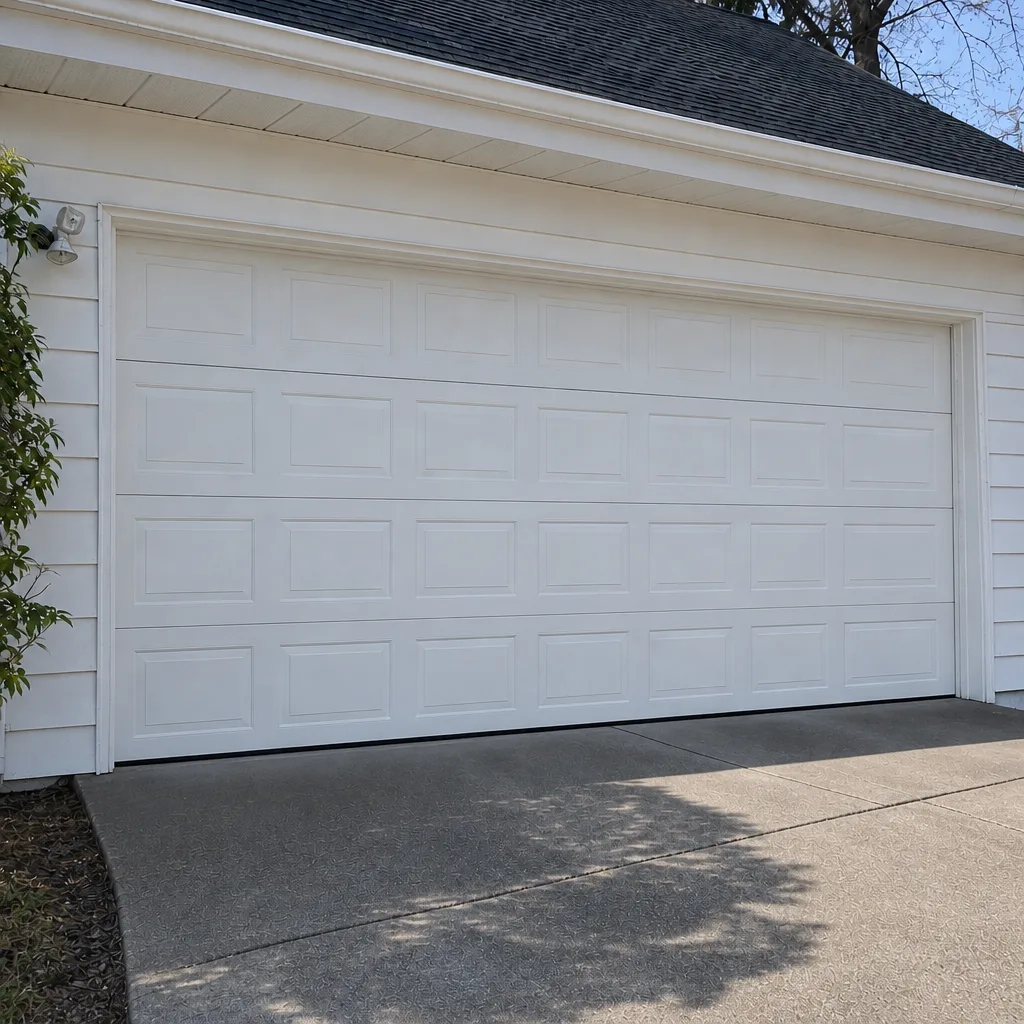
See the difference
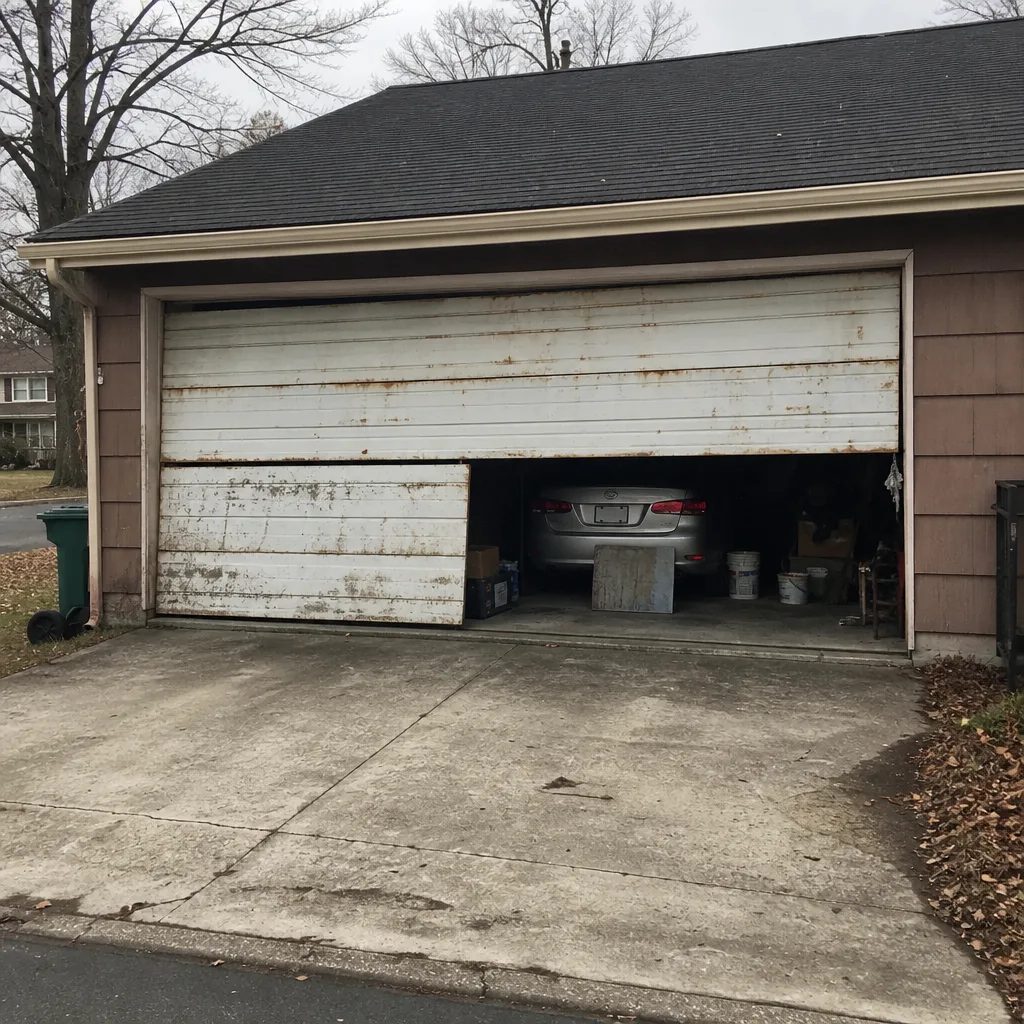 Before
 After
 Before
 After
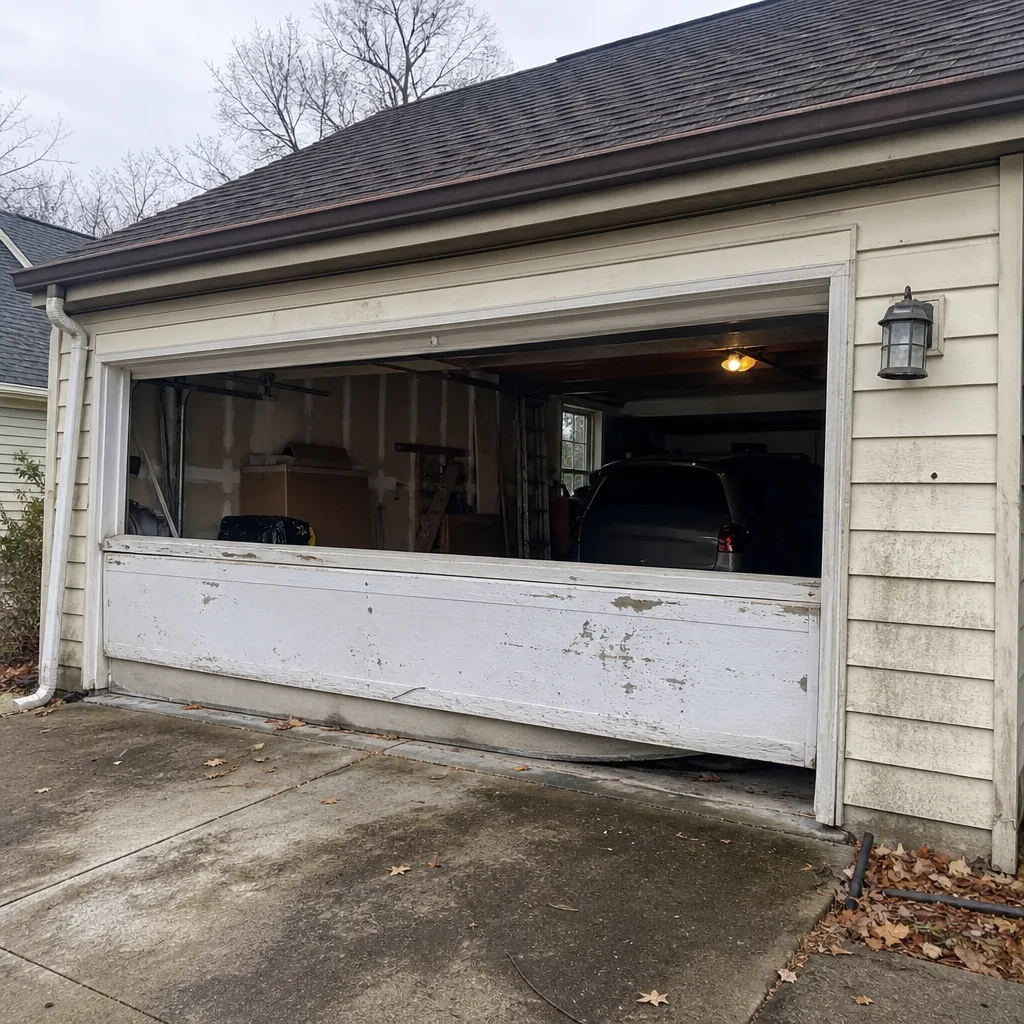 Before
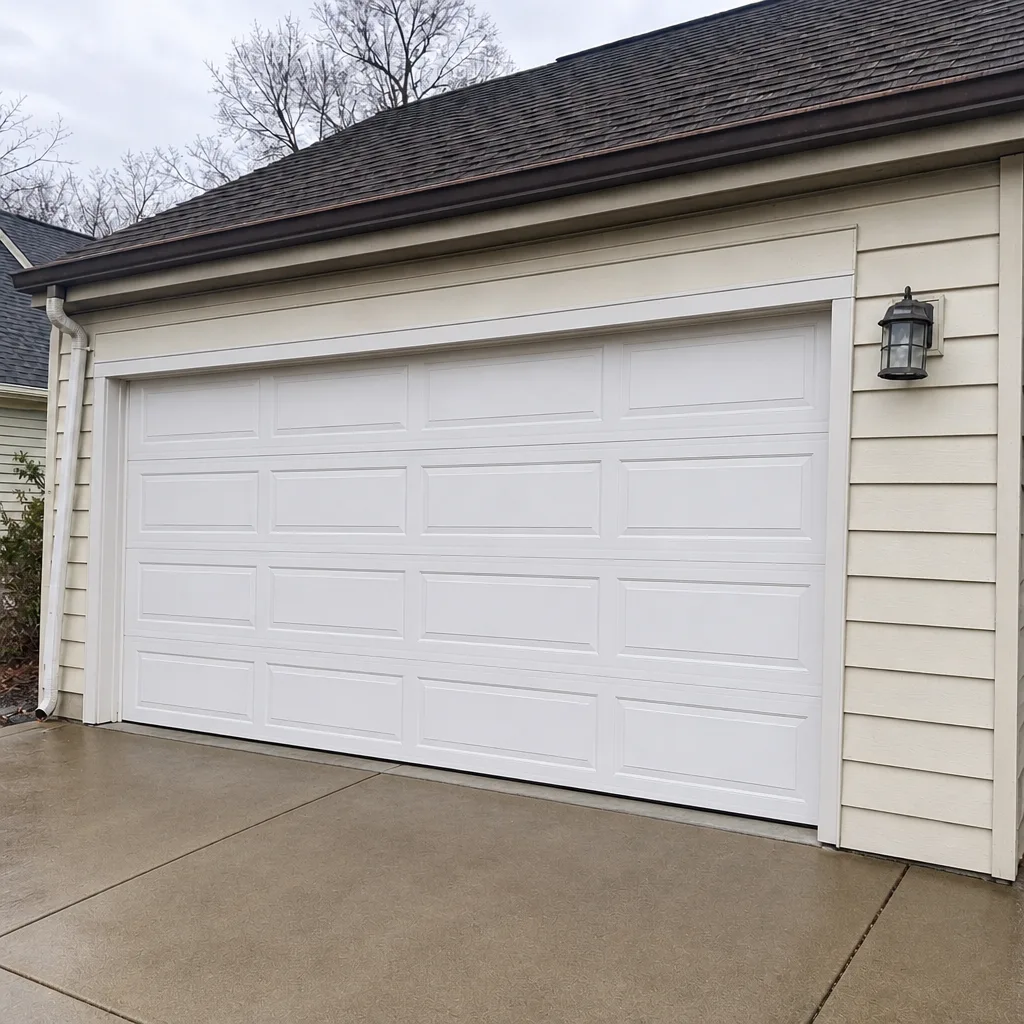 After
Common Mistakes to Avoid
- Winding a torsion spring without winding bars. Using a screwdriver or clamp as a substitute is a sure way to break a wrist. Winding bars are designed for this procedure and nothing else should be used.
- Greasing the tracks. A lot of homeowners assume “more grease is better.” It isn’t. Tracks attract grit and grease accelerates wear; lubricate the hinges and rollers instead.
- Replacing one spring of a matched pair. If both springs were installed at the same time, they’ve seen the same cycle count. Replacing just one puts the new spring under load imbalance and shortens its life.
- Buying an opener without checking door weight capabilities. A budget opener on a heavy door can fail under load or fail the safety reverse test. Match the opener to the door.
- Ignoring a small bend in the track. A bend that looks cosmetic this month becomes a door-off-track incident later. If a track is visibly bent, it should be assessed before the door is cycled again.
- Forcing a door that has come off the track. This is one of the most common ways a small repair becomes an expensive one. If a panel is off the track, call before you push.
- Disconnecting the opener but not the springs before doing any work on the door. The springs carry the weight, not the opener. Removing opener tension doesn’t make the door safe to work on.
When to Call a Professional
Call a professional any time the job involves springs, cables, tracks that have bent under load, opener wiring, or a door that has come off the tracks. That includes a snapped spring, a door that won’t close, a door that reverses on its own, an opener that grinds or hums without moving, and a visibly damaged panel or hinge. In all of those cases, the risk of injury or amplified damage is real, and the timeline is usually tight. For safety sensor adjustments, weatherstripping, and remote programming, save the money and handle it yourself. Roseville Garage Door Repair Pros offers free estimates in Roseville. Call (844) 443-4585 and we’ll tell you which side of the line your repair is on. If you’re planning a replacement rather than a repair, garage door installation is scheduled after a measure and a written price, not rushed through.
The Bottom Line
DIY versus professional for a garage door isn’t a question of whether you’re handy. It’s a question of whether the task involves stored spring energy, structural load, or a legal or warranty requirement. If any of the three applies, the answer is professional, and that’s most of the work on your door. Soft jobs like weatherstripping, lubrication, sensor alignment, and remote programming are within reach for almost any homeowner and worth doing yourself. Some specific upgrades work well as a hybrid of owner-supplied parts and hired labor. When you’re not sure which column your job belongs to, ask before you start. The done-in-an-hour repair that ends up costing more is the most common way a small job on a garage door becomes a big one. We work on every major brand, including yours, and the written estimate you get before work starts is the price you pay. Every job is quoted and agreed in writing, upfront.
Contact Us
If you’ve read this guide and you’re still not sure which side of the DIY line your Roseville garage door problem falls on, that’s the right moment to call. Springs, openers, panels, tracks, and new doors are all in our wheelhouse, and the estimate is free. Whether you need a repair today or you’re planning a replacement this season, we’ll give you a clear answer on what has to be done, what can wait, and what you can safely do yourself. Call (844) 443-4585 for a free estimate. Emergency service for doors stuck open or springs that have failed is a core part of what we do, and same-day repair is often possible. We’re your local specialists for Roseville Garage Door Repair Pros, and the answer you get on the phone is the same one you’ll hear when we see the door.
Written by the team at Roseville Garage Door Repair Pros.