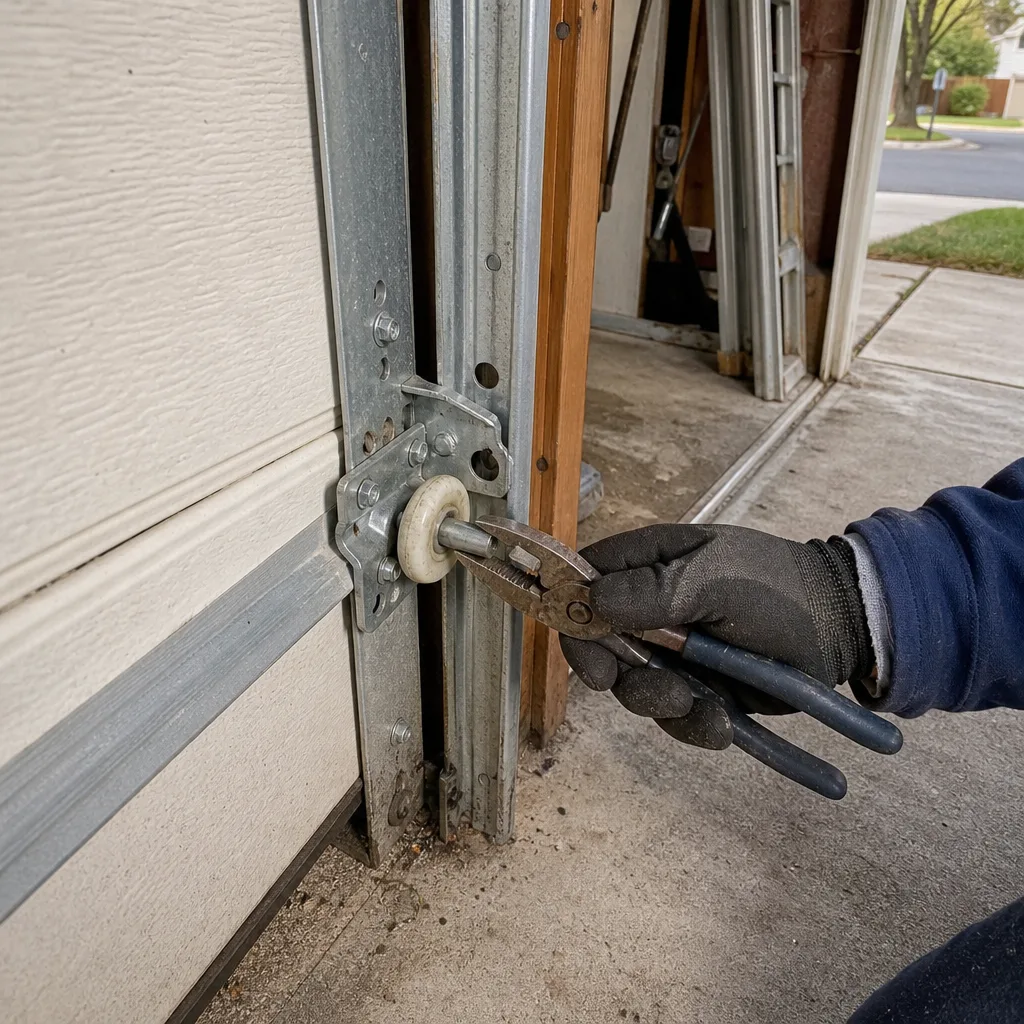
Last updated November 23, 2026
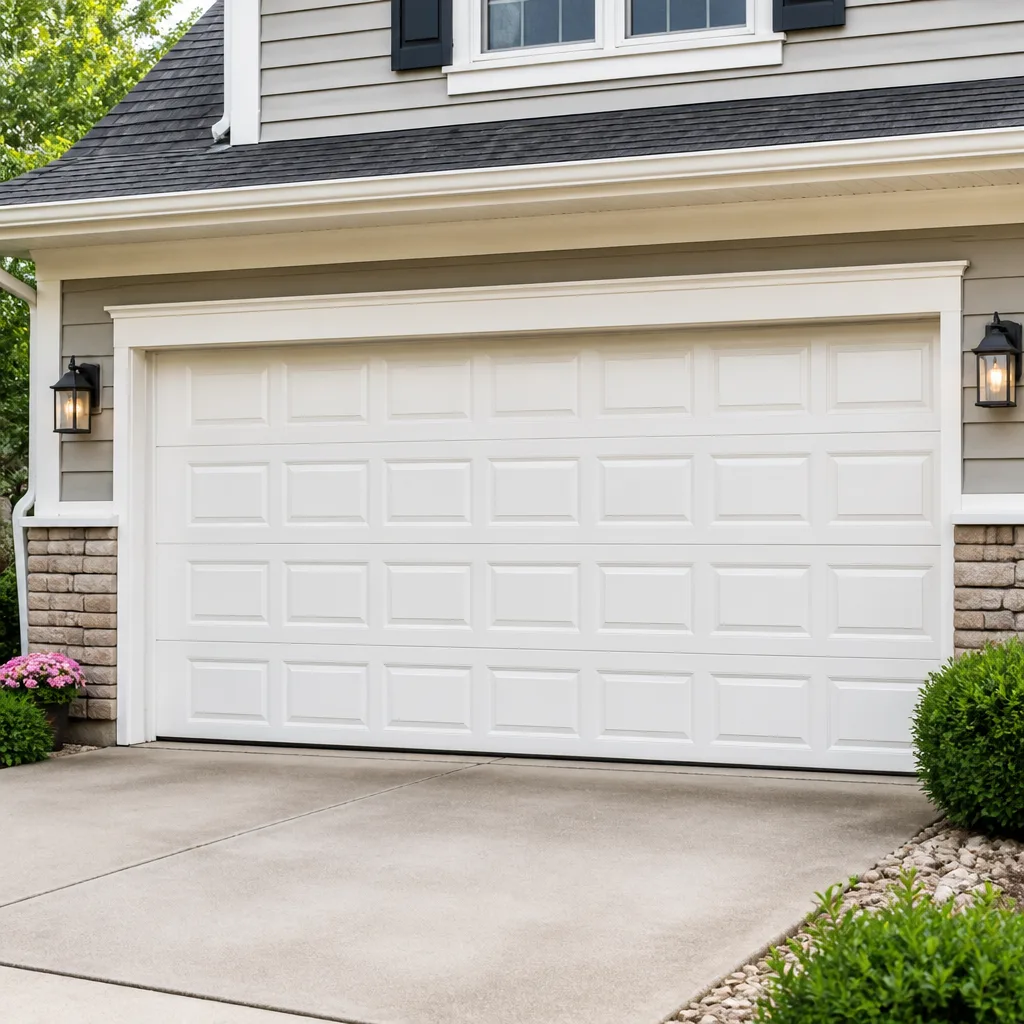 Raised-panel steel
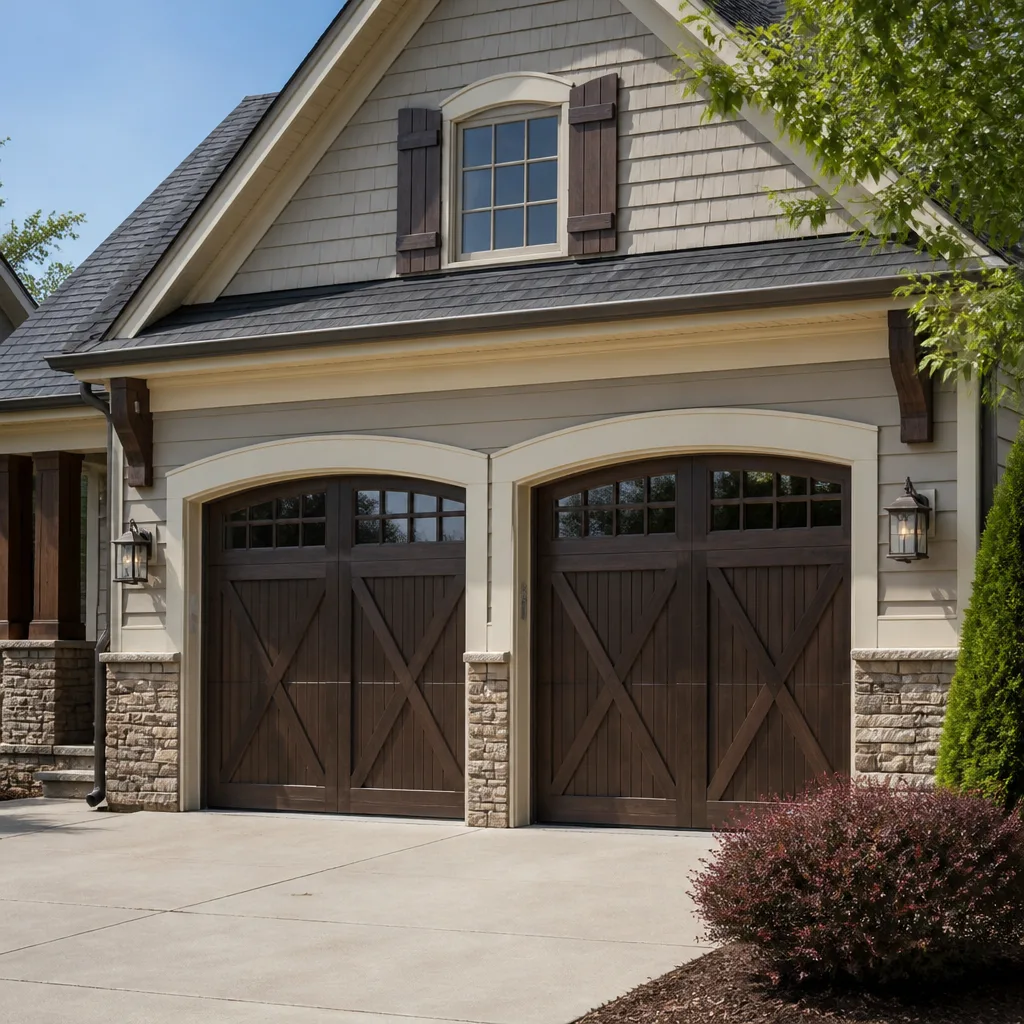 Carriage house
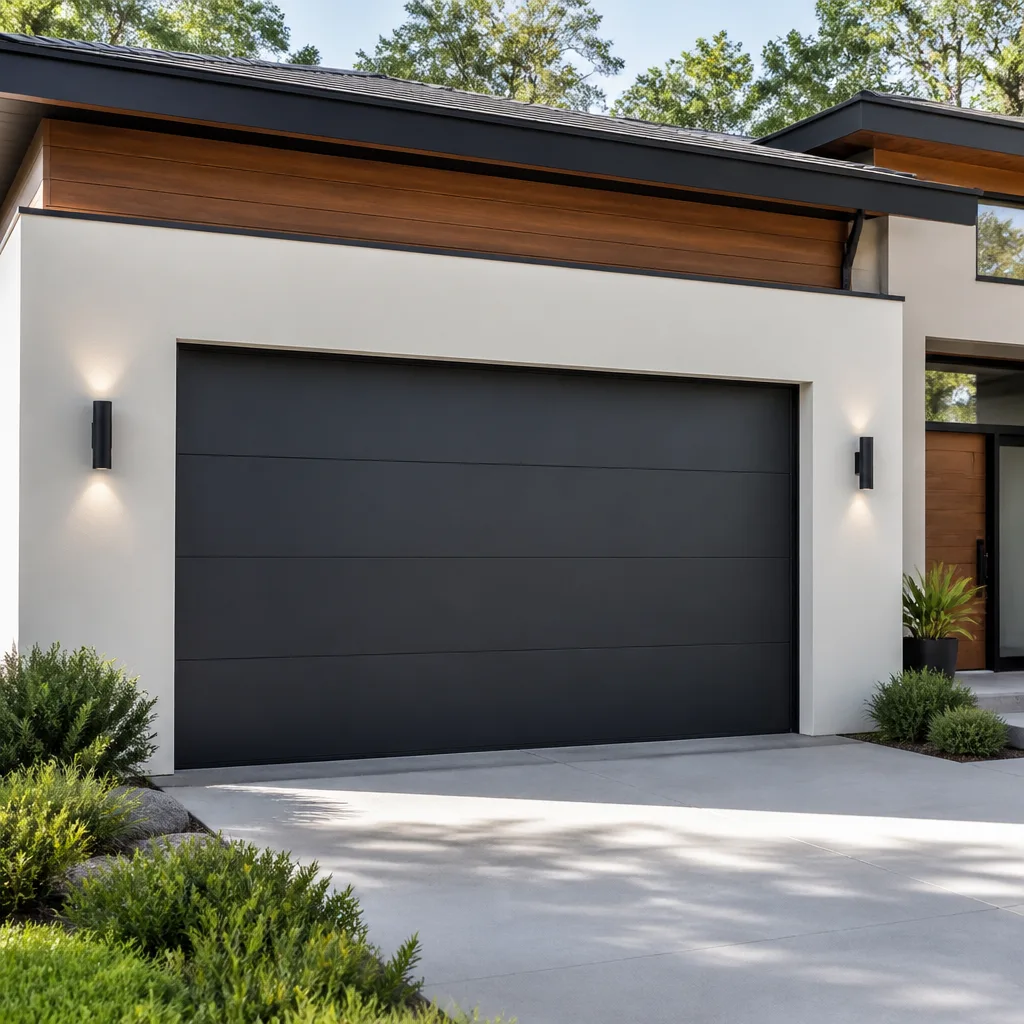 Modern flush
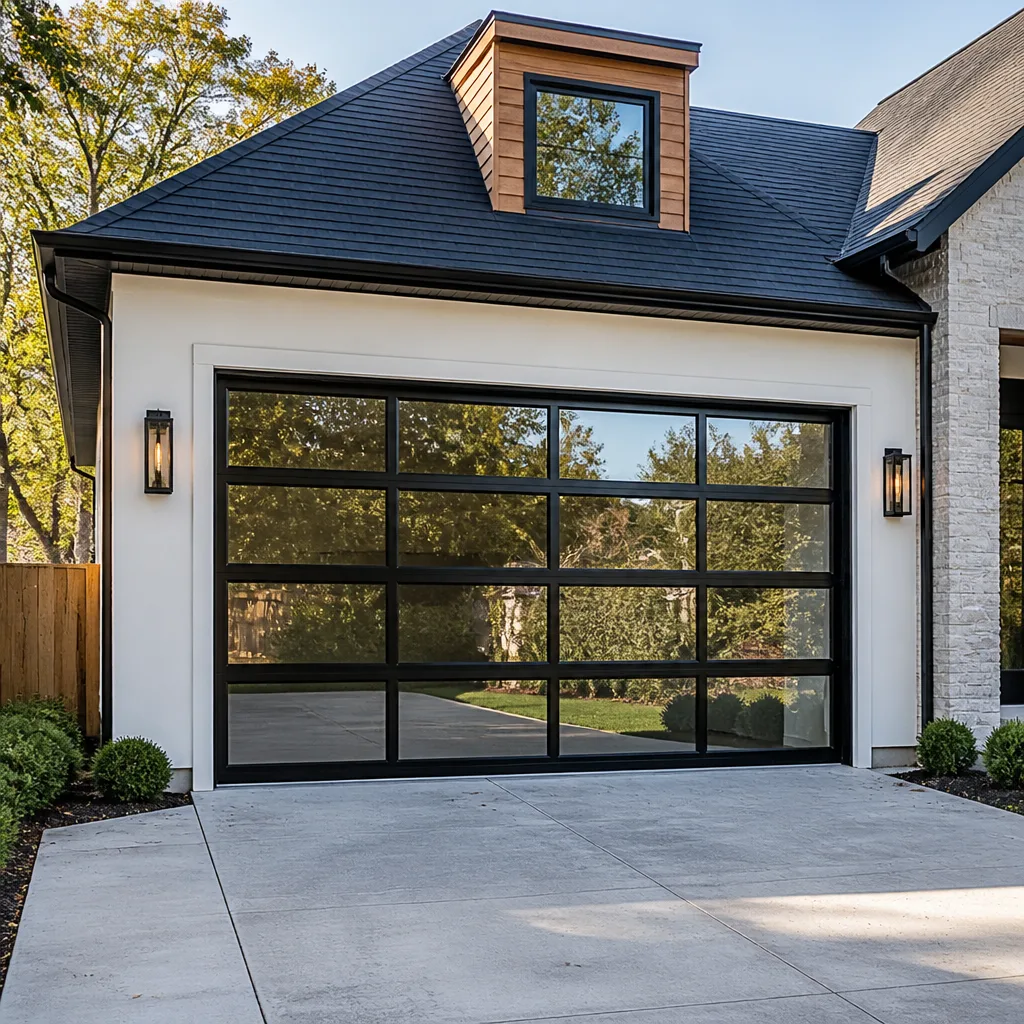 Full-view glass
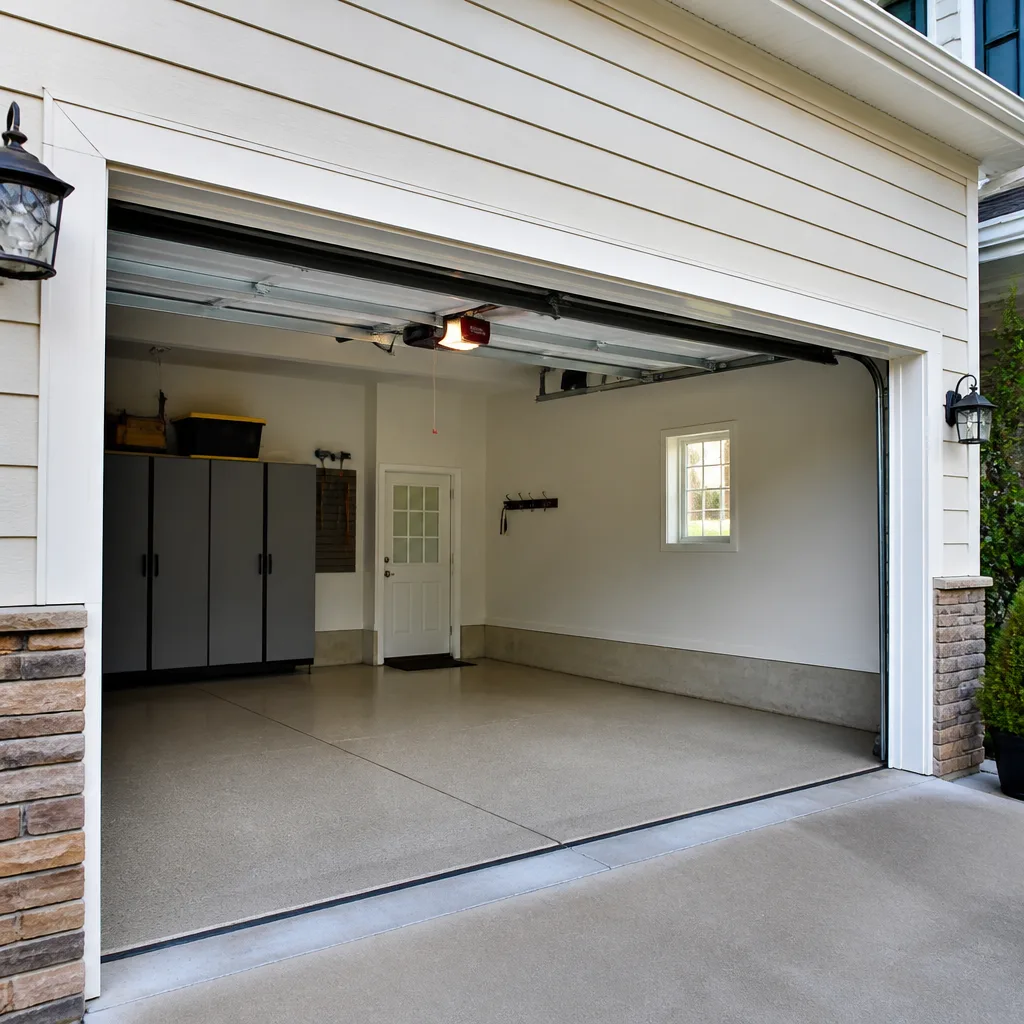 LiftMaster openers
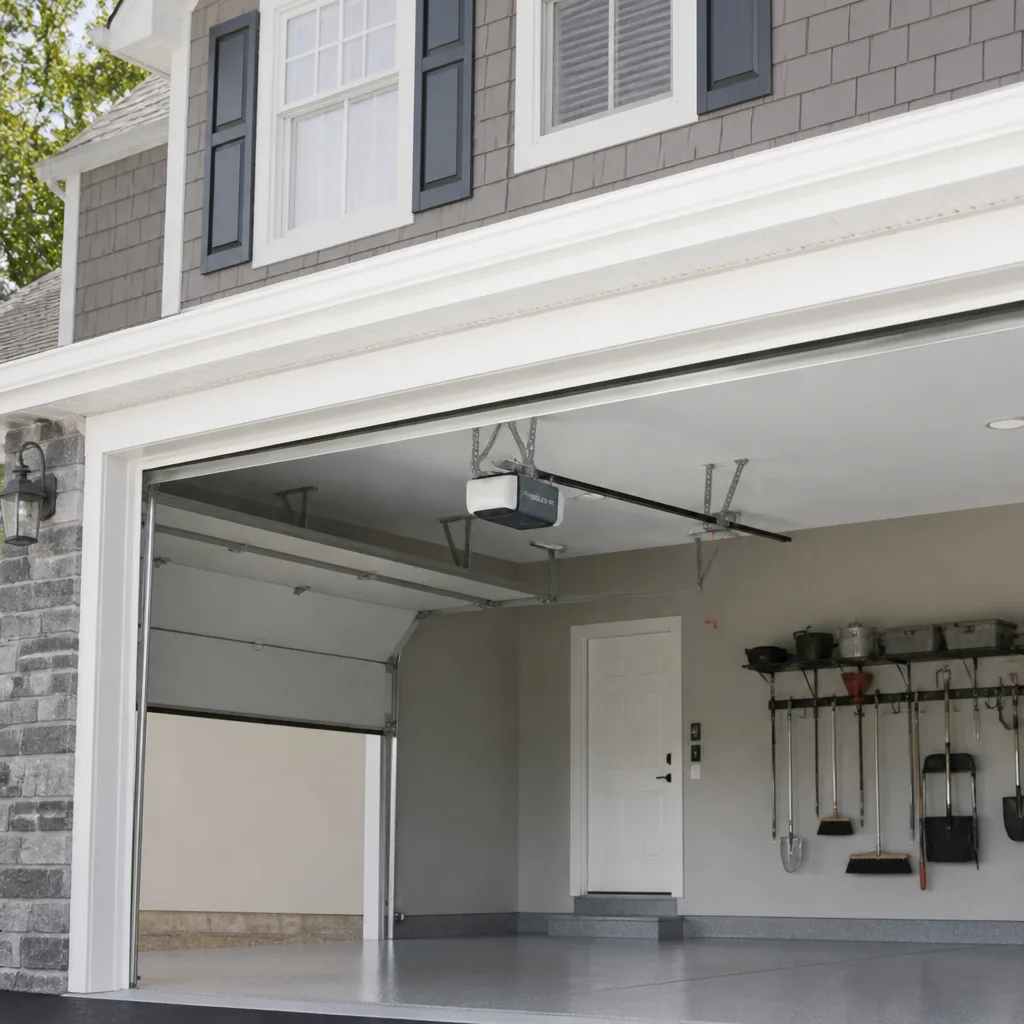 Chamberlain openers
Full 25-point door and opener safety check with every visit - springs, cables, rollers, tracks, and your LiftMaster or Chamberlain opener included
You get a price before we start. It does not change when the pro arrives.
Get your free estimateGarage Door Warning Signs: A Roseville Homeowner’s Reference Guide
A garage door doesn’t fail silently. Long before it stops working, it tells you something is wrong – through a grinding noise that wasn’t there last month, a bottom seal that hangs a little crooked, or a door that hesitates before it lifts. Most Roseville homeowners just don’t know what they’re hearing. That’s the misconception this guide corrects: it isn’t that garage doors give no warning, it’s that the warnings go unrecognized. What follows is a practical reference to the sound, visual, and mechanical signals that show up weeks before a breakdown, and what each one means. We’ll cover the noises and what they implicate, the visual tells that point to real mechanical problems, and the 60-second tests anyone can run to check spring and balance health before a break turns into an emergency.
Quick Answer
Garage doors give audible, visual, and mechanical warning signs for weeks before failing – grinding, squealing, popping, or rattling noises, an uneven bottom seal, dangling cables, and opener hesitation are the main early signals. Spotting them early in Roseville usually means a routine repair instead of an emergency call, because springs, rollers, and cables wear out gradually and announce themselves first. The one exception is a broken spring or a door off its tracks; that means stop using the door and call for service right away.
Styles & brands we work with
- Raised-panel steel
- Carriage house
- Modern flush
- Full-view glass
- LiftMaster openers
- Chamberlain openers
Table of Contents
- What Your Garage Door Noise Is Telling You
- Visual Warning Signs That Point to Real Problems
- Two 60-Second Tests That Reveal Spring Wear
- Opener Behavior That Signals Trouble Ahead
- Signs That Mean Same-Week Service
- Signs That Mean Stop Using the Door Immediately
- Why Brand Familiarity Speeds Up the Diagnosis
- Building a Baseline for Your Roseville Home
What Your Garage Door Noise Is Telling You
Every garage door makes some noise. The useful question is whether the noise has changed – a new grind, a sharper squeal, a pop that repeats. The type of sound points to the component. In our experience across Roseville, the noise is usually the first thing a homeowner notices and the last thing they act on, which is exactly backwards. Here’s how to read it.
Grinding
A low grind, often at the start of travel, usually comes from rollers or the track. Rollers wear flat over time and drag instead of rolling; a track can pick up grit or bend out of alignment. Grinding that gets worse month over month is a wear signal, not a one-time fluke. Older steel rollers are the usual suspect on a door that’s been in place several years.
Squealing
High-pitched squealing almost always means metal-on-metal friction. Rollers, hinges, and the torsion bar are the common sources. Some squealing is a lubrication and hardware-tightness issue – a technician can find it fast. A sharp squeal that appears suddenly on one side of a Clopay or Amarr door is worth checking before a roller seizes entirely.
Popping
A single loud pop can be a snapped spring. A repeating pop or clunk through the door’s travel can be a worn hinge or a panel flexing against a misaligned track. A pop that shows up in the same spot every time the door moves is mechanical binding, and it tends to precede cable and roller failure if left alone.
Rattling
Rattling is usually loose hardware – bolts, hinges, or brackets that have worked themselves free. Left alone, a rattle can turn into a component coming apart mid-cycle. It’s the easiest noise to fix and the easiest to ignore.
Visual Warning Signs That Point to Real Problems
You don’t need to run the door to spot problems. Walk out, stand in the doorway, and look – most of the important signs are visible while the door is down. Look for these in order.
Uneven gap at the bottom seal
If the gap under the door isn’t the same across the whole width, the door isn’t sitting level. That can mean a spring that’s losing tension on one side, a bent track panel, or a grounding issue. An uneven seal also lets air in – a small thing that adds up through a New Jersey summer and winter.
Asymmetric panel gaps
Panels should sit parallel to each other. If one side of a panel sits higher or the vertical seams don’t line up, the door has flexed. That’s often from an impact (a car bumper, a cart, a storm), and it stresses the hinges and rollers every time the door runs.
Cable droop
The cables should lie taut along the side of the door. A cable that sags or sits loose on the drum is a serious condition. A slack cable on one side means the tension system has lost balance – often because a spring has fatigued. Cables are under extreme tension and can snap without warning: never touch a slack or dangling cable. Leave it to a trained professional.
Worn rollers and loose hinges
Rollers should be round, not flat where they meet the track. Hinges should be tight with no visible gap at the pivot. Check the rollers on the first and last few inches of the track – those wear fastest because they take the load at the open and closed positions.
- Bottom seal test: get down at eye level and look across the seal for light gaps.
- Panel test: stand a few feet back and check the seams remain parallel.
- Cable test: look, don’t touch. A slack cable needs a technician.
- Hardware test: give each hinge a light wiggle, without tools.
Two 60-Second Tests That Reveal Spring Wear
The springs carry the weight of the door. When they weaken, they rarely fail all at once – they lose tension gradually, and the door’s behavior changes before it breaks. These two tests are safe for any homeowner to run and tell you whether to call for garage door repair before the spring breaks.
Test 1: The manual balance test
- Close the door fully and disconnect the opener using the release handle (pull it, don’t yank it).
- Lift the door by hand about halfway up and let go.
- A healthy door stays put – balanced. A door that drifts down is telling you the springs are tired.
- Reconnect the opener by running it once to re-engage the carriage.
This test tells you whether the counterbalance is doing its job. A door that can’t hold itself is working the opener harder than it should, which is why spring wear often shows up as opener problems too.
Test 2: The slow-open listening test
- Stand in the driveway, out of the door’s path, and run the opener with your eyes on the door, not your phone.
- Listen for speed changes – a door that starts fast then slows mid-travel is fighting the springs.
- Watch the top of the door. If it lifts unevenly, one side’s spring is doing more work than the other.
Do both tests once now, and again every few months. A baseline comparison is worth more than any single test; you’ll notice a change before it becomes a failure.
Safety caution: these tests involve the door and its springs at a distance. Never try to adjust, unwind, or replace a torsion spring yourself. They are under enormous tension and can cause severe injury – that’s a job for a trained technician with the right tools.
Opener Behavior That Signals Trouble Ahead
Half the “garage door problems” we look at in Roseville turn out to be opener problems, and half the opener problems turn out to be the door working the opener too hard. That’s why we cover both on the same visit – which means faster diagnosis, since we’re checking the door and the motor together rather than sending you to a second company for the opener. Look for these patterns.
Hesitation at the start
The opener’s motor should engage the door quickly. A delay between pressing the remote and movement means the motor is straining, the carriage is binding, or the door’s balance is off. A LiftMaster or Chamberlain unit that starts with a small jump and then moves is often reporting the door’s weight problem, not its own.
Reversal without obstruction
The door should reverse only when something blocks the safety sensors. If it reverses with a clear path, the sensor system is misaligned or dirty, or the opener’s force limit is set too low. Sometimes a reversing door on a Genie unit is actually fighting a worn spring – the door pushes down, the opener feels the resistance, and it treats it as an obstruction.
Remote lag
A sluggish remote is often just a weak battery, but if fresh batteries don’t fix it, the issue is usually the signal path or the logic board. This is common in homes with smart-home openers where the app still works but the remote lags – a sign the board is aging and worth a look before it fails completely.
If your opener behavior points to the motor or the logic board, garage door opener repair is the right call. We work on LiftMaster, Chamberlain, Genie, and Craftsman systems, including the app-connected models – the technician arrives knowing the platform, so the first visit is the diagnostic visit.
Signs That Mean Same-Week Service
Not every warning sign is an emergency. Some are “book it this week” – the door still works but something is wearing in a way that will get worse. These are the ones we’d call for within the week rather than wait on.
- New, repeatable noise: a grind or squeal that shows up at the same point in every cycle.
- Door drifts down in the balance test: tired springs tend to break, not repair themselves.
- Opener reverses with a clear path: a sensor or force-limit issue that needs adjustment.
- Uneven bottom seal: the door isn’t sitting level and the hardware is working off-axis.
- Panel flex after a bump: a bent panel or track that will stress the rollers if it cycles long.
- Remote or app lag that a battery change didn’t fix: the board is telling you something.
These are the signs that separate a routine repair from a Friday-night emergency. Spring wear in particular announces itself – a tired spring will hold for a while and then snap. Catching it in the “this week” window is what lets you choose your timing instead of having it chosen for you.
Signs That Mean Stop Using the Door Immediately
A handful of warning signs are not warnings – they’re stop signs. These are the ones where using the door risks damage to the door, damage to your car, or injury. If you see any of these, run the door manually only if the door is already closed and you can safely leave it, and call for emergency service. Do not cycle the opener.
- A snapped spring: a loud pop followed by a door that won’t lift, or lifts just a few inches, means the spring is broken. The opener can’t safely lift the door without it.
- A slack or dangling cable: cables are under extreme tension. Do not touch one, and keep anyone else away from it.
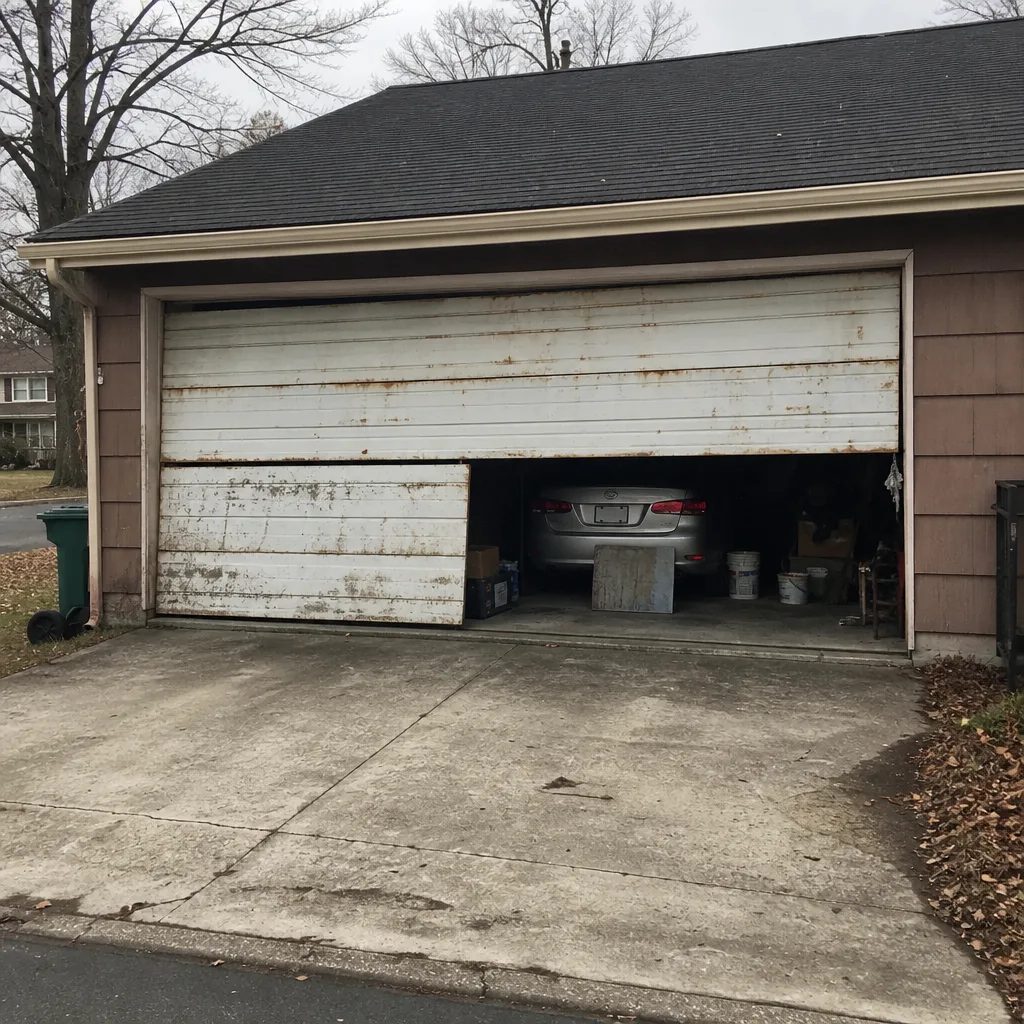
- A door off its tracks: a door hanging at an angle or with the edge out of the track is a falling hazard. Stop using it.
- A door that closes crooked or lurches: if the door drops or slams on one side, the balance system has failed.
- A door stuck halfway: a door stopped mid-travel is under unequal load. Don’t force it – that’s when cables and tracks get damaged.
This is where emergency service matters. We offer emergency service for exactly these situations in Roseville – a door stuck open, a door that won’t function, a car blocked in the garage. It’s a core part of what we do, not something we tack on when there’s nothing else on the schedule.
Why Brand Familiarity Speeds Up the Diagnosis
The brand on your door and opener changes how a diagnosis goes. A technician who works on your system regularly knows its hardware, its failure patterns, and which parts it takes – which means the first visit is usually the diagnostic visit. We service eight of the most widely installed garage door and opener brands in North America: LiftMaster, Chamberlain, Genie, Clopay, Amarr, Wayne Dalton, Craftsman, and Raynor. Each one has its own language.
- Clopay and Amarr doors: their panel and hinge construction determines how flex and track misalignment show up.
- LiftMaster and Chamberlain openers: the logic boards and force settings have specific reversal signatures.
- Genie and Craftsman openers: older units in particular have motor and sensor patterns worth knowing.
- Wayne Dalton and Raynor: spring and track configurations that affect how a door balances.
It isn’t about a logo on the door. It’s that the first visit is diagnostic for a technician who already knows the platform, so you’re not paying for someone to figure it out. If a warning sign has gone far enough that repair isn’t the answer, we also handle garage door installation – a new door measured, ordered, and fitted by the same people who diagnosed the old one, so you’re not starting over with a second company.
Building a Baseline for Your Roseville Home
The single most useful thing you can do this week is establish a baseline. Run the door once with your full attention – listen, watch, and compare. Note the noise it makes, whether the seal sits level, and how fast the door starts and finishes its travel. Then do it again in a few months. A change from your own baseline is a better warning than any generic checklist, because it’s your door, your climate, and your hardware.
Roseville homes see a real seasonal swing – hot summers, cold winters, and spring and fall with wide day-to-night temperature shifts. Garage doors sit in those swings all year. Metal expands and contracts, wood moves, springs cycle through load every single day, and lubricant dries out between seasons. Doors that get used daily wear faster than doors that sit mostly closed, and a door that carries two cars in and out of a busy household is working hard by any standard. Putting a note on the calendar to run the two 60-second tests in spring and fall, and again after any cold snap, catches most of what we see in Roseville before it becomes a failure.
If you want a starting point, our main page for Roseville Garage Door Repair Pros and the repair team cover both the door and the opener in a single call – no need to split the diagnostic between one company that knows motors and another that knows doors.
Common Mistakes to Avoid
- Greasing everything. Slapping lubricant on every hinge, roller, and track can attract grit and mask a worn roller. The right amount on the right parts makes a difference; too much on the wrong ones makes a mess and a problem worse.
- Ignoring a noise because the door “still works.” A door that opens fine can still be running on a spring that’s about to break. The noise is the warning; “still works” is not the all-clear.
- Adjusting the opener force limit to get past a reversing door. If the opener reverses on a clear path, raising the force setting treats the symptom. It can also let the opener force a door that shouldn’t move, which risks damage and injury.
- Touching a slack cable. Cables are under extreme tension and can snap without warning. A sagging cable is a look-only, call-a-technician situation – nothing about it is a DIY fix.
- Calling a handyman because a garage door “is just a door.” Springs, cables, and balance systems are some of the highest-risk repairs in the trade. A generalist who handles doors on the side may not have the tools or the training for a torsion spring, and a door left off balance wears everything else faster.
- Waiting for a door to break before learning your system. Most Roseville homeowners couldn’t name their opener brand or spring type. Two minutes of checking the labels on the door and opener saves time on every future call.
- Forgetting the sensors during the visual check. Dirty or misaligned safety sensors cause more “phantom reversal” calls than any other opener issue. Wiping them and checking alignment is a quick part of any monthly walk-around.
See the difference
 Before
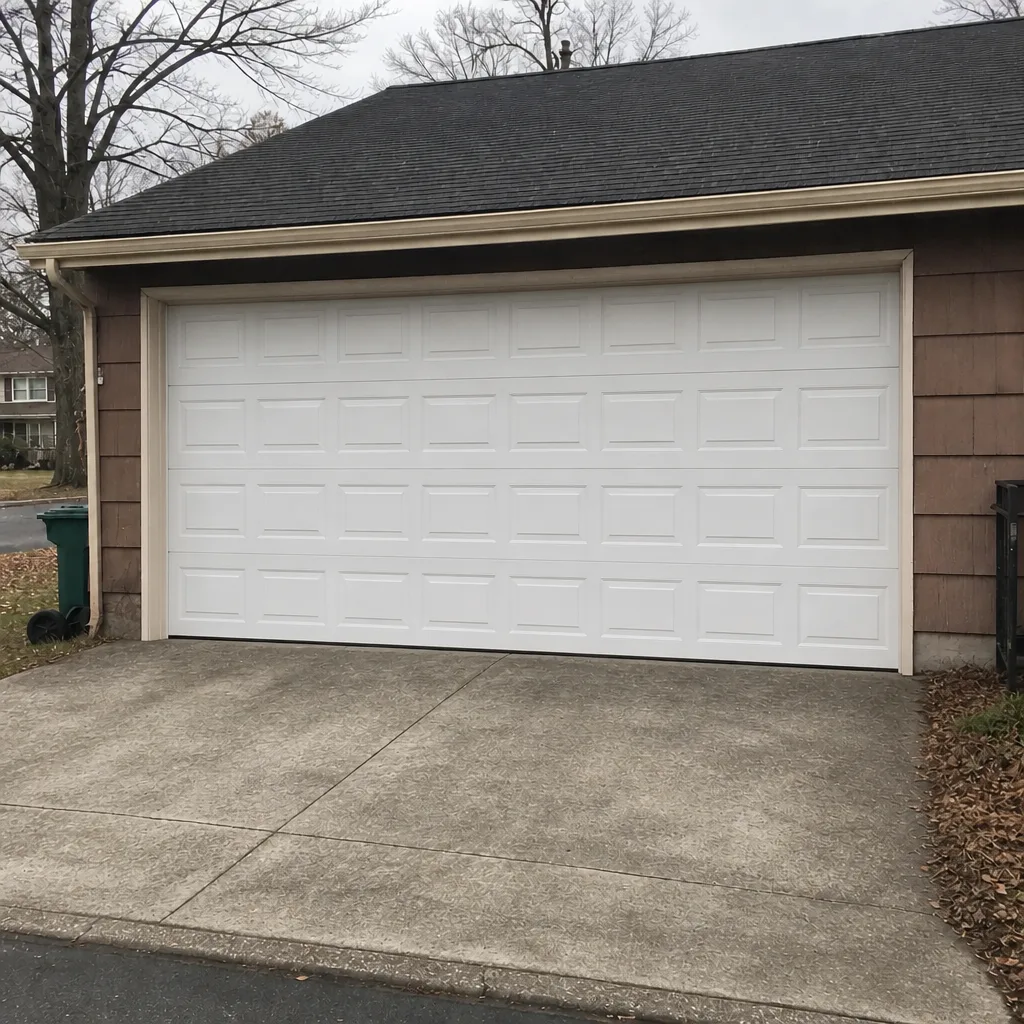 After
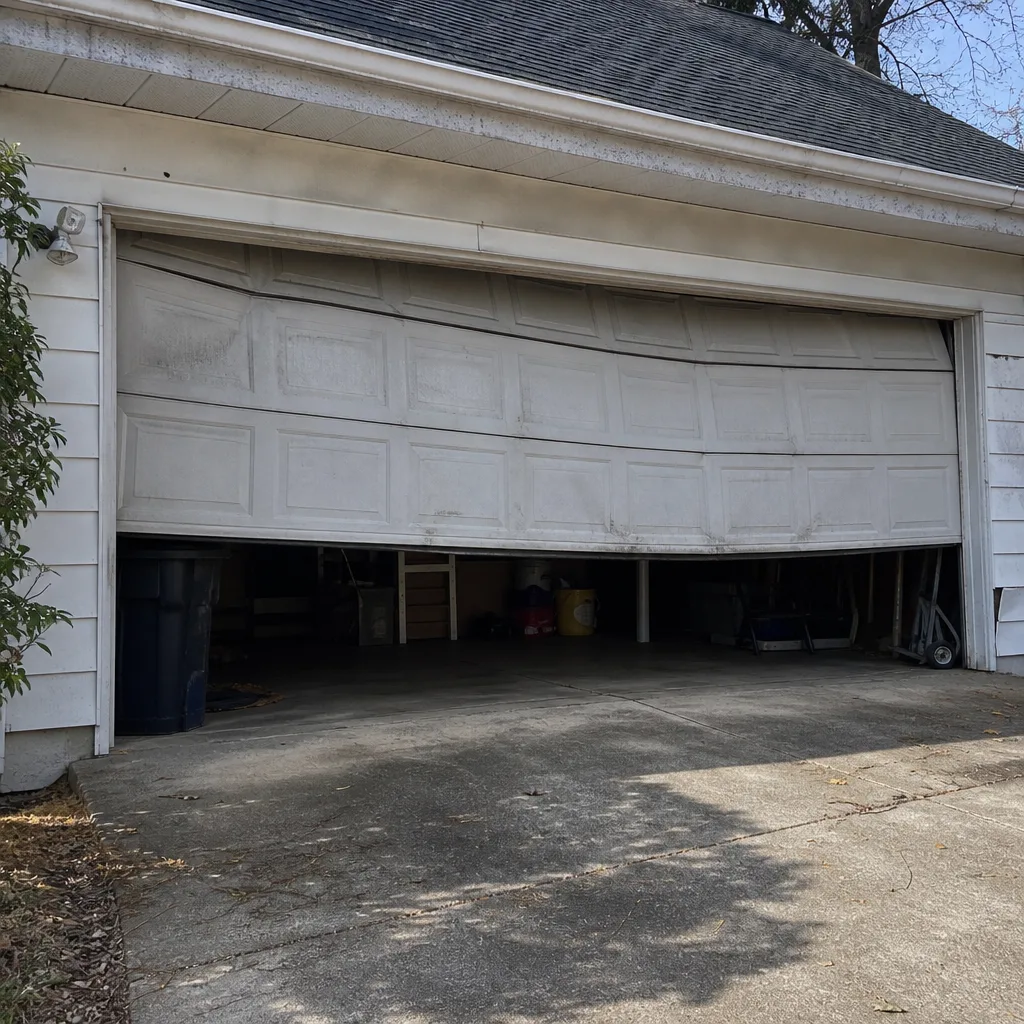 Before
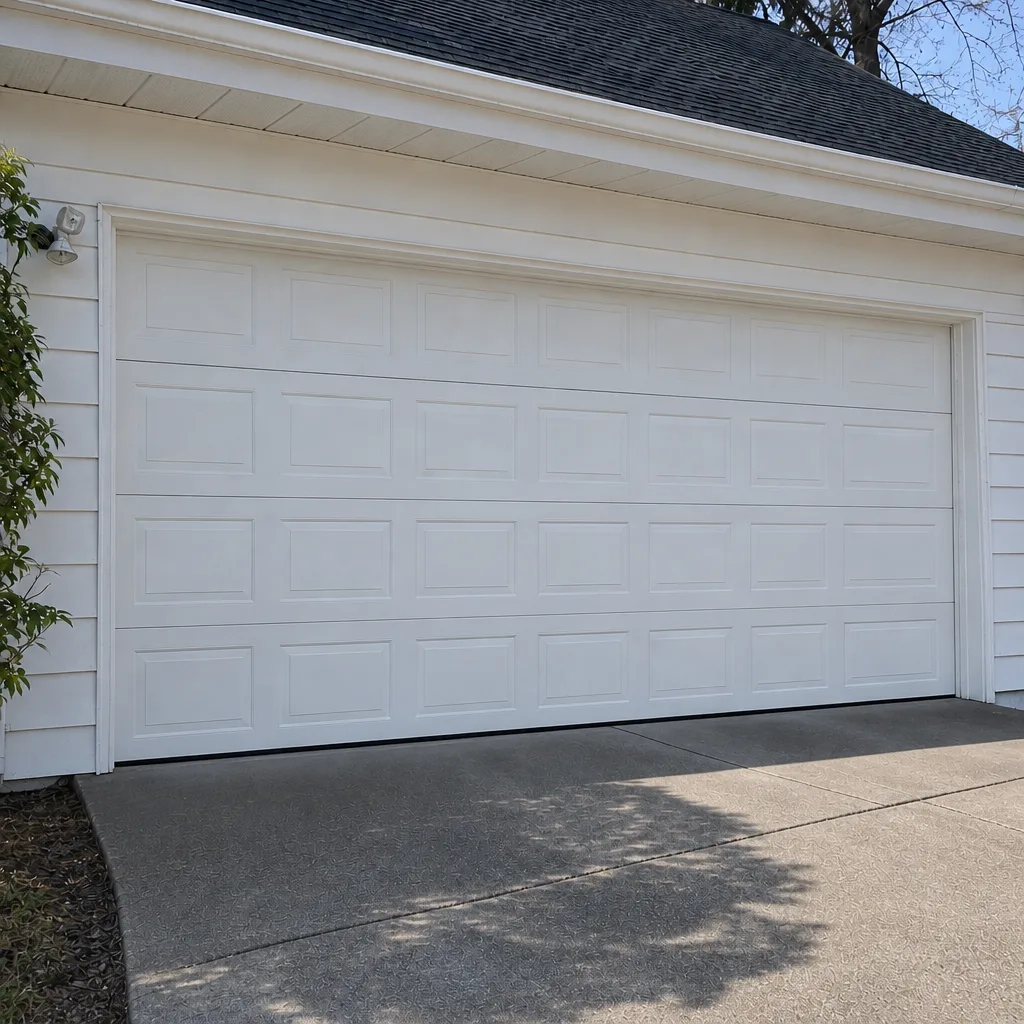 After
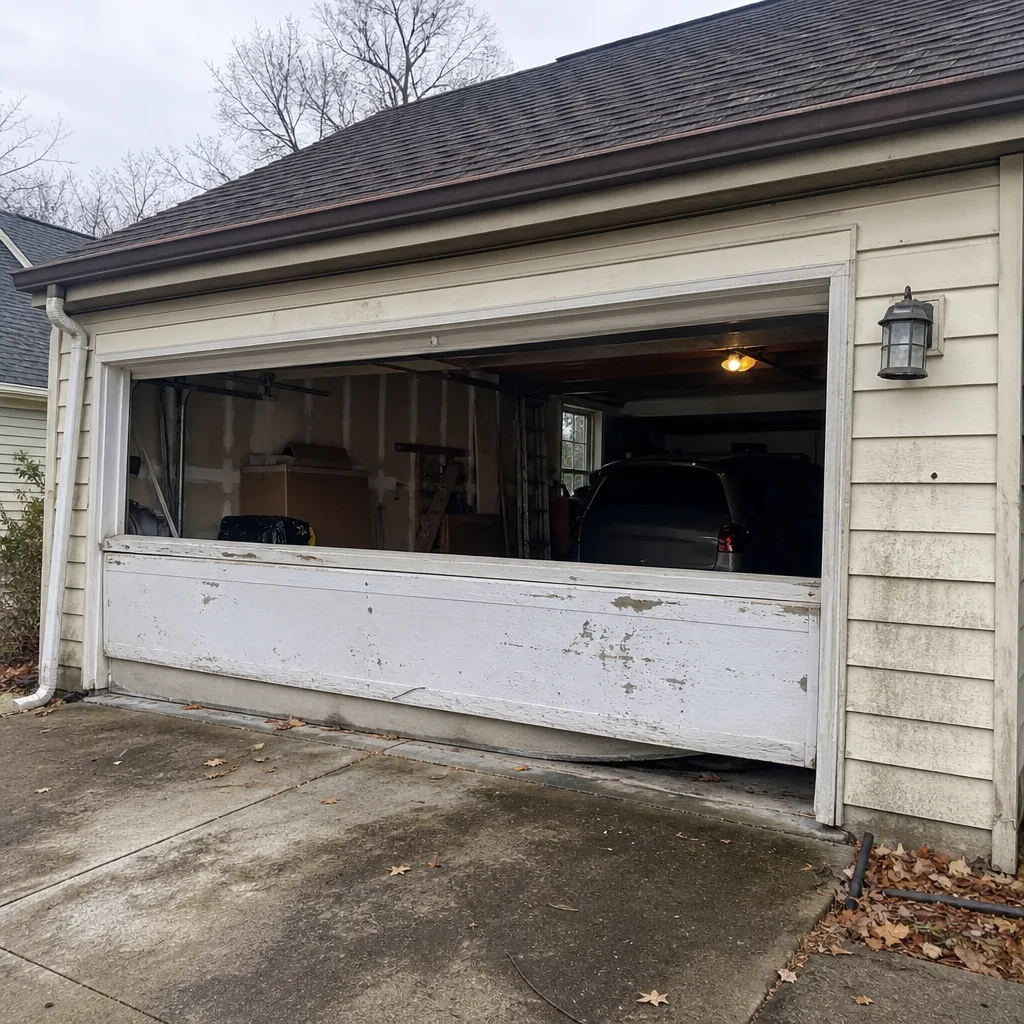 Before
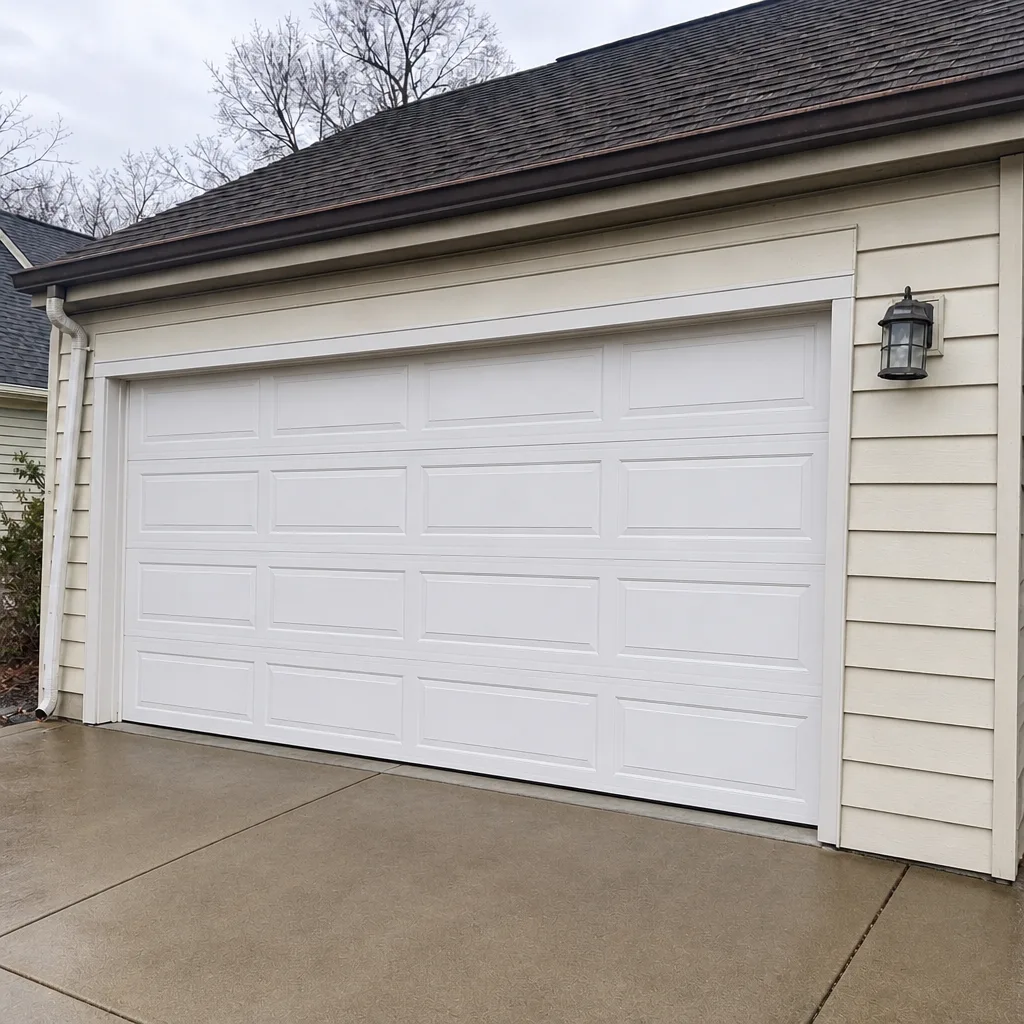 After
When to Call a Professional
Call when the warning sign has crossed from cosmetic to mechanical. A snap or pop followed by a door that won’t lift means a broken spring. A visible slack cable, a door off its tracks, or a door hanging crooked means stop and call now – those are safety situations, not maintenance items. A new repeatable noise, a door that drifts in the balance test, or an opener that reverses with a clear path means book a visit this week rather than waiting. If you’re not sure which category you’re in, describe the symptom when you call and we’ll tell you whether it’s same-day or a scheduled visit. Roseville Garage Door Repair Pros offers free estimates in Roseville – call (844) 443-4585 and we’ll take it from there. The written price is agreed before any work starts, so there are no surprises when the job is done.
Frequently Asked Questions
A new or worsening noise is usually the first sign – a grind, a squeal that wasn’t there before, or a pop at the same point in each cycle. In our experience, the noise shows up weeks before the failure, which is exactly the window where repair is cheaper and simpler. If the noise is accompanied by an uneven bottom seal or a slack cable, call right away: call (844) 443-4585 for a free estimate.
No. A door with a broken spring should not be cycled with the opener – the opener isn’t designed to lift the full weight of the door and can be damaged along with the door hardware. Keep the door where it is if that’s safe, and call for emergency service. In Roseville, a stuck door that blocks a car out of the garage is exactly the kind of situation our emergency service is for.
Grinding usually means worn rollers or a track that has picked up grit or bent out of alignment. A technician can identify which by sound and a quick visual check – rollers that have gone flat are a straightforward replacement, and a misaligned track can often be straightened before it damages the panels. Don’t ignore a grind that’s getting louder: call (844) 443-4585 for a free estimate.
A visual and listening check monthly, and a full balance and safety check twice a year – spring and fall – catches most of what we see in this area. Roseville’s seasonal swings put doors through regular expansion, contraction, and heavy cycling, so a spring and fall rhythm matches how the hardware actually wears here. Add a check after any cold snap or after a bump to the door.
It can be either. Reversal with a clear path is often a misaligned or dirty sensor, but it can also be a worn spring or a binding track that the opener feels as resistance. That’s why it’s worth checking both in one visit – our opener service covers LiftMaster, Chamberlain, Genie, and Craftsman, and we test the door’s balance at the same time. Call (844) 443-4585 for a free estimate.
No – the price is quoted and agreed before any work starts, and the written estimate sets the final price. A diagnostic visit identifies what’s wrong; you’ll get a clear price for the repair before the technician begins. If the job turns out to be something different, that’s a new conversation before work starts, not a surprise invoice afterward. Call (844) 443-4585 for a free estimate.
The Bottom Line
A garage door announces itself before it fails: sounds that change, visual signs that point to wear, an opener that hesitates or reverses, and a balance test that says the springs are tired. Catching those signs is what turns an emergency into a routine repair. Run the two 60-second tests on a schedule, treat a snapped spring or a slack cable as a stop signal, and call a specialist rather than a handyman when a real mechanical issue shows up. In Roseville, that call can cover the door and the opener in one visit, with the price agreed before any work starts.
Ready to have a warning sign checked before it becomes a failure? Call Roseville Garage Door Repair Pros at (844) 443-4585 for a free estimate. Our technicians have up to 9 years of experience, and we work on every major brand – springs, openers, panels, tracks, and new doors. One call covers it.
Written by the team at Roseville Garage Door Repair Pros.