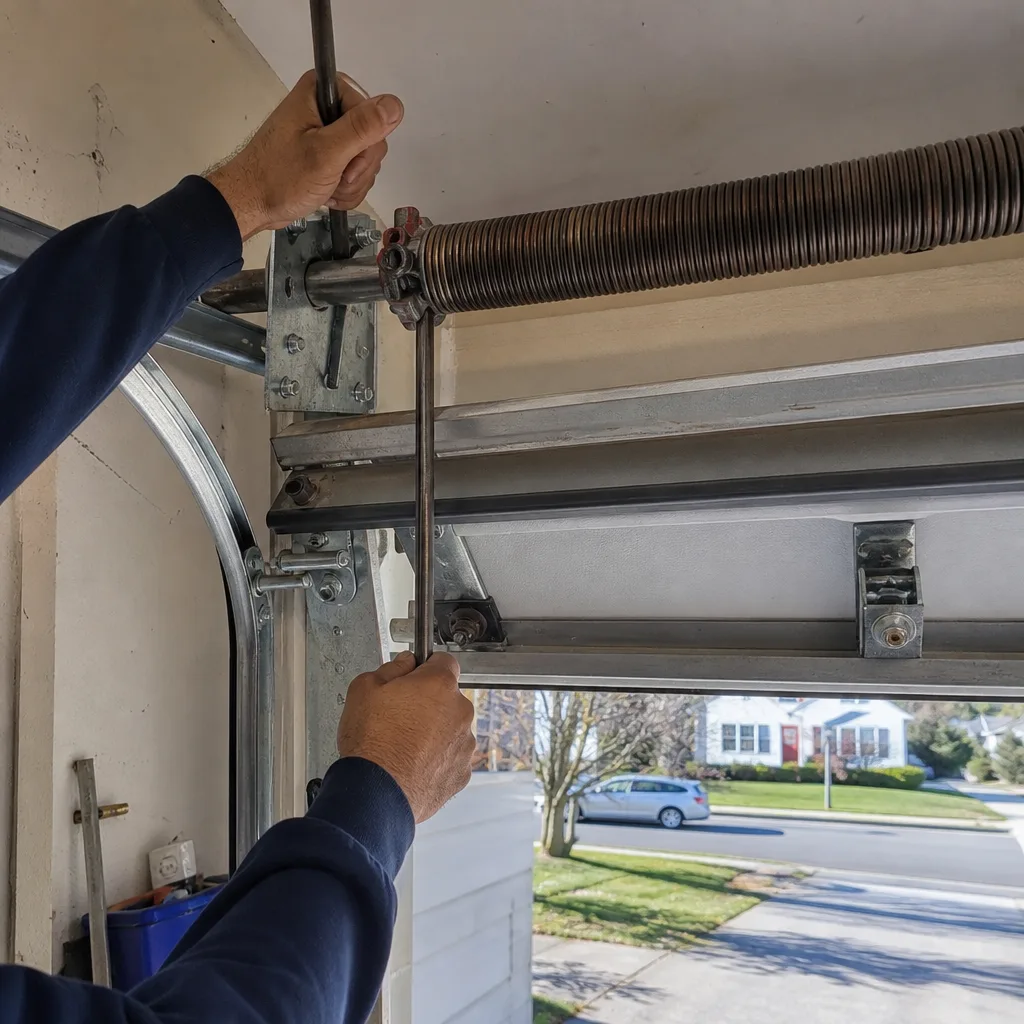
Last updated November 23, 2026
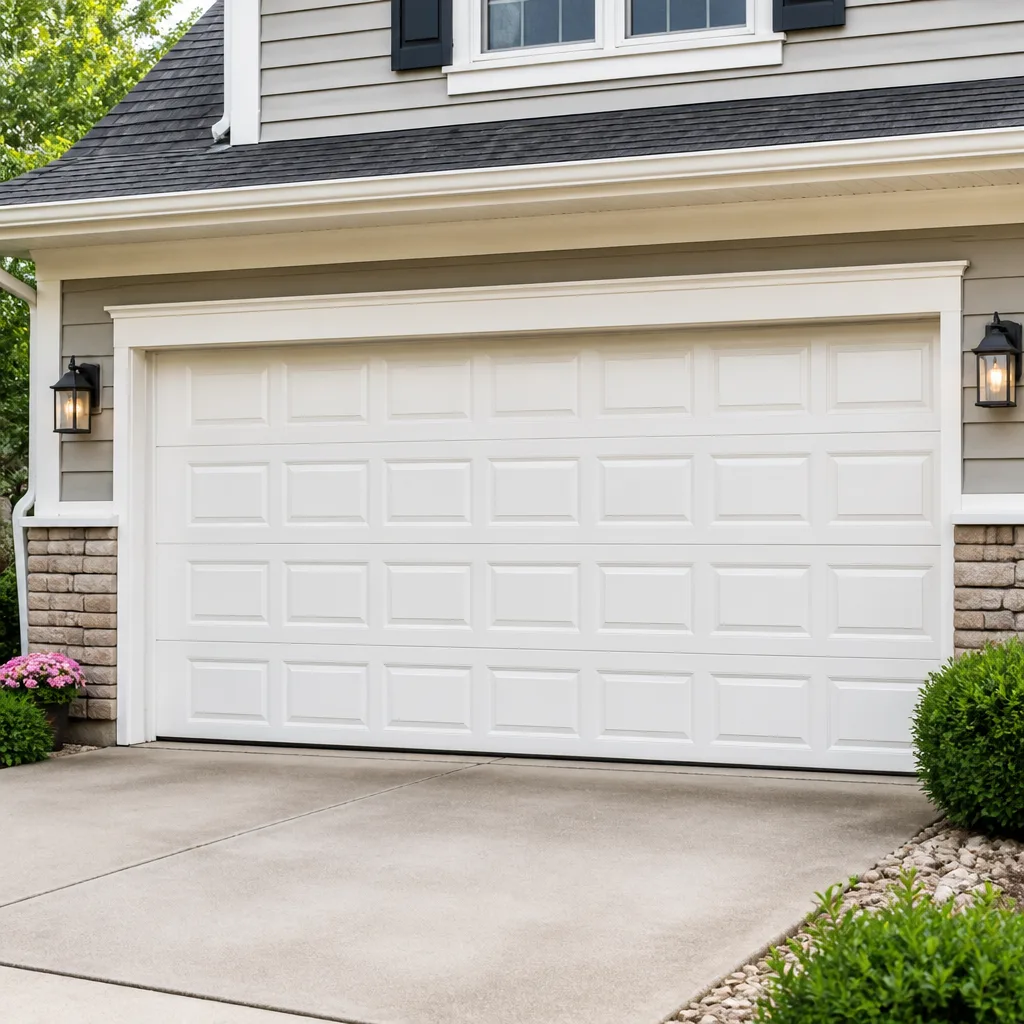 Raised-panel steel
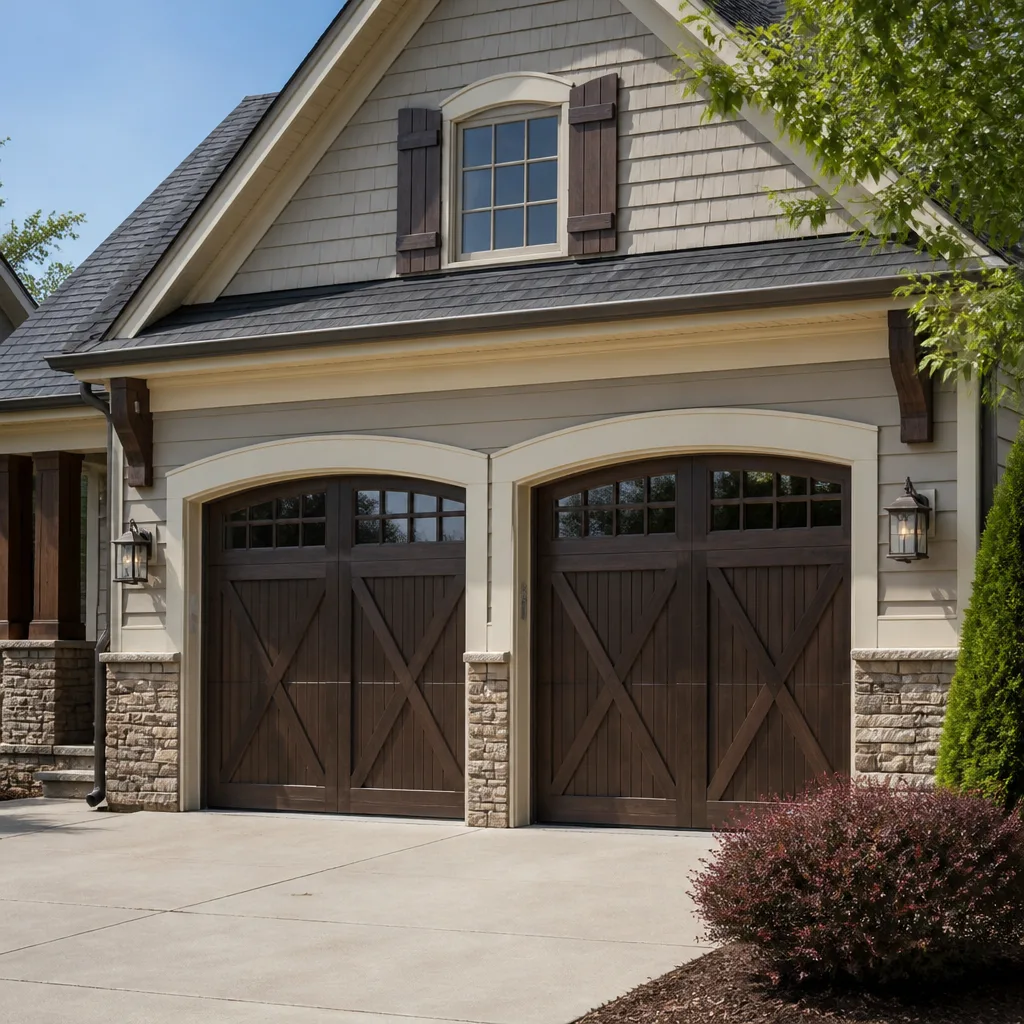 Carriage house
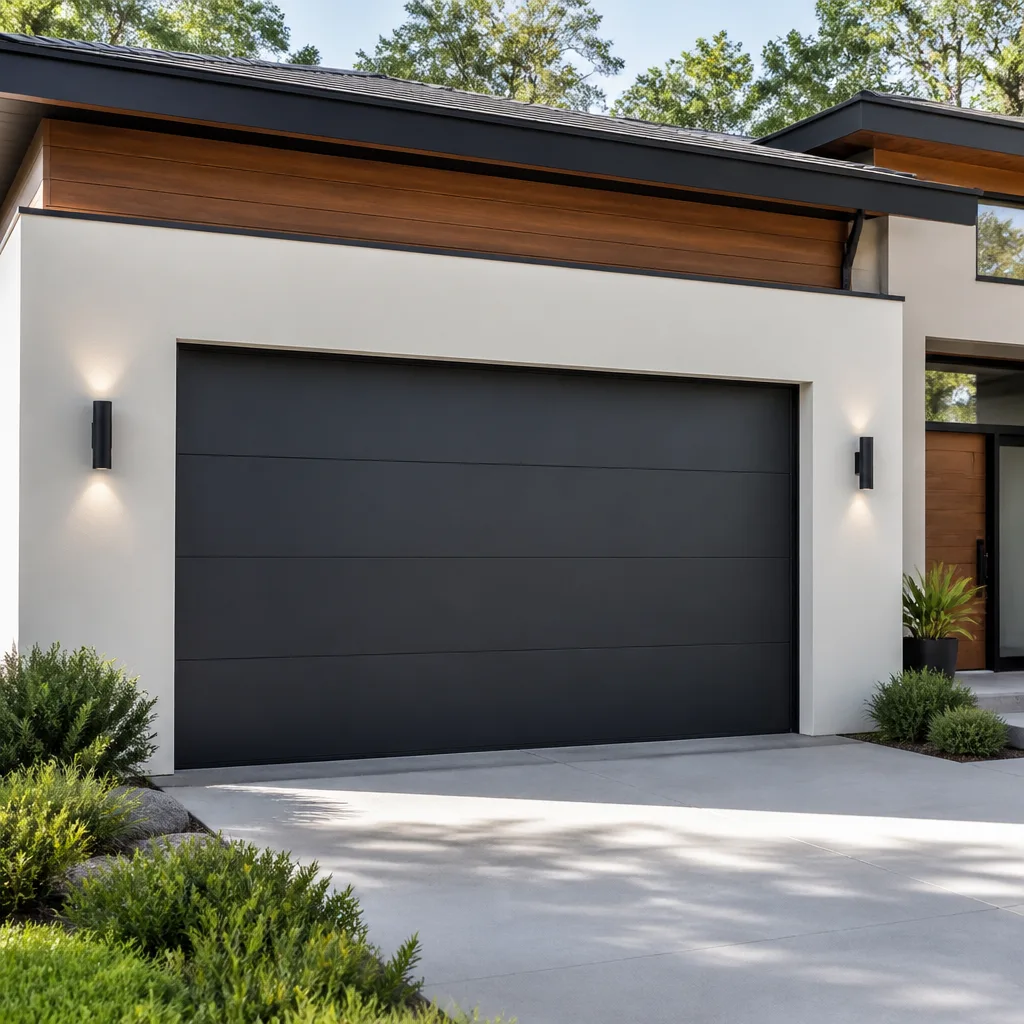 Modern flush
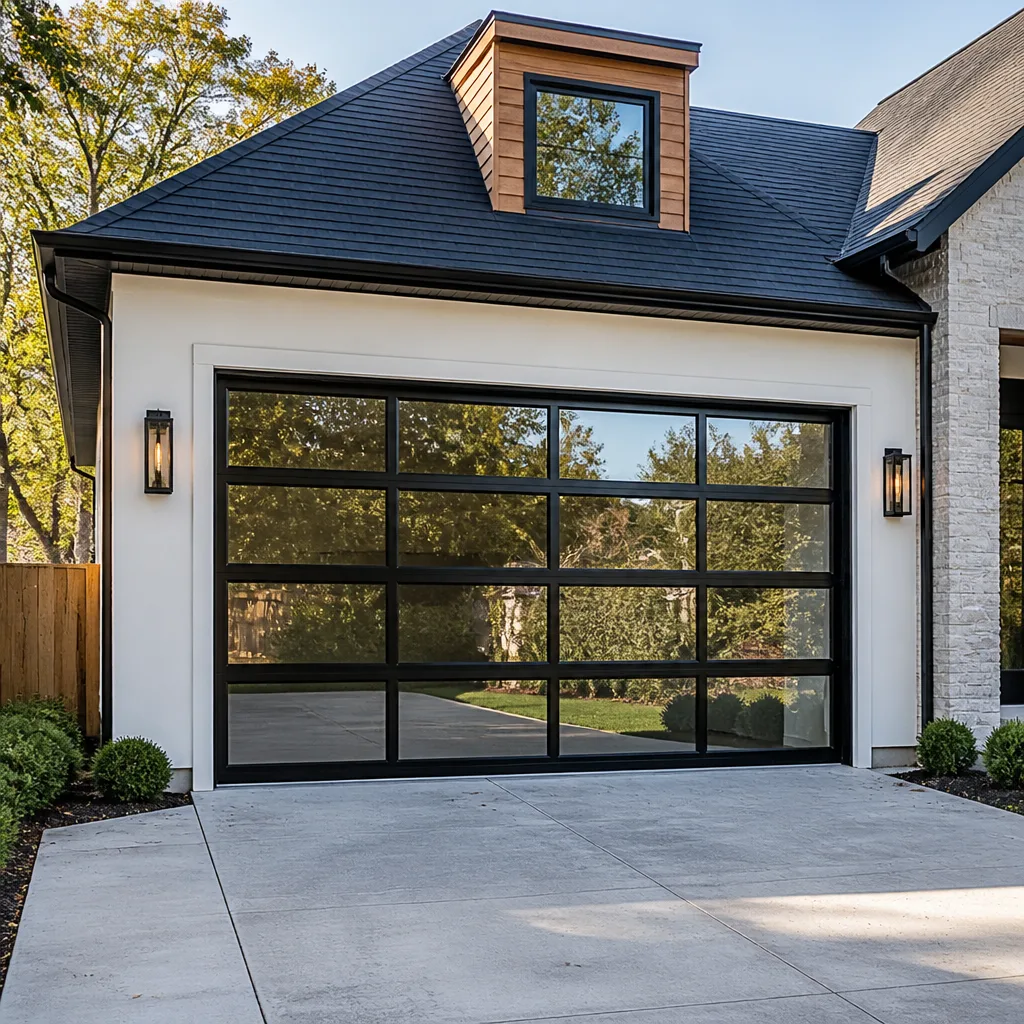 Full-view glass
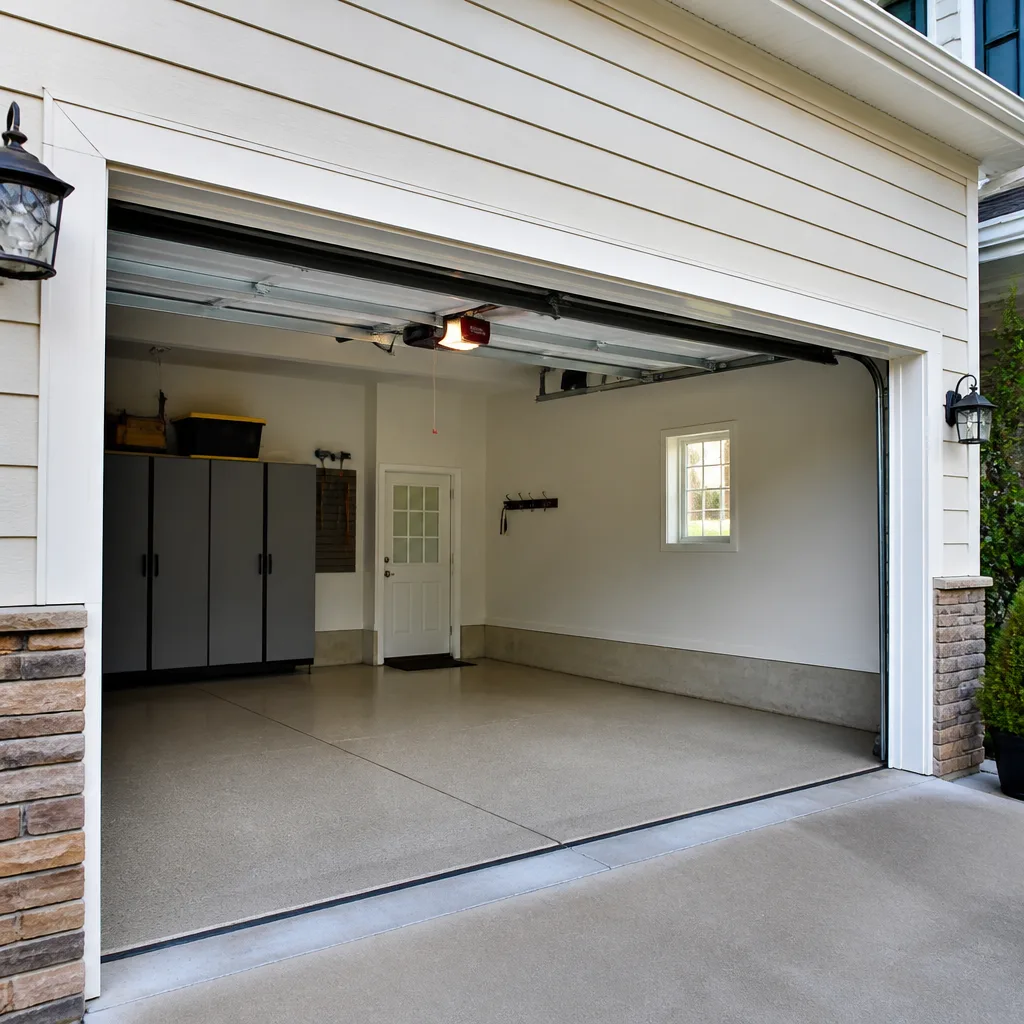 LiftMaster openers
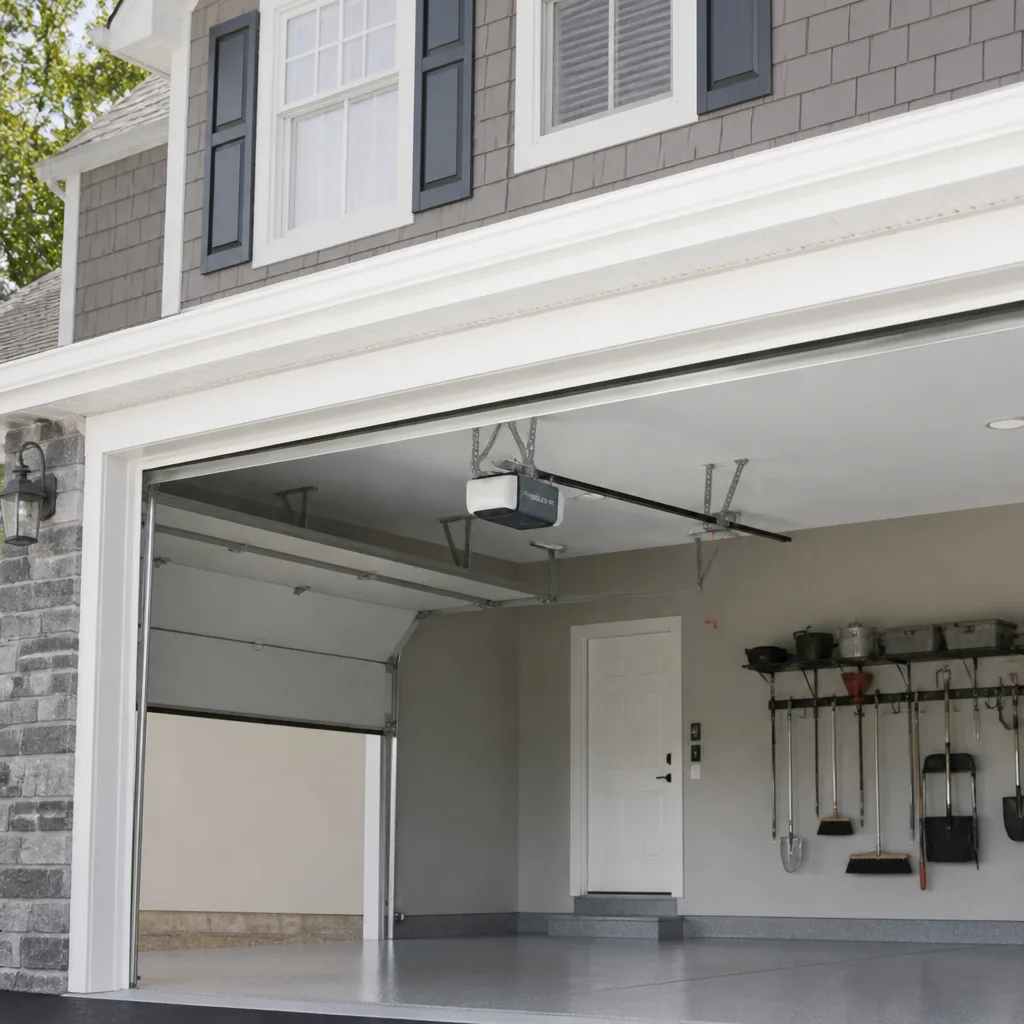 Chamberlain openers
Full 25-point door and opener safety check with every visit - springs, cables, rollers, tracks, and your LiftMaster or Chamberlain opener included
You get a price before we start. It does not change when the pro arrives.
Get your free estimateSeasonal Garage Door Care for Roseville: Year-Round Homeowner’s Guide
Most homeowners assume spring is the risky season for a garage door. In Roseville, the opposite is true. Late fall is when a garage door is most likely to fail – typically on the first genuinely cold night of the year, when a spring that’s been quietly weakening through the summer finally gives out. The pattern repeats every year: a door that worked fine all September stops working in November. The difference is that fall is when accumulated summer wear meets its first real test. This guide walks you through what each Roseville season does to your door and opener, and what to check before the weather changes so you’re maintaining a system instead of reacting to a breakdown.
Quick Answer
In Roseville, garage doors need four seasonal checkpoints: a pre-winter lubrication and spring-tension check in late fall, a post-winter audit of seals and hardware in early spring, a heat and humidity inspection in summer, and a full tune-up in October before the first cold snap. The single highest-return task is inspecting weatherstripping at the bottom seal and sides, because a worn seal lets in cold air, moisture, and pests all year.
Styles & brands we work with
- Raised-panel steel
- Carriage house
- Modern flush
- Full-view glass
- LiftMaster openers
- Chamberlain openers
Table of Contents
- Why Roseville’s Four Seasons Are Hard on Garage Doors
- The Fall Window: Why October Is the Highest-ROI Month
- Winter Prep: What Cold Does to Springs, Lubricant, and Seals
- The Post-Winter Audit: Three Components Homeowners Miss
- Summer Heat, Steel Expansion, and Opener Drift
- Weatherstripping: The One Task That Prevents the Most Loss
- The Full Seasonal Checklist
- When to Call a Professional
Why Roseville’s Four Seasons Are Hard on Garage Doors
A garage door is a mechanical system made of metal, rubber, plastic, and hundreds of moving parts. Every one of those materials responds to temperature differently, and Roseville gives them a wide range to respond to. A door that sits in a mild, stable climate might see twenty degrees of annual swing. A Roseville door sees a full seasonal range, and the parts that wear fastest are the parts that expand, contract, and flex most under those cycles.
Springs are the clearest example. A torsion spring holds tension across the entire door, every day, whether the door opens or not. When the temperature drops, the steel contracts and the tension changes slightly – not enough to break a healthy spring, but enough to finish off one that’s been losing strength for months. Cables do something similar, and so do the hinges and rollers that ride along the track. The track itself expands and contracts with the steel door panels, which is part of why doors that feel smooth in June can feel stiff or uneven in January.
Homeowners in neighborhoods like parts of Roseville proper, along Washington Avenue, and in the residential areas near Macomb Mall typically face the same pattern: a door installed years ago, kept mostly on a visual inspection, and finally pushed over the edge by a seasonal change. It isn’t the weather alone that breaks a door. It’s the weather meeting a system that hasn’t been checked in a while.
The good news is that garage doors fail predictably. The failure points line up with the seasons, which means you can get ahead of them. That’s the whole idea of a seasonal care routine – not to do a dozen tasks at once, but to do the right two or three tasks at the right time of year so nothing gets surprised by the temperature.
The Fall Window: Why October Is the Highest-ROI Month
If you do one garage door service per year in Roseville, do it in October. The reasoning is simple: October is the last comfortable window before the cold arrives, and it’s the first moment when you can reasonably assess what summer did to the door. A tune-up in October catches the wear from the hot season while there’s still time to correct it, and it pre-loads the system before its hardest stretch of the year.
Here’s what a proper fall check should cover:
- Spring tension and condition. Look for gaps, uneven coils, or a door that doesn’t feel balanced when you lift it by hand. A torsion spring that’s lost tension needs to be replaced by a professional – never adjusted or repaired yourself.
- Lubrication of moving parts. Rollers, hinges, and the torsion bar benefit from a proper garage door lubricant before the temperature drops. This isn’t the moment for a generic household oil; the wrong lubricant gets gummy in the cold.
- Bottom seal and side weatherstripping. Cold air finds every gap. A flexible seal in October stays flexible in December; a stiff, cracked one doesn’t.
- Opener safety reversal test. Place a small object under the door and watch the open or close cycle to confirm it reverses as designed. If it doesn’t, stop using the door and get it checked.
- Track alignment and hardware tightness. Loose brackets and shifted tracks become louder and more dangerous in cold weather.
If your door has a LiftMaster or Chamberlain opener, the fall check is also the right time to confirm the force settings and travel limits still match the door’s behavior. Openers drift over the course of a season, and the drift becomes obvious when the cold makes the door stiffer. A garage door system tuned in October tends to run through the winter without drama, while a system left alone tends to announce itself at the worst possible moment.
The center of gravity for this in Roseville is around late September through the end of October. If you’re not sure what state your system is in, scheduling a garage door repair inspection in that window gives you a real answer instead of a guess.
Winter Prep: What Cold Does to Springs, Lubricant, and Seals
Cold weather doesn’t just make a garage door uncomfortable to open. It changes the mechanics. Understanding the three main effects – on spring tension, on lubricant viscosity, and on bottom seal flexibility – gives you a clear picture of what to watch for once the temperature drops.
Spring tension in the cold
A torsion spring is calibrated to hold a specific door weight at a specific balance point. When the steel contracts in cold weather, that balance point shifts. A healthy spring absorbs the change. A spring that has been slowly weakening since summer – which is the common case – may not. This is why late fall and early winter are the peak season for spring failures, and it’s why the phrase “it worked fine last week” is the most common story we hear from Roseville homeowners dealing with a broken spring. It isn’t random. It’s the change in temperature finishing a job that began months earlier.
Lubricant viscosity
Not all lubricants behave the same way when it’s cold. A lubricant that’s runny and effective in July can thicken in January, which drags on rollers and hinges and makes the door work harder even when nothing is technically broken. A proper garage door lubricant stays effective across the temperature range, which is why we use a product designed for the door rather than a generic oil. This is one of the cheapest things you can do to keep the door smooth through the winter.
Bottom seal flexibility
The bottom seal is a rubber or vinyl strip that presses against the floor to create the door’s closure. In warm weather, it’s flexible enough to follow small irregularities in the floor. In cold weather, a worn or aged seal stiffens and either loses contact with the floor or cracks. The result is a cold draft, moisture intrusion, and an open invitation to the mice and other pests that move indoors in winter. A seal that fails in January was almost certainly already worn in October. Checking it before the cold arrives saves a much more annoying discovery later.
Opener behavior also shifts in the winter. Force settings that worked at room temperature can be borderline when the door is stiff and cold, and a borderline setting becomes a door that won’t close all the way. If your Genie or LiftMaster opener needs adjustments to compensate, it’s worth having the door system checked rather than just increasing the force. Raising the force to overcome a bad spring is a short-term fix that wears out the opener faster.
The Post-Winter Audit: Three Components Homeowners Miss
Spring arrives and the door still opens, so most homeowners assume winter did no damage. In practice, the freeze-thaw cycle is the season’s sneaky phase. Three components in particular tend to be quietly damaged by a Roseville winter – and each of them can fail a door that seems perfectly fine.
1. The bottom seal and its retainer
Freeze-thaw cycles are tough on the bottom seal and the metal retainer that holds it. Water gets into small cracks, freezes, expands, and opens them wider. By the time the door is being used more regularly in the spring, the seal may have lost contact with the floor in places you can’t see from standing height. A quick way to check: close the door and look under it with a light. If you can see daylight at any point along the bottom, that’s a gap. A coin or a piece of paper slipped under the door tells you the same thing – if it slides freely, the seal isn’t sealing.
2. Hinges, rollers, and track alignment
Cold weather stiffens the movement of every roller and hinge on the door. Combined with the expansion and contraction of the door panels, this can leave hardware loose or misaligned by the end of winter. A door that seems to open normally might be riding a slightly shifted track or a loose hinge, which accelerates wear and puts more strain on the opener. Loose hinges are visible from the ground, and small gaps between the roller stem and the hinge plate are a clue. Don’t try to force a stuck roller; if the door doesn’t move smoothly, stop and have it checked.
3. The opener’s travel limits and force settings
Winter changes what the opener has to overcome. If the door has stiffened or a spring has weakened, the opener compensates by working harder. By spring, the travel limits may be slightly off, which shows up as the door stopping an inch short or reversing on its own. Testing the reversal and watching the full open and close cycle takes a minute, and it catches drift before it becomes an issue. This is also the moment to check the battery in a wireless keypad or remote if the door has one.
If you’d rather have a professional look at the post-winter state – including the parts of the door most homeowners can’t safely access – the spring audit is a good reason to call. Cars can’t get out when the door won’t open, so a quick check in March or April beats finding out in July.
Summer Heat, Steel Expansion, and Opener Drift
Summer is the season homeowners least associate with garage door problems, and in a way they’re right: door failures are less frequent in summer. But summer does its own kind of damage, and two effects cause most of it.
Heat expansion in steel doors
Steel door panels expand in the heat. On a well-made door, that expansion is accommodated by the design – the panels move slightly, and the track allows for it. On an older or poorly adjusted door, the expansion shows up as a door that doesn’t close flush, panels that rub, or sections that sit unevenly. If your steel door, whether a Clopay or another brand, looks different in August than it does in April, that’s expansion. It’s usually mild, but it can be a sign that the tracks or hinges need adjustment, so it’s worth checking before the changing season makes it worse.
Opener sensitivity drift in high humidity
Humidity affects wood doors more than steel, but it also affects the friction of hinges, rollers, and the door’s balance. In a humid summer, a door might feel heavier and the opener might need more force to move it. Modern openers from LiftMaster, Chamberlain, Genie, and similar brands have safety systems that monitor force, and a door that suddenly needs more force can trigger a reversal that seems random. If your opener is reversing for no obvious reason in July or August, don’t adjust the force blindly – have the door’s balance and friction checked first. That’s a job for a door technician, not a homeowner with a screwdriver.
What summer is actually good for
Summer is the easiest season to inspect the door from the outside. Walk around the door with the sun behind you and look for dents, rust spots along the bottom panel, or paint failing at the seams. These are early signs that a more serious problem is developing, and warm, dry weather is the right time to address them. It’s also the season when most people replace a door rather than repair it – if you’re planning a new door for the fall, summer is the season to get the measurements and options sorted out. You can see our garage door installation page for the process.
Weatherstripping: The One Task That Prevents the Most Loss
Of all the seasonal tasks in this guide, weatherstripping is the one that pays back the most per minute spent. It’s the seal that keeps outside air, moisture, and pests out of your garage, and it’s the part most likely to degrade without anyone noticing. A worn bottom seal or side seal doesn’t announce itself the way a broken spring does. It just quietly lets cold air in through the winter and lets warm, humid air in through the summer, both of which affect the temperature of the rooms above and next to the garage.
Here’s how to check your weatherstripping properly:
- Close the door completely. Look along the bottom edge with a flashlight from inside the garage. Daylight means a gap.
- Run a piece of paper along the bottom seal. If it slides out easily in more than one spot, the seal has lost contact.
- Check the side and top seals. These are the strips along the door frame. Look for cracks, brittleness, or sections that have pulled away from the frame.
- Feel for drafts. On a cold day, run your hand along the door edges from inside. Any moving air is a leak.
- Inspect the retainer. The metal channel that holds the bottom seal can rust or bend. If it’s damaged, the seal won’t sit right even if it’s new.
Replacing weatherstripping is one of the easier door tasks, and the parts are inexpensive compared with the cost of heating and cooling a garage that doesn’t seal. The one caution is the bottom seal specifically: some designs require the door to be slightly raised, and a raised door with a broken spring is genuinely dangerous. If your spring is suspect, don’t try to work under the door. Have it serviced first.
Pest entry is the other side of weatherstripping that gets overlooked. Mice and other small animals move toward garages in the fall, and a gap at the bottom seal or the corners is the usual entry path. Sealing it up is a maintenance task that prevents a much larger problem later.
The Full Seasonal Checklist
Here’s the year in one place. Use this as a reference rather than a rigid schedule – the right timing depends on your door and how much it’s used – but the seasons line up closely with the actual failure risks in Roseville.
Fall (October – the highest priority)
- Lubricate rollers, hinges, and the torsion bar with garage door lubricant
- Check spring condition and door balance; replace worn springs before winter
- Inspect and replace bottom and side weatherstripping
- Test the opener’s safety reversal
- Tighten loose hardware and check track alignment
Winter (ongoing)
- Watch for a door that feels stiffer or slower than usual
- Keep the bottom seal clear of ice and debris
- Avoid forcing a door that won’t close; call for help instead
- Listen for new noises – grinding, popping, or uneven movement
Spring (post-winter audit)
- Check the bottom seal for freeze-thaw damage
- Inspect hinges and rollers for looseness or misalignment
- Test opener travel limits and force settings
- Look for rust on the bottom panel and along seams
Summer (early inspection, pre-install planning)
- Check the exterior for dents, rust, and paint wear
- Watch for the opener reversing unexpectedly in humid weather
- Lubricate moving parts again if the door feels tight
- If planning a replacement, get measurements and options sorted
If you want a single professional visit to cover the whole checklist, the best timing in Roseville is late September into October. That’s when the conditions are right for the door to keep running through the winter without a surprise. Our Roseville Garage Door Repair Pros team works on the full range of door and opener brands, which means the technician already knows your specific system before arriving.
Common Mistakes to Avoid
- Waiting until the door fails to think about it. Garage doors don’t fail on a schedule that matches your schedule. The failure almost always happens on a cold morning or at the end of a long day, and the repair cost is the same whether it was preventable or not. Seasonal checks are cheaper than emergency calls.
- Adjusting the opener force to fix a stiff door. Raising the force setting to compensate for a weak spring or a misaligned track wears out the opener faster and can defeat the safety reversal. Find the actual cause before you change the setting.
- Skipping the bottom seal. The bottom seal is the cheapest part on the door and the one most likely to fail without warning. Homeowners tend to notice the spring and ignore the seal, which is why the seal is the source of most winter drafts in Roseville homes.
- Using the wrong lubricant. Household oil and especially WD-40 are not garage door lubricants. They can attract dust and stiffen in the cold. Use a product made for garage door hardware, and apply it to the hinges, rollers, and torsion bar – not the tracks.
- Working on springs or cables yourself. Torsion springs are under enough tension to cause serious injury, and the same is true of the cables. There’s no safe homeowner version of a spring repair. Leave springs and cables to a trained technician.
- Ignoring a door that reverses on its own. A door that reverses without an obstruction is telling you something is wrong with the safety system or the door balance. It’s easy to dismiss as a sensor glitch, but it’s a sign the system is no longer behaving predictably.
- Letting a summer problem become a winter failure. The pattern that produces most late-fall spring failures starts in the summer, when the wear accumulates quietly. A check in the fall catches it. Waiting until the temperature drops catches it too late.
When to Call a Professional
Some task on this list is a reasonable do-it-yourself job for a careful homeowner: lubricating moving parts, checking the weatherstripping, and testing the opener’s reversal. The moment the conversation involves a spring, a cable, a door off its tracks, or a door that won’t open or close at all, it’s a professional call. Springs and cables are under tension that can cause serious injury, and a door that has come off its tracks can fall. Those aren’t jobs to practice on. If your door has stopped working and you need it back up quickly, that’s what our same-day garage door repair service is for – a stuck door blocking a vehicle is a time-sensitive situation, not one to schedule for next month.
Roseville Garage Door Repair Pros offers free estimates in Roseville – call (844) 443-4585. We work on every major brand, including LiftMaster, Chamberlain, Genie, and Clopay, so the technician arrives already familiar with your system. Price is quoted and agreed before any work starts, so there’s no surprise on the invoice. Our technicians have up to 9 years of experience.
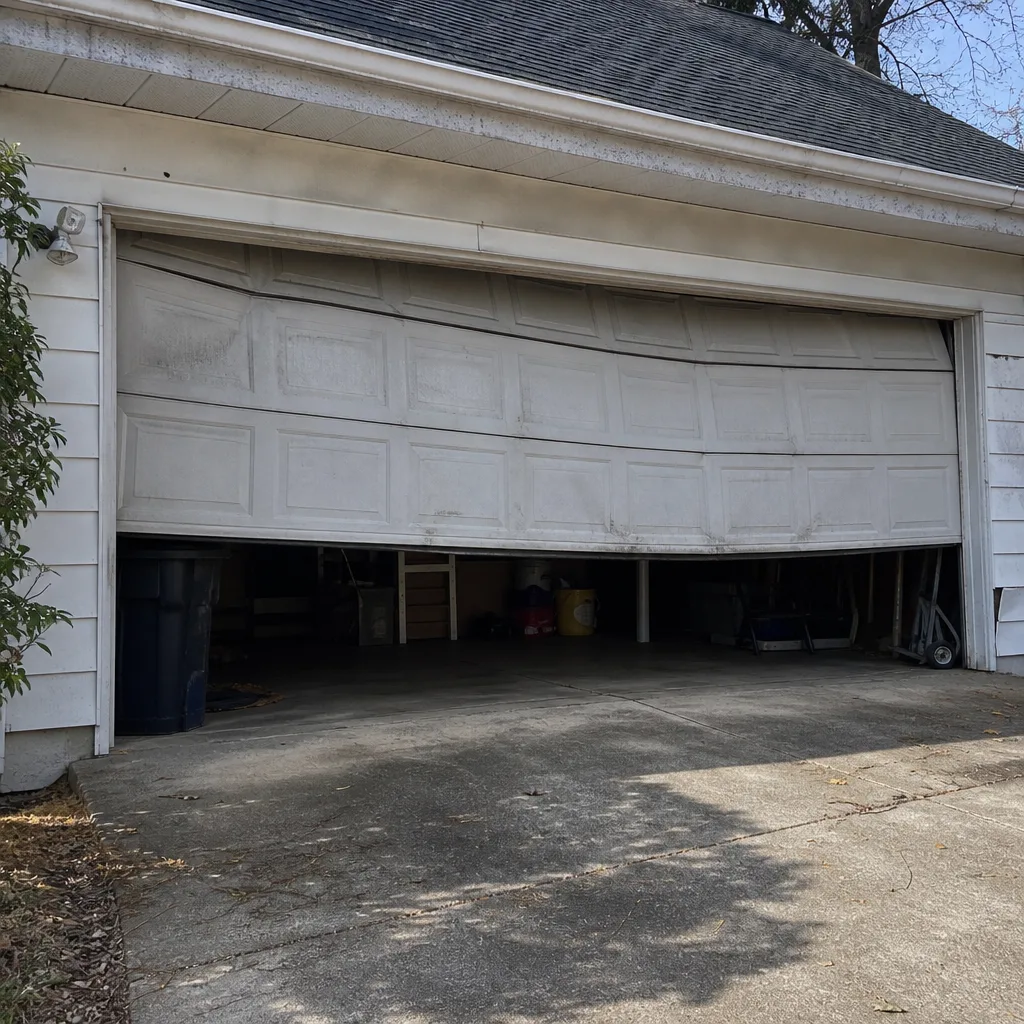
See the difference
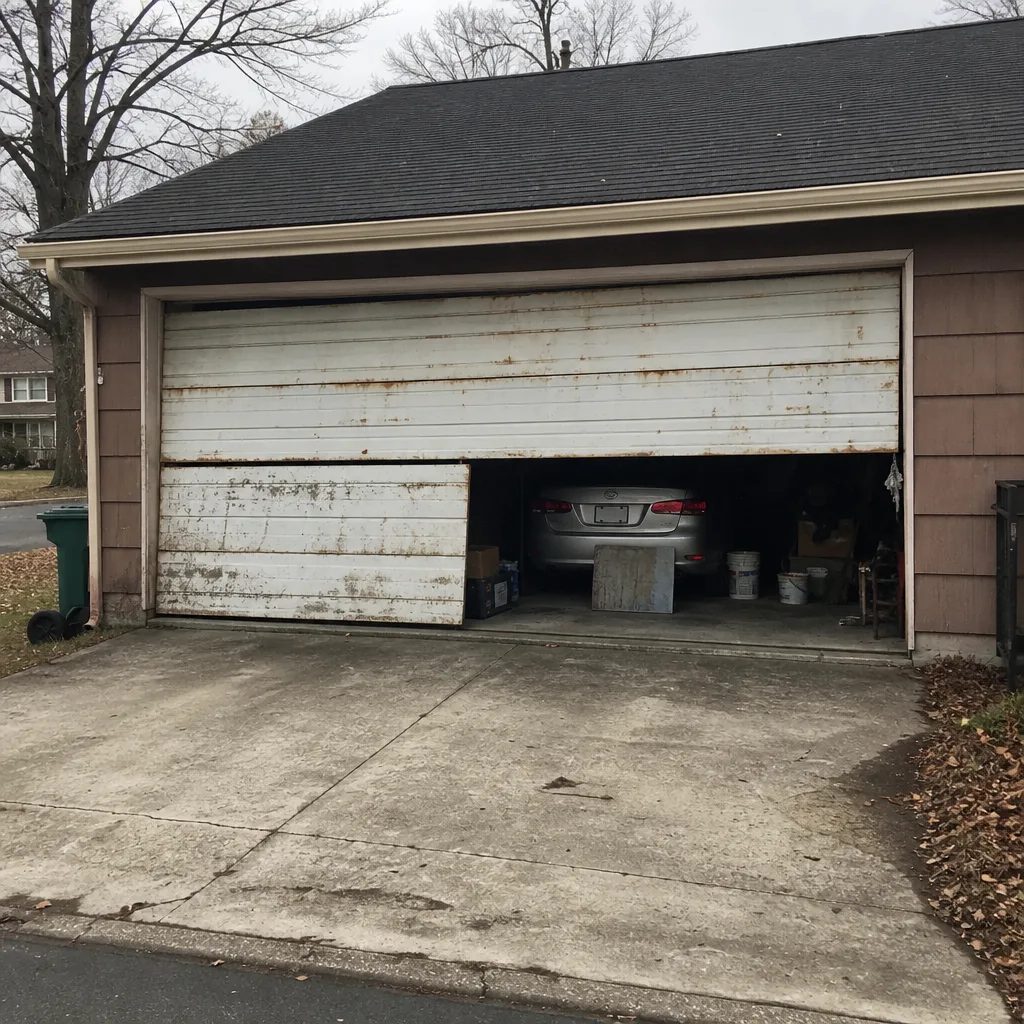 Before
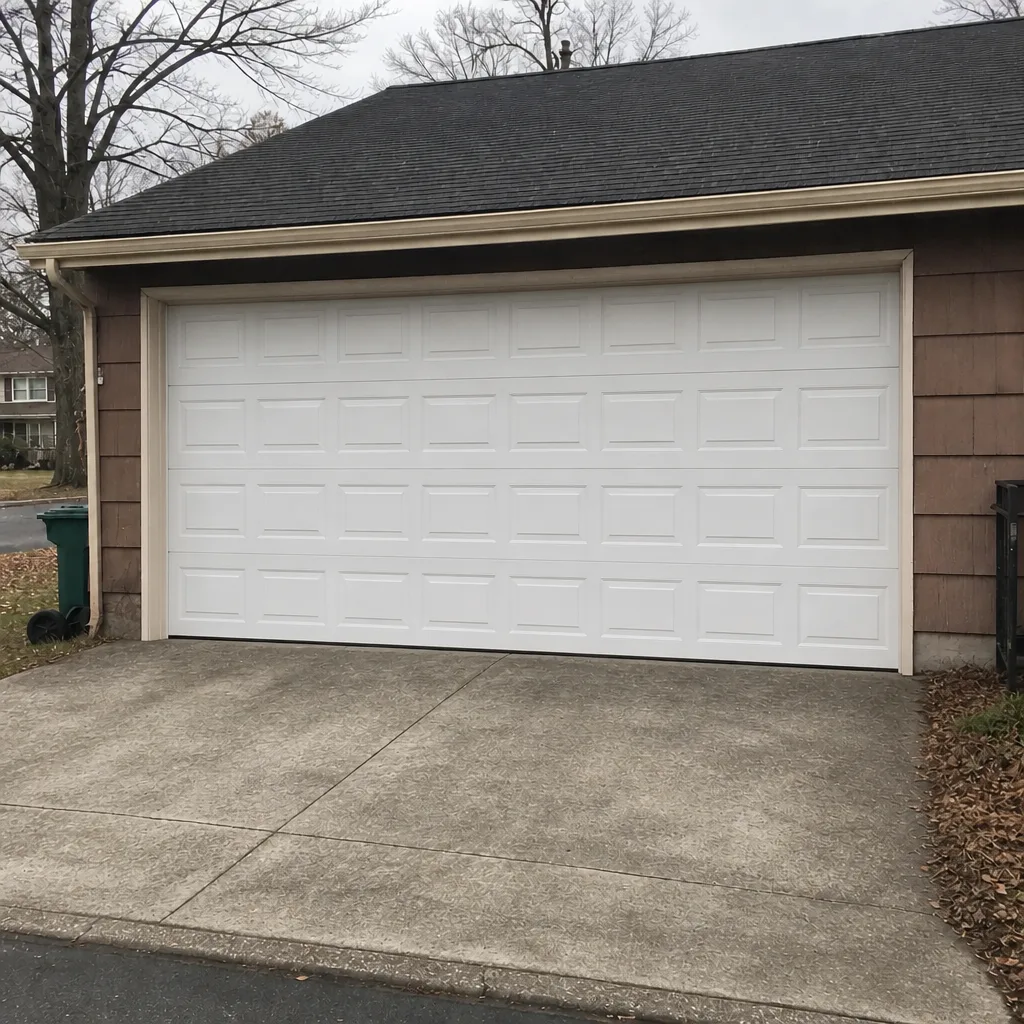 After
 Before
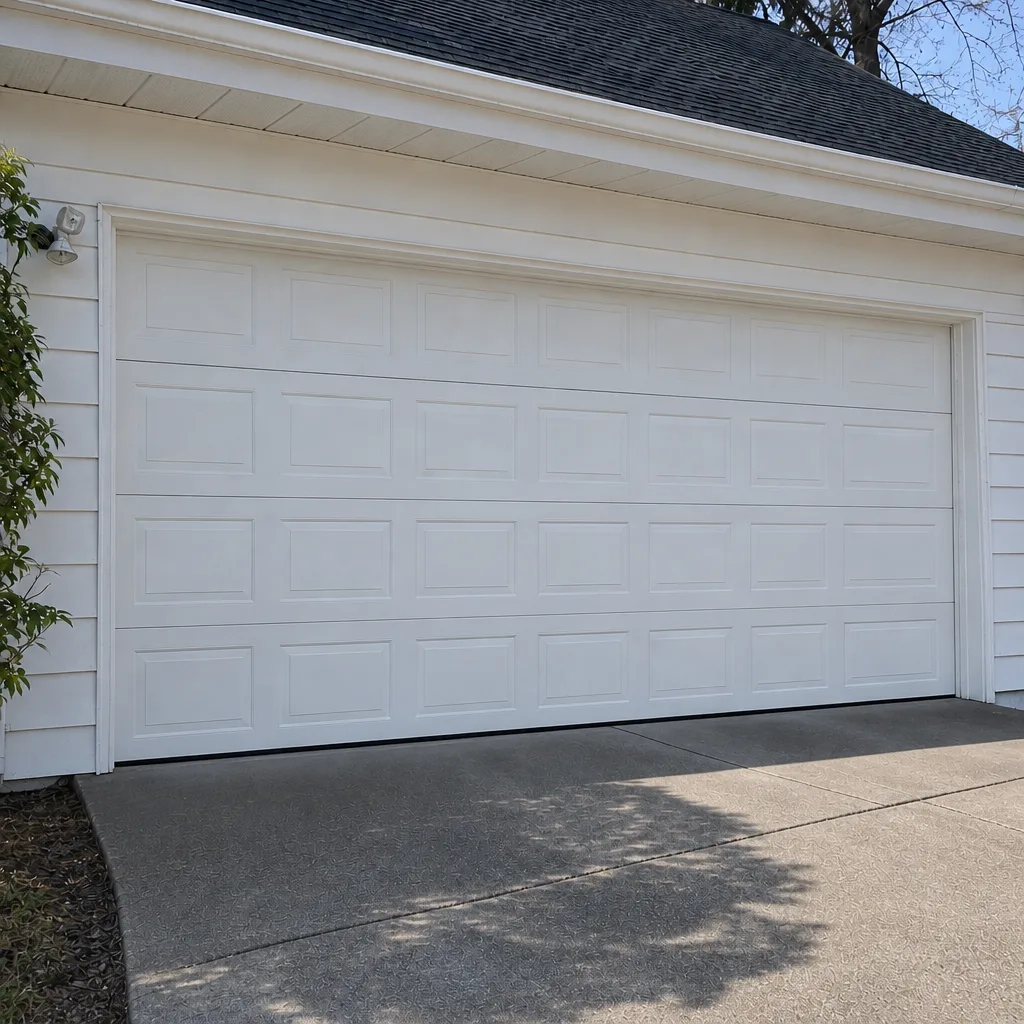 After
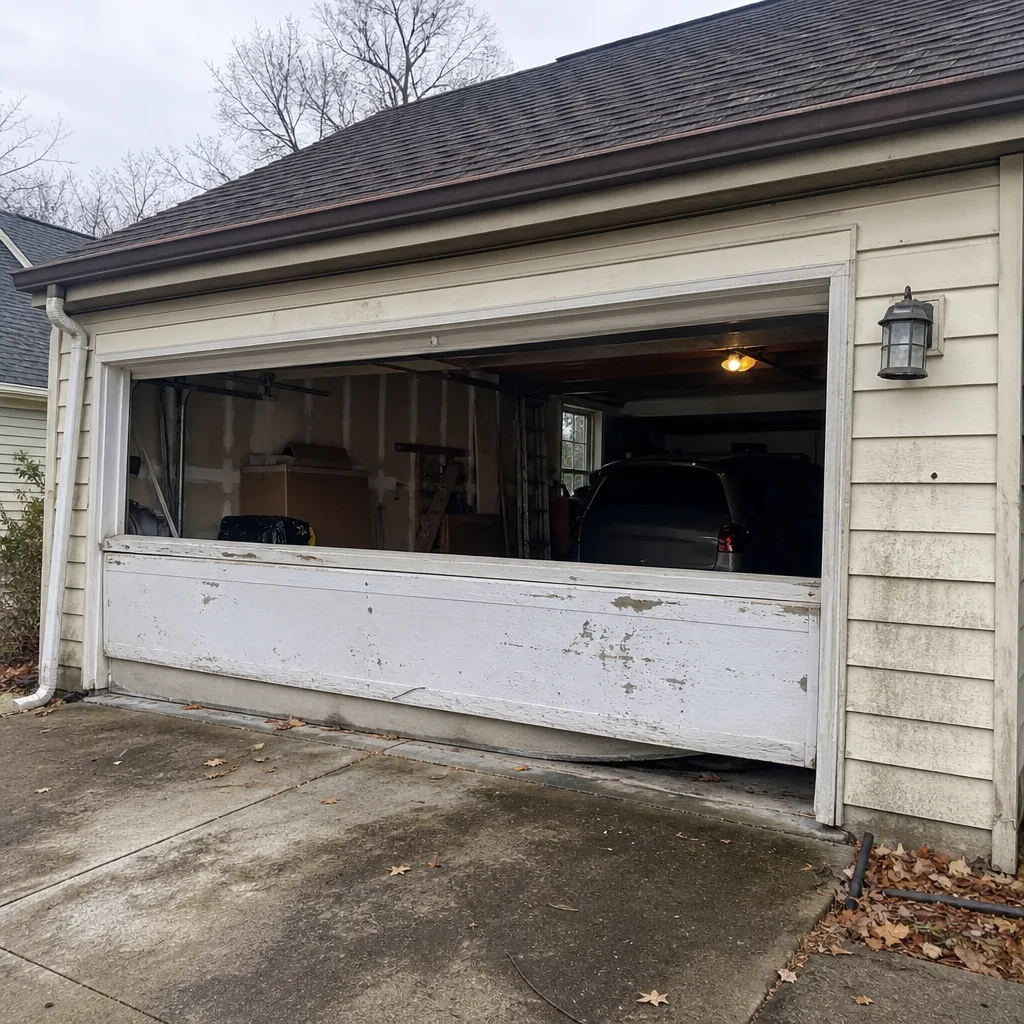 Before
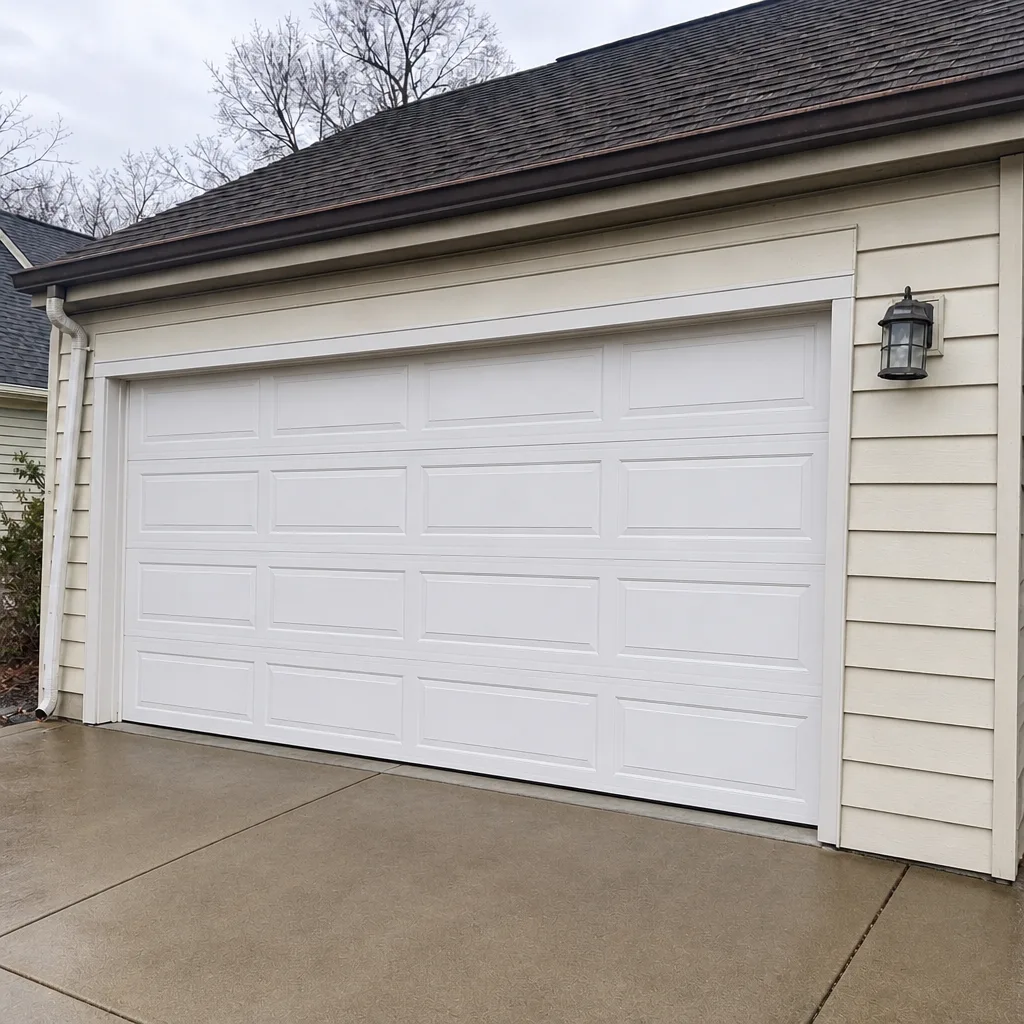 After
Frequently Asked Questions
October is the best month, because it’s the last comfortable window before the cold arrives and the first point when summer wear is visible. A fall tune-up catches spring tension loss, worn weatherstripping, and opener drift before winter tests the system. If you can only do one service per year in Roseville, do it in October. Call (844) 443-4585 to schedule a free estimate.
Springs break in cold weather because the drop in temperature changes the tension on a spring that’s already been weakening through the summer. The steel contracts, the balance point shifts, and a spring that was at the edge of its range gives out. It’s the combination of accumulated wear and the first real cold snap. A fall inspection catches a weakened spring before it fails. If a spring has already broken, it needs a professional – call (844) 443-4585 for an emergency repair.
Close the door and look for daylight along the bottom edge, or run a piece of paper along the seal – if it slides out easily, the seal has lost contact. Cracked or brittle side seals and drafts you can feel by hand are the other signs. Replacing worn weatherstripping before winter prevents drafts, moisture, and pest entry. If you’d rather have it checked during a service visit, call (844) 443-4585 for a free estimate.
Heat causes steel door panels to expand, which can show up as a door that doesn’t close flush, panels that rub, or sections that sit unevenly. In high humidity, the opener may need more force to move the door, which shows up as unexpected reversals. Neither problem is usually serious, but both are worth checking before the season changes. A professional can check the balance and alignment in one visit.
Yes for lubricating rollers and hinges, checking weatherstripping, and testing the opener’s safety reversal. No for springs, cables, doors off their tracks, or anything involving the torsion system – those require a trained technician because of the tension involved. The split is straightforward: if it involves a spring or a cable, call a professional. Roseville Garage Door Repair Pros can handle the parts of the checklist that aren’t safe for a homeowner.
Don’t force it. A door that won’t open or close could have a broken spring, a snapped cable, or a door off its tracks, and forcing it can make the damage worse or cause injury. Leave the door as it is and call for emergency service. Emergency garage door repair is a core part of what we do at Roseville Garage Door Repair Pros. Call (844) 443-4585 and we’ll get you scheduled quickly.
The Bottom Line
Garage doors in Roseville fail on a seasonal cycle that’s predictable if you know what to look for. Late fall is the highest-risk window, because summer wear meets its first cold snap; October is the highest-return month to get the system checked. Winter demands attention to spring tension, lubricant viscosity, and bottom seal flexibility. Spring is the post-winter audit for seals, hardware, and opener settings. Summer is the season for exterior inspection and opener drift. Weatherstripping is the single task that prevents the most energy loss and pest entry, and it’s the easiest to check. If you handle the checks you can safely do yourself and call a technician for anything involving a spring or cable, the door will run through the year without the surprise visit that happens at the worst possible time. Our technicians have up to 9 years of experience, and we’re ready when you need us.
Contact
Ready to get ahead of the season? Call Roseville Garage Door Repair Pros at (844) 443-4585 for a free estimate. We handle garage door opener repair, spring repair, and seasonal tune-ups on every major brand, and every price is quoted before the work starts. If your door is stuck or damaged and can’t wait, emergency service is available – one call covers the door and the opener, so you won’t need a second company.
Written by the team at Roseville Garage Door Repair Pros.